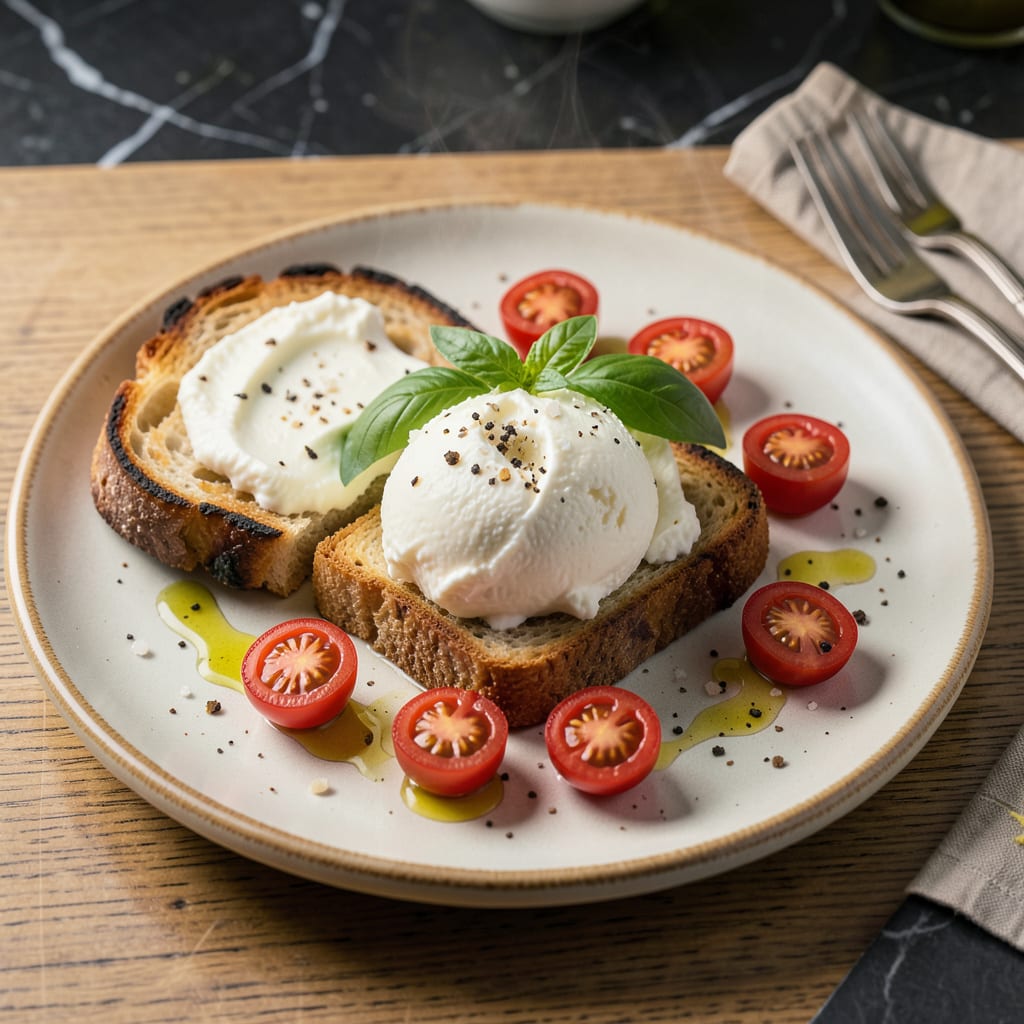
Ricotta doesn’t melt like traditional cheeses because of its high moisture content and low fat structure. Instead, it softens and becomes creamier when heated, making it ideal for dishes like lasagna or stuffed shells.
I’ve worked with ricotta in countless dishes, and what fascinates me is how its whey-based production creates a completely different behavior than cheeses like cheddar or mozzarella. 🔥 The loose protein network in ricotta can’t form the smooth, stretchy melt you’d expect—it’s more about transforming into a luscious, spreadable consistency. This makes it perfect for layering in baked pasta or folding into fillings where you want richness without a gooey texture.
What’s brilliant about ricotta is how it holds its shape under heat while still contributing creaminess. ✨ I often use it in dishes where I need body and moisture—think stuffed shells or even savory tarts—because it won’t disappear into a puddle like melted cheese. The key is embracing its unique properties rather than fighting them.
💡 In This Article
- Why Ricotta Cheese Doesn’t Melt Like Other Cheeses
- Best Ways to Cook with Ricotta Without Melting Issues
Why Ricotta Cheese Doesn’t Melt Like Other Cheeses
Ricotta’s unique behavior starts with how it’s made. Unlike cheeses formed from curdled milk, ricotta is created by reheating whey—the liquid left after making other cheeses. This process gives it a delicate protein structure with about 70-80% moisture content, far higher than cheddar (37%) or mozzarella (50%).
The proteins in ricotta are loosely bound, so when heated, they simply soften rather than forming the elastic network needed for true melting.
The fat content also plays a crucial role. Ricotta typically contains just 8-10% fat, compared to 20-30% in melting cheeses like provolone. Fat acts as a lubricant during melting, allowing proteins to slide past each other smoothly. Without enough fat, ricotta’s proteins can’t achieve that signature stretchy flow.
Instead, you’ll notice it becomes creamier and more spreadable, almost like a thick sauce, when warmed to 160-180°F—the ideal temperature range for most ricotta dishes.
What’s fascinating is how ricotta’s texture changes under heat. The whey proteins begin to unfold (denature) at around 140°F, releasing trapped moisture that creates that luxurious creaminess. 🔥 Unlike mozzarella that forms long protein strands when melted, ricotta’s proteins remain in small clusters.
This is why it works so beautifully in lasagna—it stays in place while contributing richness, rather than oozing away like melted cheese.
The acidity level (pH around 6.0-6.5) also prevents proper melting. Most melting cheeses have a higher pH (5.2-5.5), which helps their proteins bind during heating. Ricotta’s slightly more neutral pH keeps its structure loose.
I’ve found this makes it perfect for dishes where you want cheese flavor without the gooey texture—like in stuffed pasta or as a pizza topping alternative that won’t make your crust soggy.
Here’s a telling comparison: If you bake ricotta at 350°F for 20 minutes, it will firm up slightly but maintain its shape, while the same treatment would turn mozzarella into a bubbly, golden pool.
✨ This stability makes ricotta ideal for recipes where you need the cheese to hold its form, like in cannoli fillings or as a layer in vegetable terrines. The moisture actually becomes an advantage, keeping dishes luscious without requiring extra sauces.
One pro tip I’ve learned: When using ricotta in hot applications, draining it first in a cheesecloth for 30-60 minutes removes excess whey. This prevents your dish from becoming watery while allowing the ricotta to reach its optimal creamy texture.
The drained ricotta will still soften beautifully when heated, but with better structural integrity—perfect for those crisp-edged baked pasta dishes we all love.

Trained in classic French technique but raised on slow-cooked ribs and spicy rubs, she blends culinary skill with smoke and soul.
- Recipe for Boneless Pork Chops in Cast Iron Skillet: Sear and Baste to Juicy Perfection - October 3, 2026
- Recipe for Boneless Cross Rib Roast: Slow-Roasted Beef with Herb Crust - October 3, 2026
- Hamburgers in Sauce Recipe Crock Pot: Slow-Cooked Savory Delight - October 3, 2026