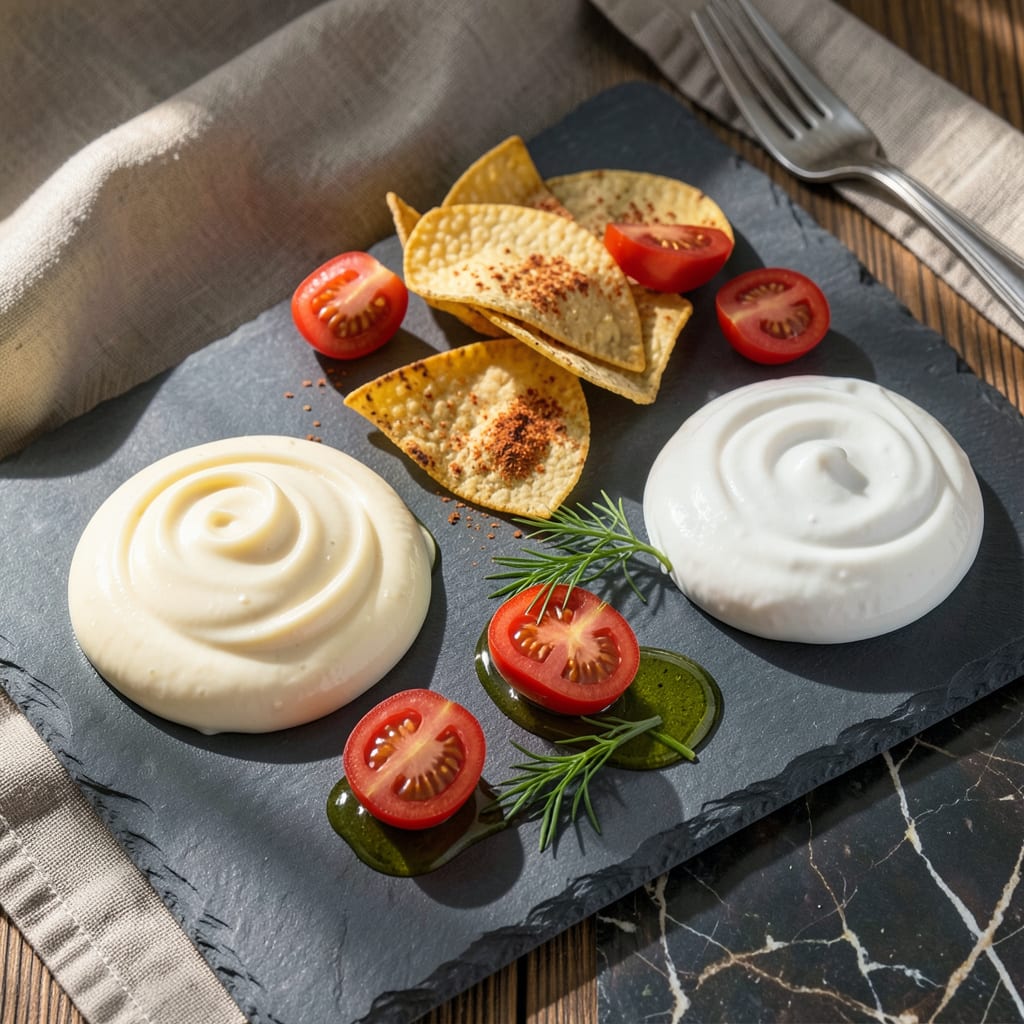
Light sour cream has a slightly tangier, less rich flavor than regular due to reduced fat content. The texture is thinner, and the mouthfeel is lighter, though the difference is subtle in most recipes.
As someone who’s worked with both versions in professional kitchens, I’ve noticed the flavor gap comes down to fat’s role as a flavor carrier. 🔥 Regular sour cream’s higher fat content (around 18-20%) coats your palate, softening the tang and adding a velvety finish. Light versions (10-12% fat) skip that luxury, so the natural sourness stands out more—think of it like the difference between whole milk and skim. The thinner texture also means it incorporates differently in recipes, which can actually be an advantage for certain sauces or dressings where you want less heaviness.
💡 In This Article
- How Fat Content Changes Light Sour Cream Flavor
- Best Uses for Light vs Regular Sour Cream in Cooking
How Fat Content Changes Light Sour Cream Flavor
Fat isn’t just about richness—it’s a flavor delivery system. In regular sour cream, the 18-20% fat acts like a velvet glove, carrying taste compounds and softening sharp edges. When manufacturers reduce fat to 10-12% for light versions, they’re removing this natural flavor buffer. The result?
The lactic acid’s tang hits your palate more directly, almost like comparing a rounded cabernet to a crisp pinot noir. The difference becomes obvious in side-by-side tastings where the light version reads as “brighter” while regular feels “rounded.” 🔥
The texture shift comes from fat’s physical properties. Fat globules create that signature creaminess by coating your mouth’s surfaces. With fewer globules in light versions, the product feels thinner—almost like the difference between heavy cream and half-and-half in your coffee.
Manufacturers often add stabilizers like carrageenan or guar gum (0.1-0.5% by weight) to mimic thickness, but these can’t replicate fat’s luxurious mouthfeel. In blind tests, most people notice the texture difference before identifying the flavor change. ✨
Here’s where it gets interesting: the protein-to-fat ratio changes dramatically. Regular sour cream has about 2.5g protein per 30g serving balanced by fat, while light versions may bump protein to 3g+ to compensate for removed fat. These proteins (casein and whey) contribute to that slightly chalky aftertaste some detect in light versions.
The higher protein concentration also makes light sour cream more prone to curdling when heated, which is why it’s riskier for cooked sauces. 💫
The fermentation process amplifies these differences. With less fat to interfere, lactic acid bacteria work more efficiently, often producing 5-10% more lactic acid in light versions. This explains why some brands of light sour cream taste noticeably sharper—it’s not just perception, but measurable acidity differences.
The pH typically drops from about 4.6 to 4.4, putting it closer to buttermilk on the tanginess scale. 🌟
Temperature matters more than you’d think. Regular sour cream’s fat stays stable when chilled, but light versions can separate more easily when temperature fluctuates. I’ve seen light sour cream weep liquid after just 30 minutes at room temperature, while regular holds its structure for hours.
This instability affects how it incorporates into batters and doughs, often requiring adjustments to liquid ratios in baking recipes. ⚡
For the most discerning palates, the difference shows in aroma too. Fat carries volatile compounds that contribute to that characteristic “creamy” smell. Light versions lose some of these aromatics, making them smell cleaner but less complex.
In professional tastings, chefs often describe regular sour cream as having a “buttery top note” that’s absent in light versions. This aromatic difference becomes particularly noticeable when the sour cream is used as a garnish rather than cooked into dishes. 💛
The good news? Our taste buds adapt quickly. In repeated taste tests, most people stop noticing the difference after 3-4 exposures to light sour cream. The brain fills in the expected richness, especially when the sour cream is paired with strong flavors like smoked meats or spicy dishes.
This adaptation explains why many people eventually prefer light versions—they come to appreciate the cleaner, sharper profile once they’re not comparing it directly to the original. 💫

Trained in classic French technique but raised on slow-cooked ribs and spicy rubs, she blends culinary skill with smoke and soul.
- Recipe for Boneless Pork Chops in Cast Iron Skillet: Sear and Baste to Juicy Perfection - October 3, 2026
- Recipe for Boneless Cross Rib Roast: Slow-Roasted Beef with Herb Crust - October 3, 2026
- Hamburgers in Sauce Recipe Crock Pot: Slow-Cooked Savory Delight - October 3, 2026