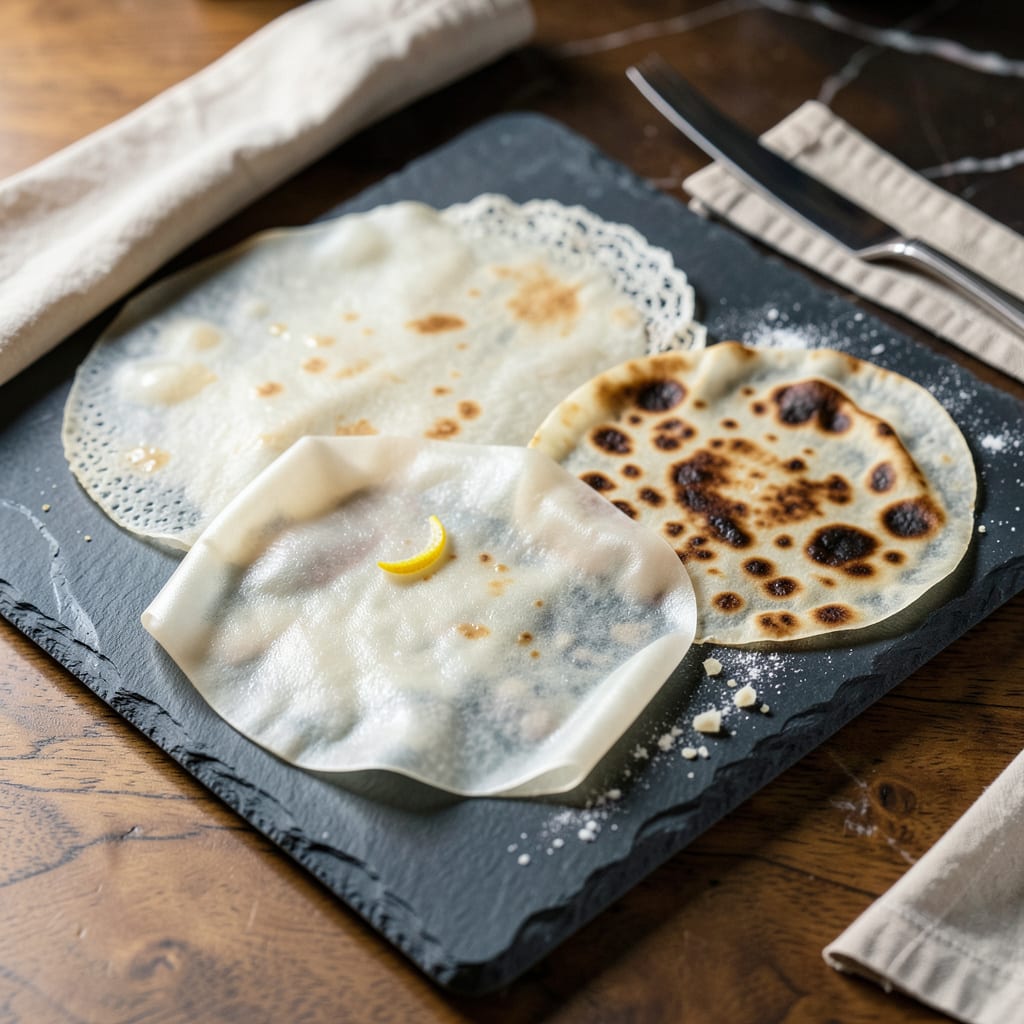
Rice paper can go bad if exposed to moisture or stored improperly, but unopened packages typically last 12-18 months in a cool, dry place. Once opened, use within 1-2 months for best quality.
I’ve learned through experience that rice paper’s delicate nature makes it particularly vulnerable to environmental factors. 🔥 The thin, brittle sheets absorb humidity like a sponge, which not only softens their texture but creates the perfect breeding ground for mold. What many don’t realize is that even unopened packages can degrade faster in warm kitchens or near stoves—ideal storage means treating them like you would dried pasta, but with even more care.
What’s fascinating is how quickly opened packages change. Within weeks, you might notice the sheets becoming sticky or developing tiny speckles—early warning signs that shouldn’t be ignored. I always recommend transferring opened rice paper to an airtight container with a silica packet to combat this, as the original packaging rarely reseals effectively.
💡 In This Article
- How Rice Paper Degrades Over Time
- Proper Storage Techniques for Rice Paper
How Rice Paper Degrades Over Time
The science behind rice paper spoilage comes down to two critical factors: moisture absorption and starch retrogradation. These thin sheets are made primarily from rice flour and water, giving them a porous structure that eagerly soaks up ambient humidity.
When exposed to moisture levels above 60% RH, the starch molecules begin absorbing water and swelling, transforming crisp sheets into rubbery, unusable wrappers within days. 🔥
What most people don’t realize is that unopened packages aren’t immune—they’re just better protected. The original packaging typically uses oxygen absorbers and moisture barriers that maintain internal humidity around 30-40% RH, creating a stable environment. But once opened, that protective seal is broken.
I’ve seen opened packages develop visible mold spots in as little as 3-4 weeks when stored in humid kitchens, compared to 2-3 months in properly sealed containers.
The texture changes tell the real story of degradation. Fresh rice paper should feel paper-thin and brittle, snapping cleanly when bent. As it absorbs moisture, the sheets first become pliable (still usable), then develop a tacky surface, and finally turn completely gummy.
This progression happens because the starch granules are literally dissolving in the absorbed water, losing their crystalline structure. The process accelerates dramatically at temperatures above 75°F, which is why pantry storage beats countertop placement every time. ✨
Mold growth presents the most obvious danger sign, but there are earlier warnings.
Look for subtle changes like:
- Surface sheen: Healthy rice paper has a matte finish; any glossiness indicates moisture absorption
- Color shifts: Pure white sheets developing grayish or yellowish tints suggest oxidation
- Odor changes: Fresh rice paper is odorless; musty or sour smells mean bacterial growth has begun
The packaging makes all the difference in shelf stability. Commercial manufacturers use nitrogen flushing and moisture-proof films to create an oxygen-free environment with 3-5% humidity inside sealed packages. This explains why unopened rice paper can last 12-18 months, while homemade or bulk-purchased sheets (without professional packaging) might only last 6-9 months even when unopened.
The moment you break that seal, you’re racing against both physics and microbiology to preserve quality. 💫
What’s particularly interesting is how freezing affects this degradation process. At 0°F, both moisture absorption and microbial growth virtually stop, which is why properly frozen rice paper can maintain quality for up to 2 years.
However, the freeze-thaw cycle causes its own texture issues if not managed carefully—ice crystals can create micro-tears in the sheets, making them more prone to breaking when rehydrated.

Trained in classic French technique but raised on slow-cooked ribs and spicy rubs, she blends culinary skill with smoke and soul.
- Recipe for Boneless Pork Chops in Cast Iron Skillet: Sear and Baste to Juicy Perfection - October 3, 2026
- Recipe for Boneless Cross Rib Roast: Slow-Roasted Beef with Herb Crust - October 3, 2026
- Hamburgers in Sauce Recipe Crock Pot: Slow-Cooked Savory Delight - October 3, 2026