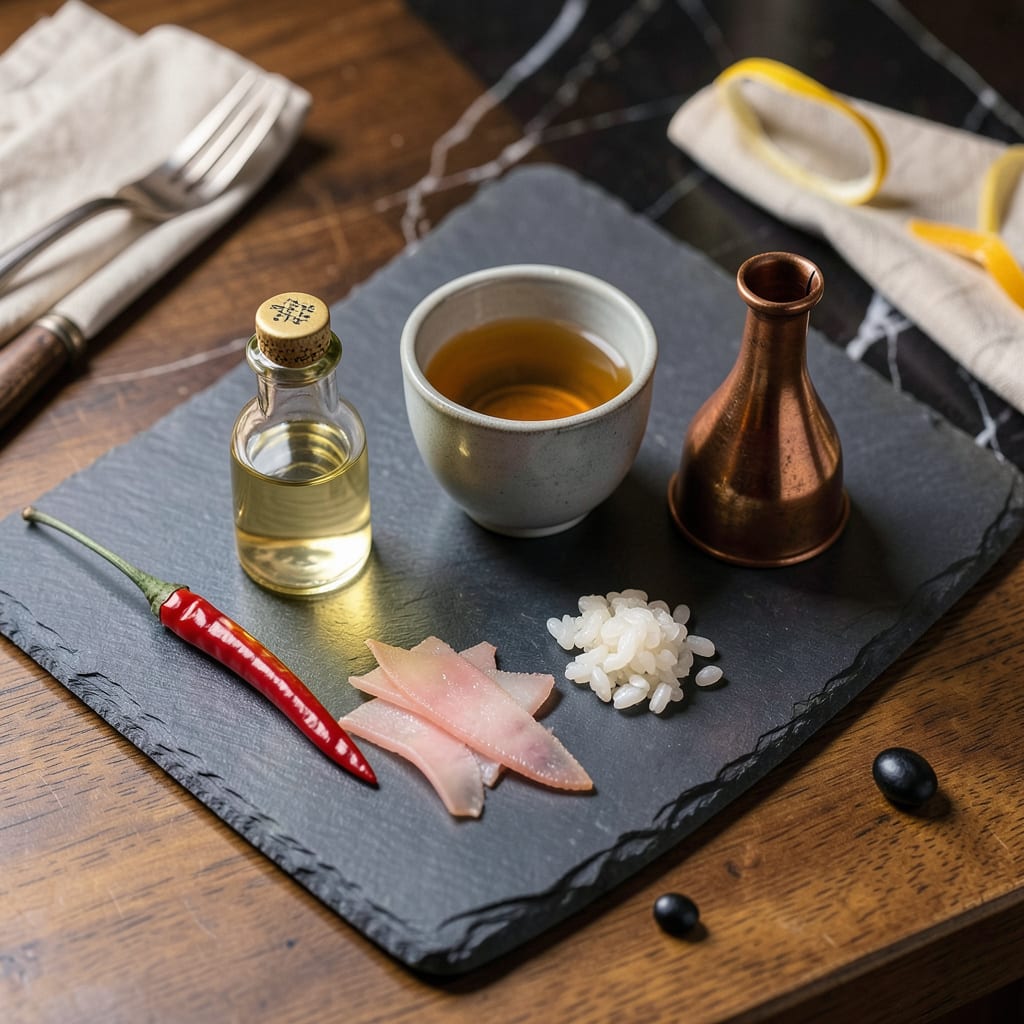
Rice wine vinegar typically contains trace amounts of alcohol (0.1-2%) due to fermentation, but most evaporates during processing. It’s generally considered non-alcoholic and safe for cooking, including dishes where alcohol avoidance is preferred.
This minimal alcohol presence comes from the fermentation of rice sugars into ethanol, which then converts to acetic acid. 🔥 What’s fascinating is how commercial production methods—like pasteurization and controlled aging—reduce the alcohol content even further, often to near-undetectable levels. I’ve used it in everything from salad dressings to marinades without any noticeable alcohol impact, making it a versatile choice for all kinds of recipes.
💡 In This Article
- How Rice Wine Vinegar Fermentation Affects Alcohol Content
- Cooking with Rice Wine Vinegar: Safety and Alcohol Evaporation
How Rice Wine Vinegar Fermentation Affects Alcohol Content
The journey from rice to vinegar begins with fermentation, where yeast converts rice sugars into ethanol. This process typically yields a liquid with about 10-15% alcohol—similar to wine. But here’s where the magic happens: acetic acid bacteria then transform that ethanol into vinegar. The result?
A product with only 0.1-2% residual alcohol, far below what’s considered alcoholic. 🔥
Traditional methods often use open-air fermentation, which can leave slightly more alcohol (up to 2%) due to less controlled conditions. Commercial producers, however, employ precise temperature control (75-85°F) and extended aging (often 6-12 months) to maximize alcohol conversion.
This careful process ensures the final product meets non-alcoholic standards while maintaining its signature mild, slightly sweet flavor profile. ✨
What’s fascinating is how the remaining alcohol content compares to other vinegars. Apple cider vinegar, for instance, typically contains 0.3-0.5% alcohol, while balsamic vinegar may have up to 1.5%. Rice wine vinegar’s lower alcohol content makes it particularly suitable for recipes where even minimal alcohol is a concern.
The fermentation process also develops its delicate balance of sweetness and acidity, which is why it’s so prized in Asian cuisine. 🌟
The classification as “non-alcoholic” comes from regulatory standards that consider beverages under 0.5% alcohol as alcohol-free. Most rice wine vinegars fall well below this threshold, with premium brands often testing at 0.1% or less. This microscopic amount is comparable to what you’d find in ripe bananas or orange juice—naturally occurring but negligible in effect. 💫
For those avoiding alcohol completely, it’s worth noting that the alcohol molecules in rice wine vinegar are chemically bound within the vinegar’s structure. This means they don’t behave like free alcohol in the body.
The vinegar’s high acidity (typically 4-5% acetic acid) further inhibits any potential alcohol absorption, making it safe for virtually all dietary needs. ⚡
I’ve personally used rice wine vinegar in everything from sushi rice to delicate sauces without any detectable alcohol presence. The fermentation process not only reduces alcohol but enhances the vinegar’s complex flavor—adding depth to dishes while remaining completely family-friendly.
The next time you’re cooking, you can use it confidently knowing the alcohol content is minimal and harmless. 💛

Trained in classic French technique but raised on slow-cooked ribs and spicy rubs, she blends culinary skill with smoke and soul.
- Recipe for Boneless Pork Chops in Cast Iron Skillet: Sear and Baste to Juicy Perfection - October 3, 2026
- Recipe for Boneless Cross Rib Roast: Slow-Roasted Beef with Herb Crust - October 3, 2026
- Hamburgers in Sauce Recipe Crock Pot: Slow-Cooked Savory Delight - October 3, 2026