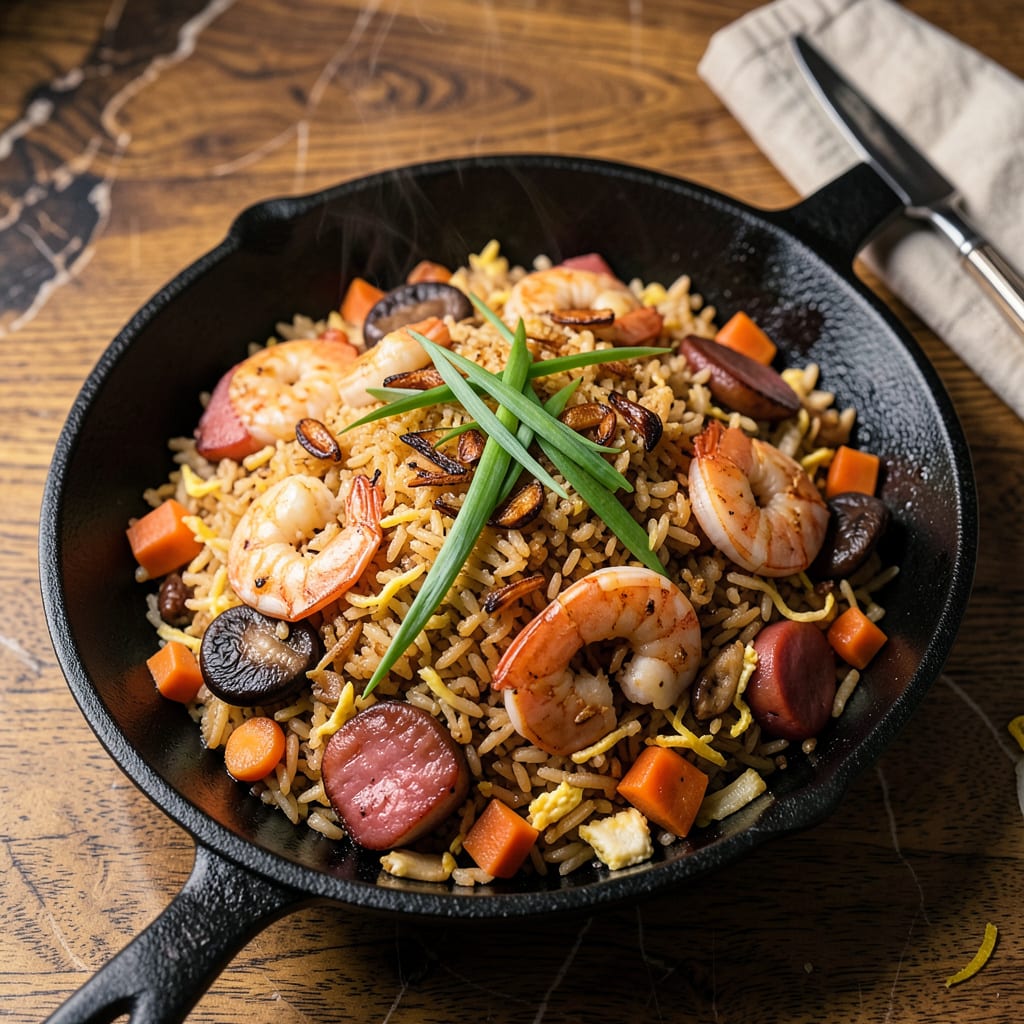
Traditional fried rice doesn’t contain added sugar, but many restaurant and packaged versions include it for flavor balance. Ingredients like soy sauce, oyster sauce, or sweetened meats can contribute hidden sugars and carbs.
What catches most people off guard is how sugar sneaks into this savory dish through common ingredients. 🔥 The soy sauce in your pantry might contain high-fructose corn syrup, while restaurant versions often use mirin or hoisin—both packed with sweeteners. Even “healthy” vegetable additions like carrots or corn bring natural sugars that add up. I always recommend checking labels on bottled sauces, as some brands add up to 5 grams per tablespoon just for that addictive sweet-salty punch.
This matters because those small amounts accumulate quickly in a single serving. A typical takeout portion could easily contain 15-20 grams of sugar from multiple sources, turning what seems like a protein-packed meal into a carb-heavy surprise. The flavor science behind this is fascinating—sugar enhances umami perception, which is why many chefs balance their recipes this way. ✨
💡 In This Article
- Where Hidden Sugars Come From in Fried Rice
- How to Make Low-Sugar Fried Rice at Home
Where Hidden Sugars Come From in Fried Rice
The real sugar culprits in fried rice aren’t obvious—it’s the sauces doing most of the work. Regular soy sauce contains 1-2 grams of sugar per tablespoon, while hoisin sauce packs 4-5 grams in the same serving. 🔥 Many restaurants use sweetened versions of these sauces to create that addictive sweet-salty flavor profile.
Even oyster sauce, which seems purely savory, often contains added sugar to balance its intense umami punch.
Marinated proteins contribute significantly too. Char siu pork or teriyaki chicken typically soak in sugar-heavy marinades before hitting the wok. A single serving of char siu can contain 8-12 grams of sugar from the marinade alone. The same goes for sweetened sausages like lap cheong, which often include sugar as a preservative and flavor enhancer.
These proteins absorb the sweetness during cooking, releasing it into the rice.
Vegetables play a surprising role as well. While they seem innocent, ingredients like carrots, corn, and peas contain natural sugars that caramelize during high-heat stir-frying. A half-cup of cooked carrots adds about 3 grams of sugar to your dish.
Restaurant chefs often use these vegetables not just for color, but because their natural sweetness complements the savory elements. The Maillard reaction during stir-frying intensifies these flavors, making the sugar content more noticeable.
Restaurant practices take this further through deliberate flavor engineering. Many chefs add a pinch of white sugar directly to the wok to enhance browning and create that signature glossy appearance. This technique, called “velveting,” helps the rice develop a slightly crispy texture while maintaining moisture.
The sugar also helps balance the acidity from ingredients like rice vinegar or tomato paste that might be in the dish.
Packaged and frozen versions take sugar addition to another level. To compensate for flavor loss during processing and reheating, manufacturers often add 2-3 times more sugar than restaurants would. A single serving of some popular frozen fried rice brands contains 10-15 grams of sugar—nearly a third of the daily recommended limit.
These products frequently use dextrose or maltodextrin as “flavor enhancers” that are technically sugars.
The cooking method itself can concentrate sugars too. High-heat stir-frying causes natural sugars in ingredients to caramelize, creating new flavor compounds. While this adds delicious complexity, it also means the sugar content becomes more potent.
A study by the Culinary Institute of America found that stir-fried vegetables can have 20-30% more available sugars after cooking compared to their raw state. ✨
What most home cooks don’t realize is how these small additions accumulate. When you combine sugary sauces, marinated proteins, sweet vegetables, and direct sugar additions, a single serving of restaurant-style fried rice can easily contain 20-25 grams of sugar. That’s equivalent to about 5 teaspoons—nearly what you’d find in a can of soda.
The flavor payoff is undeniable, but the nutritional impact often goes unnoticed.

Trained in classic French technique but raised on slow-cooked ribs and spicy rubs, she blends culinary skill with smoke and soul.
- Recipe for Boneless Pork Chops in Cast Iron Skillet: Sear and Baste to Juicy Perfection - October 3, 2026
- Recipe for Boneless Cross Rib Roast: Slow-Roasted Beef with Herb Crust - October 3, 2026
- Hamburgers in Sauce Recipe Crock Pot: Slow-Cooked Savory Delight - October 3, 2026