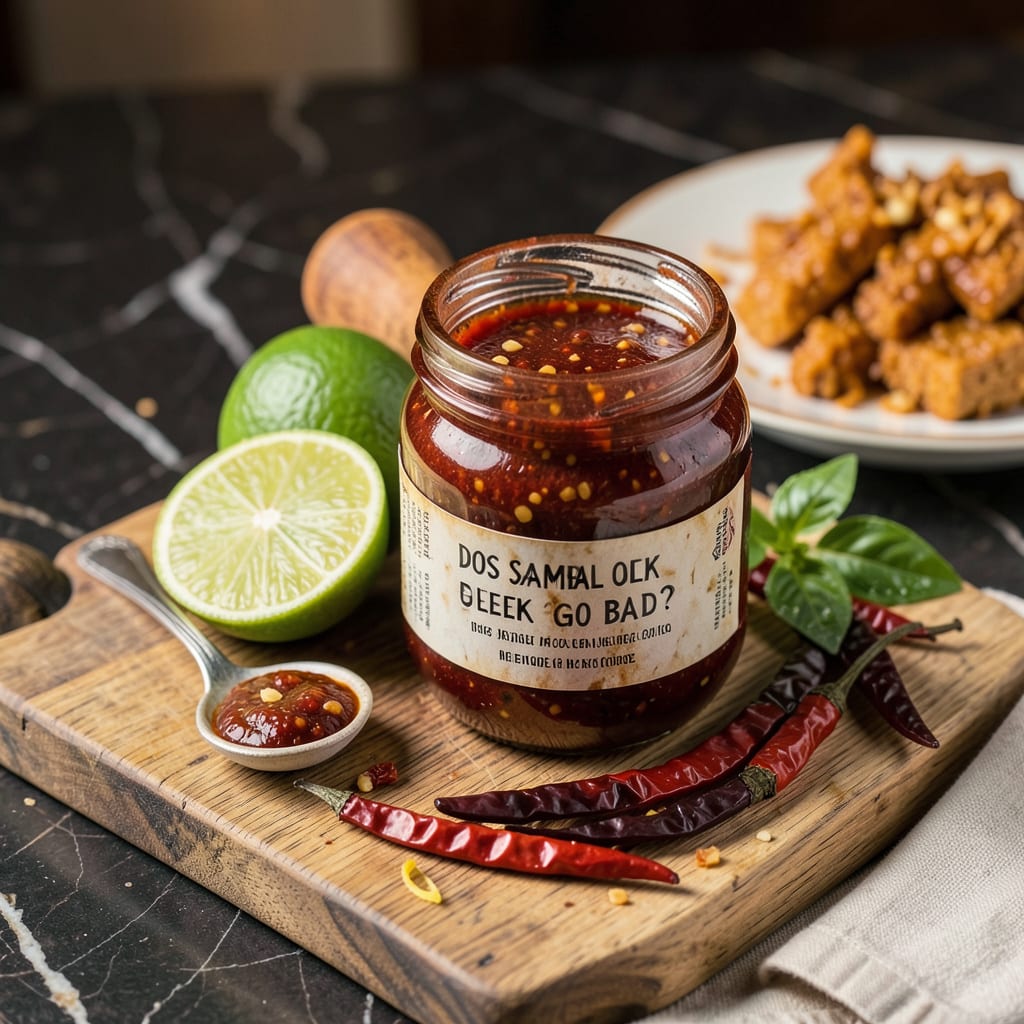
Sambal oelek can last 6-12 months unopened in the pantry and 3-6 months refrigerated after opening. Signs of spoilage include mold, off smells, or color changes beyond normal oxidation.
As someone who keeps fiery condiments on hand at all times, I’ve learned that sambal oelek’s longevity comes down to its natural preservation—vinegar and salt act as barriers against bacteria, but they’re not foolproof. 🔥 The real game-changer is oxygen exposure: once opened, the chili paste’s vibrant red hue may darken (that’s normal), but any fuzzy growth or sour, fermented aromas mean it’s time to toss it. I always transfer mine to a small, airtight glass jar after opening—it minimizes surface contact and extends freshness by weeks.
💡 In This Article
- How Sambal Oelek Spoilage Happens Over Time
- Proper Sambal Oelek Storage for Maximum Freshness
How Sambal Oelek Spoilage Happens Over Time
The science behind sambal oelek’s shelf life starts with its ingredients. The high acidity from vinegar (typically 4-5% acetic acid) and salt content (10-15%) creates an environment where most bacteria struggle to grow. However, this isn’t foolproof—some molds and yeasts can still develop, especially when exposed to air.
The fermentation process that gives sambal its tangy kick also means it’s alive with microbial activity, which can turn against you if storage conditions aren’t right.
Once you open the jar, oxidation becomes the main enemy. The vibrant red pigments in chili peppers (capsanthin and capsorubin) start breaking down when exposed to light and oxygen, causing that natural darkening over time. But here’s what most people miss: while color change is normal, any green or black fuzzy spots indicate mold growth.
The paste’s pH level (around 3.5-4.5) usually prevents bacterial growth, but molds can still take hold on the surface if left uncovered for too long. ✨
Temperature fluctuations accelerate degradation dramatically. Every time you take sambal oelek out of the fridge and let it sit at room temperature, condensation forms inside the container. This moisture creates micro-environments where microbes can thrive.
I’ve seen unrefrigerated opened jars develop off-flavors in as little as 2 weeks during summer humidity, while properly stored ones last months. The key is minimizing temperature swings and moisture exposure.
The container material matters more than you think. Plastic containers can absorb odors and allow microscopic oxygen permeation over time, while glass creates a more stable barrier. That’s why commercial brands use vacuum-sealed jars—it’s not just about freshness during shipping, but creating an oxygen-free zone that preserves the paste’s integrity.
Even with refrigeration, plastic-stored sambal oelek may develop off-flavors 30-50% faster than glass-stored versions. 🔥
Here’s what’s actually happening at the microbial level: the vinegar preserves by lowering water activity (aw), making it harder for bacteria to access moisture they need to grow. But some resilient strains like Zygosaccharomyces bailii (a spoilage yeast) can adapt to these conditions.
This is why you might notice bubbles or effervescence in older sambal—it’s yeast fermentation kicking in. While not always dangerous, it definitely alters the flavor profile from fiery and bright to dull and fermented.
Pro tip from my kitchen: if you notice the aroma shifts from fresh, pungent chili to something more like nail polish remover (that’s acetic acid breaking down further), it’s time to replace it. The heat level might also diminish as capsaicin degrades—another sign your sambal is past its prime.
I keep a sharpie handy to date my jars the moment I open them, because those first 30 days are when quality declines most rapidly. 💫

Trained in classic French technique but raised on slow-cooked ribs and spicy rubs, she blends culinary skill with smoke and soul.
- Recipe for Boneless Pork Chops in Cast Iron Skillet: Sear and Baste to Juicy Perfection - October 3, 2026
- Recipe for Boneless Cross Rib Roast: Slow-Roasted Beef with Herb Crust - October 3, 2026
- Hamburgers in Sauce Recipe Crock Pot: Slow-Cooked Savory Delight - October 3, 2026