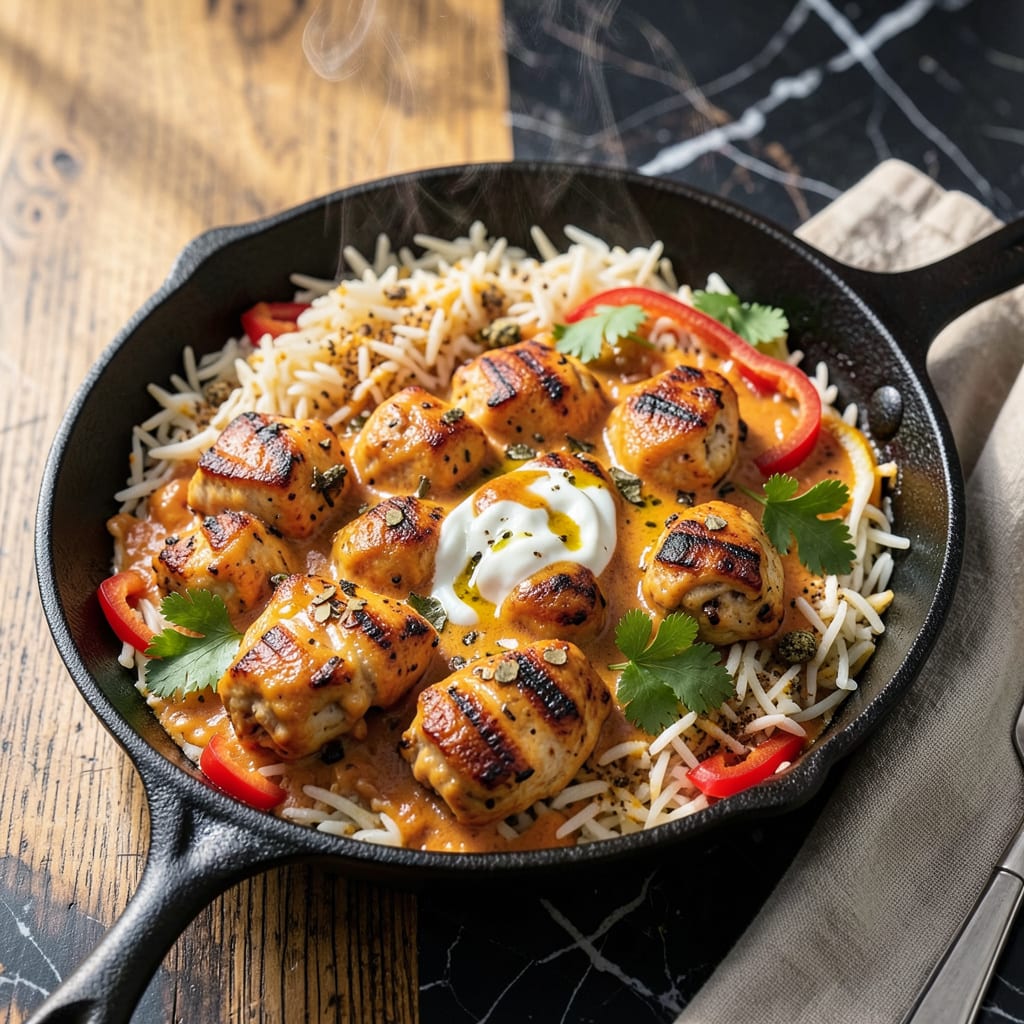
Traditional chicken tikka masala typically contains dairy through ingredients like yogurt, cream, or ghee in the marinade and sauce. However, dairy-free versions can be made with coconut milk or plant-based alternatives.
This classic dish’s rich, creamy texture comes from its dairy foundation—yogurt tenderizes the chicken while cream and ghee create that signature velvety sauce. 🔥 The dairy components aren’t just for flavor; they serve critical functions like marinating the meat and balancing the spices’ intensity. What many don’t realize is that regional variations exist—some Northern Indian versions use more cream, while Southern adaptations might incorporate coconut milk even in traditional recipes.
For those avoiding dairy, the key lies in understanding these functional roles. Plant-based yogurts need extra acidity to properly tenderize, while coconut cream requires specific thickening techniques to mimic heavy cream’s body. The good news? With the right substitutions, you can achieve that same luxurious mouthfeel without compromising authenticity. ✨
💡 In This Article
- Dairy Ingredients in Traditional Tikka Masala Recipes
- How to Make Dairy-Free Tikka Masala Without Sacrificing Flavor
Dairy Ingredients in Traditional Tikka Masala Recipes
The foundation of authentic tikka masala starts with yogurt in the marinade—typically full-fat Greek yogurt with its 10% milkfat content. This isn’t just for flavor; the lactic acid acts as a natural tenderizer by breaking down muscle proteins in the chicken over 4-12 hours of marinating.
The yogurt also forms a protective layer during grilling, preventing the spices from burning while creating that characteristic charred exterior. 🔥
In the sauce, heavy cream (36-40% fat) and ghee (clarified butter with 99% milkfat) work together to create the dish’s signature velvety texture. The cream’s fat molecules coat the tongue, softening the impact of spices like cayenne and garam masala.
Ghee adds a nutty depth while raising the sauce’s smoke point to 485°F, allowing for proper reduction without scorching. Northern Indian versions often use more cream, while Punjab-style recipes might incorporate malai (clotted cream) for extra richness.
The dairy components serve functional roles beyond taste. Yogurt’s proteins help the marinade cling to chicken pieces, while cream’s emulsifying properties prevent the sauce from separating during simmering. This is why traditional recipes call for adding cream off-heat—to maintain its structure.
The fat content also affects how the dish reheats; sauces with 20%+ dairy fat reheat more smoothly than leaner versions.
Regional adaptations show fascinating dairy variations. In Kerala, some cooks use coconut milk alongside dairy cream, creating a hybrid richness. Mumbai street vendors might add khoya (reduced milk solids) for extra body.
The key difference lies in how these fats interact with spices—dairy fats absorb and carry spice flavors differently than plant-based fats, which is why direct substitutions often fall short without adjustments. ✨
What many home cooks overlook is the role of dairy in color development. The Maillard reaction between yogurt’s proteins and the chicken’s surface creates those beautiful golden-brown tikka pieces. Cream in the sauce contributes to its orange hue by helping dissolve turmeric and paprika more evenly.
This is why dairy-free versions often need a pinch of annatto or extra paprika to compensate visually.
Temperature control becomes crucial with dairy components. Yogurt marinades should never exceed 40°F during storage to prevent curdling. When adding cream to the sauce, the ideal window is 160-180°F—hot enough to blend smoothly but not so hot it breaks.
Ghee’s high smoke point makes it ideal for the initial spice blooming, where temperatures can reach 350°F without burning the aromatics. 🌟
The science behind these dairy choices explains why the dish tastes so balanced. Fat molecules in cream and ghee act as flavor carriers, helping distribute both hydrophobic (like capsicum in chili) and hydrophilic (like cumin) compounds evenly. This creates that perfect harmony where no single spice dominates—just rich, complex flavor in every bite.
The protein structure of dairy also helps the sauce cling to rice or naan beautifully.

Trained in classic French technique but raised on slow-cooked ribs and spicy rubs, she blends culinary skill with smoke and soul.
- Recipe for Boneless Pork Chops in Cast Iron Skillet: Sear and Baste to Juicy Perfection - October 3, 2026
- Recipe for Boneless Cross Rib Roast: Slow-Roasted Beef with Herb Crust - October 3, 2026
- Hamburgers in Sauce Recipe Crock Pot: Slow-Cooked Savory Delight - October 3, 2026