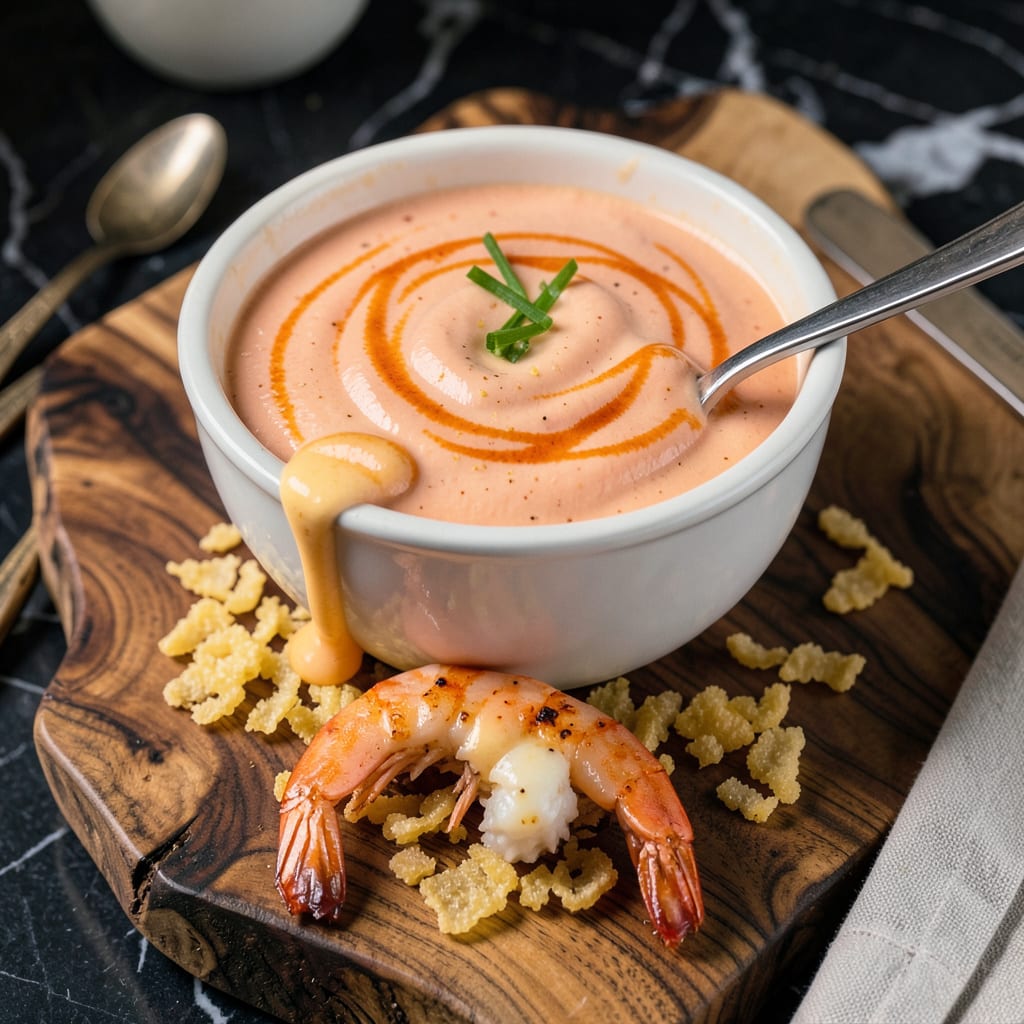
Yes, yum yum sauce can go bad. Unopened bottles last 6-12 months in the pantry, while opened sauce stays fresh for 1-3 months refrigerated. Always check for mold, off smells, or texture changes before using.
As someone who’s worked with sauces in professional kitchens, I know that mayo-based condiments like this one are particularly vulnerable to spoilage. 🔥 The emulsion of oil and egg in the base creates an environment where bacteria can thrive if not handled properly. What many don’t realize is that even unopened bottles degrade over time—the preservatives lose effectiveness, and flavor compounds break down. I’ve seen restaurant-quality batches turn in just weeks when left at room temperature, so proper storage isn’t just about safety; it’s about maintaining that signature sweet-tangy balance we all love.
💡 In This Article
- How Yum Yum Sauce Spoils Over Time
- Storing Yum Yum Sauce for Maximum Freshness
How Yum Yum Sauce Spoils Over Time
The science behind yum yum sauce spoilage starts with its mayo base. Mayonnaise is an emulsion of oil, egg yolks, and acid (like vinegar or lemon juice), and when this delicate balance breaks down, the oil begins separating.
🔥 This separation creates pockets where bacteria can multiply rapidly—especially if the sauce has been exposed to temperatures above 40°F for more than 2 hours. The egg yolks in mayo are particularly vulnerable to Salmonella growth when improperly stored.
Preservatives in commercial versions (like potassium sorbate or sodium benzoate) slow this process, but they degrade over time. After about 6 months, even unopened bottles lose about 30-40% of their preservative efficacy. Temperature fluctuations accelerate this—every 10°F increase above room temperature can cut shelf life in half.
💫 The tomato paste and spices in yum yum sauce also contain natural sugars that ferment over time, creating off-flavors like sourness or bitterness.
Oxidation is another silent spoiler. When the sauce contacts air (especially after opening), the oils begin breaking down through a process called lipid peroxidation. This creates rancid compounds that give the sauce a cardboard-like taste.
You’ll notice this first in homemade versions, which lack commercial stabilizers—after about 3-4 weeks, the vibrant orange color dulls, and the texture becomes grainy rather than creamy.
Mold growth is the most visible sign, but bacterial contamination often happens first without obvious clues. Lactobacillus and Acetobacter bacteria (common in spoiled condiments) produce lactic acid and acetic acid, which alter the sauce’s pH. This is why an opened bottle might develop a sharp, vinegary smell before you see any fuzzy growth.
🌟 The sugar content (typically 8-12% in yum yum sauce) initially inhibits some bacteria, but as it ferments, it creates an even more hospitable environment for microbes.
Here’s what’s happening at the microscopic level: The water activity (aW) in yum yum sauce sits around 0.92-0.95—high enough to support microbial growth but low enough to slow it compared to something like milk. When stored improperly, the aW increases as moisture condenses inside the container, creating micro-environments where bacteria thrive.
This is why you’ll sometimes see liquid separation even before the sauce smells “off.”
Pro tip from my kitchen: The 2-inch rule applies here. If you dip a chip or fry into the sauce and it leaves a visible layer of oil on top after sitting for 2 minutes, the emulsion is breaking down.
While not immediately unsafe, this is your warning sign that the sauce is entering its final 1-2 weeks of optimal quality. ✨ Commercial versions with xanthan gum hold their texture longer, but nothing beats freshness—aim to use opened bottles within 4-6 weeks for peak flavor.

Trained in classic French technique but raised on slow-cooked ribs and spicy rubs, she blends culinary skill with smoke and soul.
- Recipe for Boneless Pork Chops in Cast Iron Skillet: Sear and Baste to Juicy Perfection - October 3, 2026
- Recipe for Boneless Cross Rib Roast: Slow-Roasted Beef with Herb Crust - October 3, 2026
- Hamburgers in Sauce Recipe Crock Pot: Slow-Cooked Savory Delight - October 3, 2026