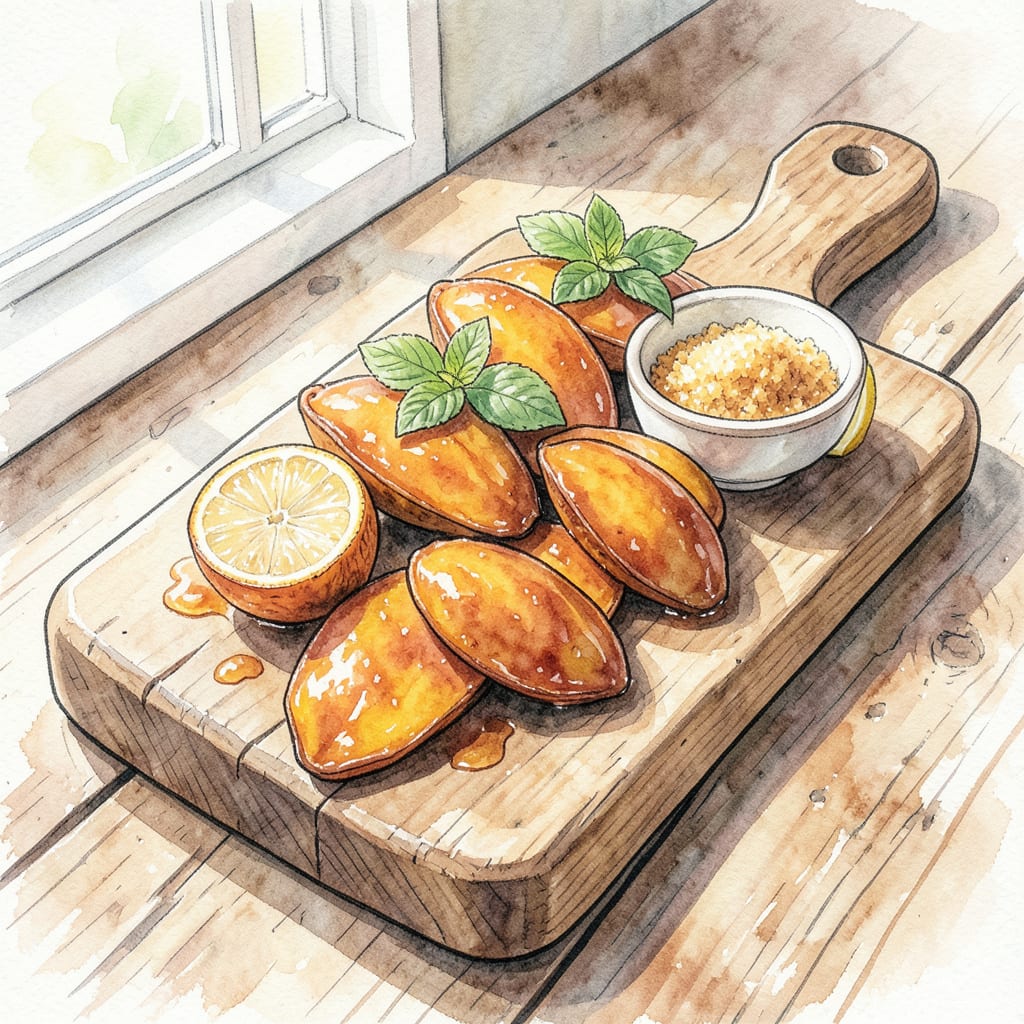
I’ve perfected a dried mango recipe that’s both sweet and chewy, capturing the essence of tropical flavors. As a pitmaster, I appreciate the transformation of fresh mango into a snack that’s both healthy and addictive.
This recipe requires precise temperature control and timing to achieve that perfect chewy texture. With a few simple ingredients and some patience, you’ll be enjoying your homemade dried mango in no time. Store it in airtight containers for a snack that’s ready whenever you need a tropical escape.
Ingredients for Dried Mango
Simple ingredients transform fresh mango into sweet, chewy dried snacks.
| Ingredient | Amount | Notes |
|---|---|---|
| Ripe Mangoes 🥭 | 2 whole | Prefer Ataulfo or Haden variety |
| Granulated Sugar 🍮 | ¼ cup | Optional, for pre-treatment |
| Water 💧 | 1 cup | For sugar syrup |
| Lemon Juice 🍋 | 2 tbsp | Freshly squeezed |
| Ascorbic Acid 🧂 | ¼ tsp | Optional, prevents browning |
[recipe_ingredient_scaler]
Choose ripe but firm mangoes—the Ataulfo variety works best due to its natural sweetness and velvety texture. Look for mangoes with a vibrant yellow-orange color and slight give when pressed. Trader Joe’s and Whole Foods typically have high-quality options. Avoid mangoes that are too soft or have brown spots.
The sugar pre-treatment helps preserve color and enhances flavor. If using sugar, create a syrup by dissolving 1/4 cup sugar in 1 cup water—brings out the mango’s natural sweetness. For a sugar-free version, skip this step or use a natural sweetener like honey. The lemon juice is crucial as it helps maintain the mango’s bright color and adds a nice tanginess.
Store dried mango in airtight containers or glass mason jars with parchment paper between layers. Keeps for up to 6 months at room temperature or 1 year in the fridge. If you notice moisture accumulating, re-dry for a few hours to prevent stickiness. Perfect for snacking on the go or adding to trail mix.
Step-by-Step Instructions for Dried Mango
Creating delicious dried mango at home is simpler than you think. Let’s get started!
Step 1: Prepare the Sugar Syrup
Begin by making the sugar syrup. In a medium saucepan, combine 1 cup of water and 0.25 cup of granulated sugar. Heat the mixture over medium heat, stirring occasionally, until the sugar dissolves completely. You’ll know it’s ready when the solution becomes clear and starts to simmer. Remove from heat and let cool to room temperature. This syrup helps preserve the mango’s color and adds sweetness.
If you’re using 0.25 tsp of ascorbic acid to prevent browning, stir it in once the syrup has cooled. The ascorbic acid acts as a natural preservative, maintaining the mango’s vibrant color during the drying process.
Step 2: Slice the Mangoes
While the syrup is cooling, prepare your mangoes. Peel the 2 whole ripe mangoes and slice them into thin, uniform pieces. I prefer slices about 1/4 inch thick – this thickness dries well without becoming too chewy or too brittle. Try to make your slices consistent so they dry at the same rate.
As you slice, place the mango pieces into the cooled sugar syrup, ensuring they’re fully submerged. If necessary, weigh down the mango slices with a plate to keep them under the liquid. Let them soak for at least 30 minutes. This step is crucial for enhancing flavor and texture.
Step 3: Dry the Mango Slices
Preheat your oven to its lowest temperature setting, typically around 150°F. Line baking sheets with parchment paper or silicone mats. Remove the mango slices from the syrup, letting any excess drip off. Arrange the slices in a single layer on the prepared baking sheets, making sure they don’t touch each other.
Place the baking sheets in the oven and dehydrate for 3-4 hours, or until the mangoes reach your desired level of dryness. They should be flexible and chewy when done. Check on them periodically, rotating the trays as needed for even drying. If you have a food dehydrator, follow the manufacturer’s instructions for temperature and time.
Step 4: Condition the Dried Mango
Once the mango slices are dried to your liking, remove them from the oven and let them cool completely on the baking sheets. Then, transfer them to an airtight container. To condition the dried mango, stir the slices daily for 7-10 days. This process allows any moisture to redistribute, ensuring the dried mango is evenly dried and less likely to develop mold.
After conditioning, store your dried mango in airtight containers or resealable bags. Keep them in a cool, dry place away from direct sunlight. Properly stored, your homemade dried mango should stay fresh for several months.
Regional Styles of This Dish
Indian-Style Dried Mango
In India, dried mango is known as amchur and is a staple spice used in various dishes. To make Indian-style dried mango, slice mangoes thinly and dry them in the sun or using a dehydrator at 135°F for 6-8 hours. The resulting powder is used as a souring agent in curries and chutneys. 🌟
Southeast Asian Variations
In Southeast Asia, particularly in Thailand and the Philippines, dried mango is made with a variety of sweet and spicy flavors. You can add a sprinkle of chili powder or sea salt to your dried mango for a spicy kick. Some regions also use a mixture of sugar and fish sauce to create a sweet and savory flavor profile.
Latin American-Style Dried Mango
In Latin America, dried mango is often seasoned with chili lime or Tajín for added flavor. You can replicate this by sprinkling a mixture of lime zest, chili powder, and a pinch of salt over your dried mango slices before serving. This adds a tangy and spicy kick to the sweet mango. 🌶️
Modern Twists on Dried Mango
Modern recipes often incorporate unique flavors into dried mango, such as ginger or turmeric. You can add slices of fresh ginger or a pinch of turmeric powder to your sugar syrup for an extra layer of flavor. This creates a fascinating blend of sweet and spicy that pairs well with a variety of dishes.
Storing Regional Dried Mango Variations
Regardless of the regional variation, it’s essential to store dried mango properly to maintain its texture and flavor. Store your dried mango in airtight containers or resealable bags with a packet of silica gel to absorb any moisture. Keep them in a cool, dry place away from direct sunlight for up to 6 months. ❄️
Using Dried Mango in Regional Dishes
Dried mango can be used in a variety of regional dishes, from Indian curries to Southeast Asian salads. You can rehydrate dried mango by soaking it in hot water or fruit juice and use it as a topping for yogurt or oatmeal. The versatility of dried mango makes it a great addition to many different cuisines.
Nutrition Facts

Trained in classic French technique but raised on slow-cooked ribs and spicy rubs, she blends culinary skill with smoke and soul.
- Recipe for Boneless Pork Chops in Cast Iron Skillet: Sear and Baste to Juicy Perfection - October 3, 2026
- Recipe for Boneless Cross Rib Roast: Slow-Roasted Beef with Herb Crust - October 3, 2026
- Hamburgers in Sauce Recipe Crock Pot: Slow-Cooked Savory Delight - October 3, 2026