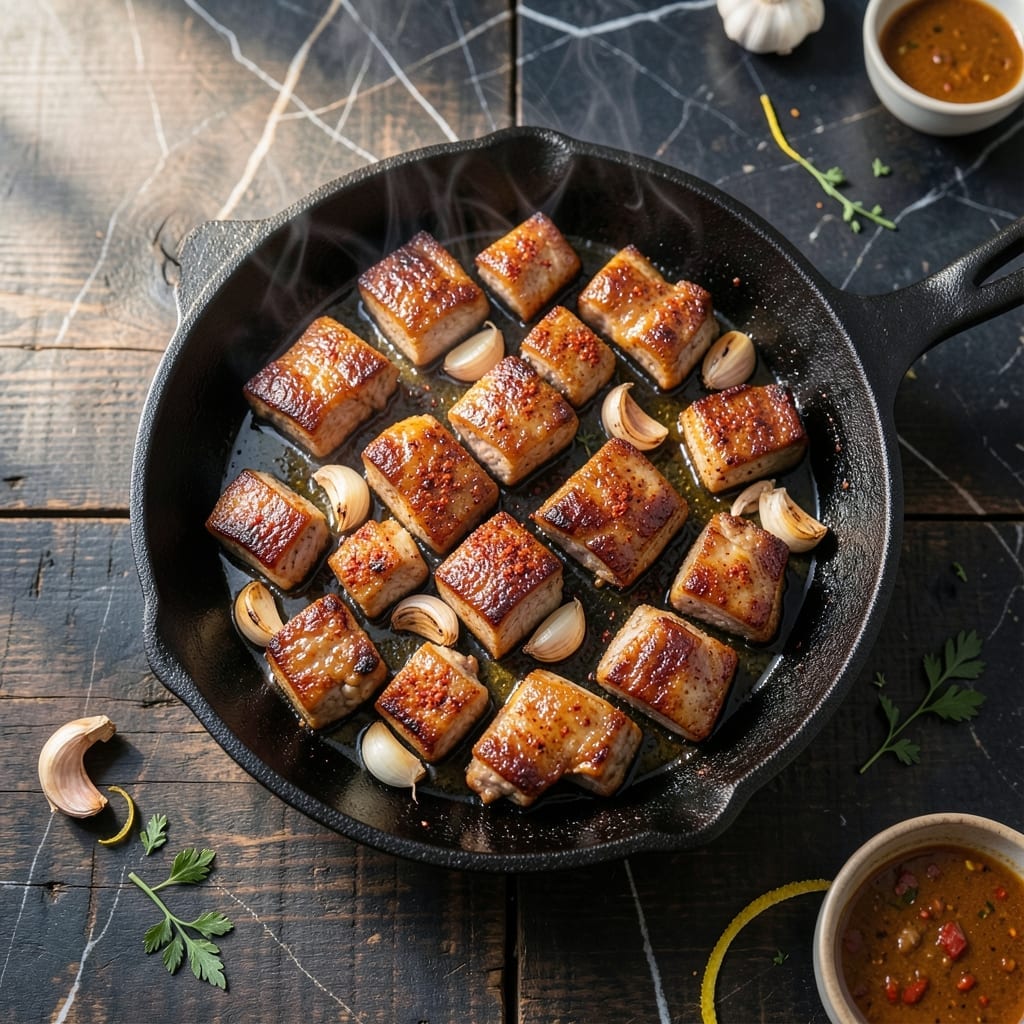
This traditional Kenyan technique produces crispy pork with bold, aromatic spices using a dry-frying method that ensures every bite is packed with flavor. I discovered this approach while exploring African cuisine, and it quickly became a favorite for its simplicity and stunning results.
The key is cooking the pork in its own fat at medium-high heat, allowing it to brown evenly without added oils. Traditional Kenyan spices like cumin, coriander, and chili powder create an authentic flavor profile that’s both robust and balanced.
By the end, you’ll have tender pork pieces with a crispy, caramelized exterior and a rich, spiced crust. The method is straightforward but delivers traditional results that stand out at any meal.
Serve with ugali or fresh vegetables for a complete dish that honors its roots. Here’s how to achieve it perfectly.
Ingredients for Dry Fry Pork Recipe Kenya
Pork shoulder and traditional Kenyan spices create these bold, crispy bites with minimal effort.
| Ingredient | Amount | Notes |
|---|---|---|
| Pork Shoulder 🐖 | 2 lb | Cut into 1-inch cubes, fat left on |
| Ground Cumin 🌿 | 2 tsp | Freshly ground for best flavor |
| Ground Coriander 🌿 | 2 tsp | Essential for authentic taste |
| Chili Powder 🌶️ | 1 tsp | Adjust for heat preference |
| Garlic Cloves 🧄 | 6 cloves | Minced for even distribution |
| Fresh Ginger 🌿 | 1 tbsp | Peeled and finely grated |
| Onion 🧅 | 1 whole | Medium, finely chopped |
| Salt 🧂 | 1 ½ tsp | Kosher or sea salt preferred |
| Black Pepper 🌶️ | 1 tsp | Freshly ground preferred |
| Turmeric 🌿 | ½ tsp | For color and earthiness |
| Lemon Juice 🍋 | 1 tbsp | Freshly squeezed for brightness |
| Fresh Cilantro 🌿 | ¼ cup | Chopped, for garnish |
[recipe_ingredient_scaler]
The pork shoulder is ideal here—its fat content ensures perfect crispiness without added oils. Costco or Whole Foods have well-marbled cuts perfect for dry-frying. Look for pieces with visible fat streaks (the good stuff, not the pre-trimmed kind). Traditional Kenyan markets often carry pre-cut pork for this method, but any supermarket will do if you ask the butcher.
No pork shoulder? Pork belly at half the quantity works but watch the cooking time. Missing a spice? Garam masala at one-third the amount can substitute for cumin and coriander together. Fresh ginger is best, but ground ginger at one-fourth the amount gets you close. The cilantro can be omitted if you’re one of those people who thinks it tastes like soap.
Cook immediately or refrigerate the pork for up to 2 days—don’t freeze since it’ll affect texture. The spice blend keeps in a jar for 3 months if stored in a cool, dark place. Leftovers (if any) reheat well but lose some crispness.
Why You’ll Love This Recipe
- I’ll be real: this works for dinner, lunch leftovers, or even a quick snack when friends drop by.
- One Pan Wonder: I just toss the pork shoulder with garlic, cumin, and coriander, then let it sizzle—no fancy prep or extra dishes.
- Spice Magic: That first bite with the chili powder kick and the garlic’s warmth? Ridiculously good.
- Weeknight Hero: I’ll be real: this works for dinner, lunch leftovers, or even a quick snack when friends drop by.
Step-by-Step Instructions for Dry Fry Pork
This traditional method delivers crispy pork with authentic Kenyan flavors through careful spicing and dry frying.
Step 1: Prepare and Marinate the Pork
Cut the 2 lb Pork Shoulder into 1-inch cubes, leaving the fat on for flavor and moisture. In a large bowl, combine the pork with 2 tsp Ground Cumin, 2 tsp Ground Coriander, 1 tsp Chili Powder, 1.5 tsp Salt, 1 tsp Black Pepper, and 0.5 tsp Turmeric.
Add the 6 cloves Garlic Cloves (minced) and 1 tbsp Fresh Ginger (finely grated) to the bowl. Mix thoroughly with your hands to ensure every piece is evenly coated. Drizzle 1 tbsp Lemon Juice over the mixture and combine again. Let it marinate for 30 minutes at room temperature to allow the spices to penetrate deeply.
Step 2: Dry Fry the Pork to Perfection
Heat a heavy skillet or cast-iron pan over medium-high heat. Add the marinated pork in a single layer, ensuring the pieces aren’t crowded. The pork will release some fat as it cooks—this is normal and contributes to the crispiness.
Cook undisturbed for 5-6 minutes until the bottoms develop a deep golden-brown crust. Stir the pork and continue cooking for another 5-6 minutes, stirring occasionally, until all sides are evenly browned and the pork is cooked through. The goal is a crispy exterior while keeping the inside tender and juicy.
Step 3: Sauté the Aromatics for Depth
Once the pork is browned, reduce the heat to medium and push the pork to one side of the pan. Add the 1 whole Onion (finely chopped) to the empty space. Cook for 3-4 minutes, stirring frequently, until the onion softens and turns translucent.
Mix the cooked onion into the pork, ensuring it’s evenly distributed. The onion adds natural sweetness and balances the bold spices. Cook for an additional 2 minutes to meld the flavors together, stirring to prevent burning.
Step 4: Finish and Garnish
Remove the pan from heat and let the pork rest for 2-3 minutes. This allows the juices to redistribute, keeping the meat moist. Transfer to a serving dish and garnish with 0.25 cup Fresh Cilantro (chopped) for a fresh, vibrant finish.
Serve immediately while hot and crispy. The pork should have a rich, golden-brown exterior with a tender, flavorful interior. Each bite should deliver the warmth of the spices and the satisfying crunch of dry frying.
Pro Tips For Making Dry Fry Pork Recipe Kenya
- Use Medium Heat: I learned this the hard way—cranking the heat too high burns the spices before the pork cooks through. Keep it steady at medium to let the cumin and coriander toast without turning bitter.
- Score the Pork: Cut shallow slits into the pork shoulder before dry frying. This helps the garlic and spices penetrate deeper, giving you flavor in every bite.
- Skip the Overcrowding: Resist the urge to dump all the pork in at once—it steams instead of fries. Cook in batches if needed to get that crispy, caramelized crust.
- Toast the Spices: Sounds weird, but it works: lightly toast the cumin, coriander, and chili powder in the dry pan for 30 seconds before adding the pork. It wakes up the flavors and makes a real difference.
Regional Styles of This Dish
Coastal Kenyan Style
Along the Swahili coast, this dish often includes coconut milk added at the end for a creamy finish. The coastal version also uses more turmeric and cardamom for a warmer, more aromatic profile. I love how the coconut balances the heat from the chili powder. 🌊
Highland Variation
In the cooler highland regions, they add potatoes and carrots to the pan with the onions. The vegetables soak up all the spiced pork fat, making every bite packed with flavor. This heartier version is perfect for cooler weather.
Urban Nairobi Style
Nairobi’s bustling markets offer a modern twist with bell peppers and tomatoes added during cooking. The city’s diverse population has influenced the dish to include more colorful, fresh ingredients. I tried this version at a street food stall in Westlands.
Western Kenya Approach
In the western part of the country, they often use pork ribs instead of shoulder. The ribs are dry-fried until crispy, then finished with a squeeze of lime instead of lemon. This gives the dish a slightly tangier kick.
Rift Valley Method
Here, they incorporate fresh rosemary and thyme into the spice mix. The herbs add a piney, earthy note that pairs beautifully with the cumin and coriander. I was surprised by how well these herbs complement the traditional spices. 🌿
Traditional Luo Style
The Luo community often serves this pork with ugali and a side of sukuma wiki (collard greens). The greens are cooked with onions and tomatoes, making a balanced, hearty meal that’s deeply satisfying.
Nutrition Facts
Frequently Asked Questions
What cut of pork works best?
Pork shoulder is ideal because its fat content ensures perfect crispiness. Pork belly works too but watch the cooking time.
Can I adjust the spice level?
Reduce or omit the chili powder for a milder dish. For more heat, add extra chili or a pinch of cayenne.
How do I prevent burning?
Cook over medium-high heat and stir occasionally. Avoid overcrowding the pan to ensure even browning.
What should I serve with it?
Traditional options include ugali or sukuma wiki. Rice or fresh vegetables also pair well for a lighter meal.

Trained in classic French technique but raised on slow-cooked ribs and spicy rubs, she blends culinary skill with smoke and soul.
- Recipe for Boneless Pork Chops in Cast Iron Skillet: Sear and Baste to Juicy Perfection - October 3, 2026
- Recipe for Boneless Cross Rib Roast: Slow-Roasted Beef with Herb Crust - October 3, 2026
- Hamburgers in Sauce Recipe Crock Pot: Slow-Cooked Savory Delight - October 3, 2026