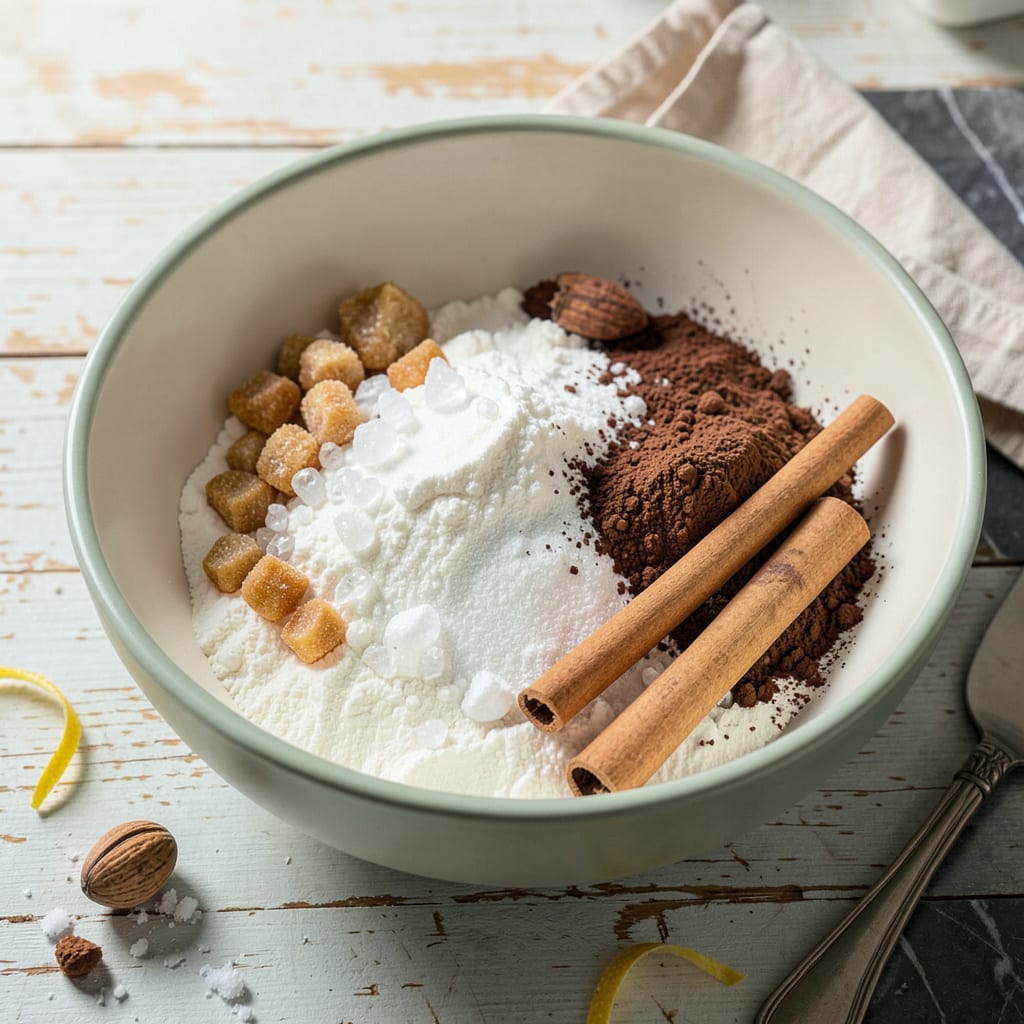
Dry ingredients are shelf-stable, moisture-free food items like flour, sugar, spices, and baking powder. They form the foundation of recipes, providing structure, flavor, and leavening without adding liquid. Common examples include grains, salt, and powdered dairy.
I think of these as the architectural backbone of any dish—the elements that create stability and depth. 🔥 In my kitchen, they’re the difference between a flat-tasting meal and one with complex layers. For example, the right balance of all-purpose flour and cornstarch can transform a cake’s crumb from dense to airy. What’s fascinating is how they interact with moisture during cooking, whether absorbing it (like breadcrumbs in meatballs) or reacting with it (like baking soda with vinegar).
These pantry staples also reveal their regional personalities—smoked paprika from my coastal foraging trips or stone-ground grits from local mills. ✨ Their shelf life makes them reliable, but proper storage (airtight containers, cool spaces) preserves their potency. I’ve seen many home cooks overlook how humidity can turn powdered ingredients into useless clumps overnight.
💡 In This Article
- Why Dry Ingredients Are Essential in Cooking and Baking
- How to Measure and Store Dry Ingredients Correctly
Why Dry Ingredients Are Essential in Cooking and Baking
Here’s what’s actually happening when you mix dry ingredients with wet: they create a chemical and physical framework for your dish. 🔥 Take flour, for example—its proteins (glutenin and gliadin) form gluten when combined with water, giving bread its chewy structure. Without this reaction, you’d end up with a crumbly mess instead of a loaf.
Baking powder, another dry staple, releases carbon dioxide when moistened, creating those air pockets that make cakes light and fluffy.
The science behind this involves precise ratios. A standard cake recipe might call for 2 cups flour to 1 cup sugar—this balance ensures proper structure while allowing sweetness to shine. Too much flour and your cake becomes dense; too little and it collapses.
Spices like cinnamon or nutmeg (used in 1/2 to 1 tsp quantities) don’t just add flavor—their volatile oils bloom when heated, releasing aromas that make your kitchen smell incredible.
What most people don’t realize is how dry ingredients control moisture in cooking. Cornstarch in fried chicken coatings absorbs surface moisture, creating that crispy crust we all love. In meat rubs, salt draws out proteins to form a flavorful crust during smoking.
I’ve found that using 1 tbsp salt per pound of meat gives the perfect balance for bark formation without overpowering the natural flavors.
Temperature matters too with dry ingredients. Cold butter cut into flour creates flaky pie crusts because the fat stays solid until baking, while room-temperature butter creamed with sugar incorporates air for lighter cookies.
🌟 Even storage temperature affects performance—keep baking powder in a cool pantry (70°F or below) to maintain its leavening power for up to 18 months.
Consider these key functions dry ingredients serve:
- Structure: Flour’s gluten network supports everything from pizza dough to pie crusts
- Leavening: Baking soda/powder create 25-30% volume increase in baked goods
- Flavor concentration: Powdered ingredients like onion or garlic deliver intense taste without added moisture
- Texture control: Cornmeal adds grit to muffins while powdered sugar makes icing silky smooth
The next time you’re measuring out 1/4 tsp of cayenne or 3 cups of bread flour, remember—these aren’t just ingredients, they’re the architects of your dish’s final form and flavor. ✨ My pro tip?
Always sift dry ingredients together before combining with wet components to prevent clumping and ensure even distribution throughout your batter or dough.

Trained in classic French technique but raised on slow-cooked ribs and spicy rubs, she blends culinary skill with smoke and soul.
- Recipe for Boneless Pork Chops in Cast Iron Skillet: Sear and Baste to Juicy Perfection - October 3, 2026
- Recipe for Boneless Cross Rib Roast: Slow-Roasted Beef with Herb Crust - October 3, 2026
- Hamburgers in Sauce Recipe Crock Pot: Slow-Cooked Savory Delight - October 3, 2026