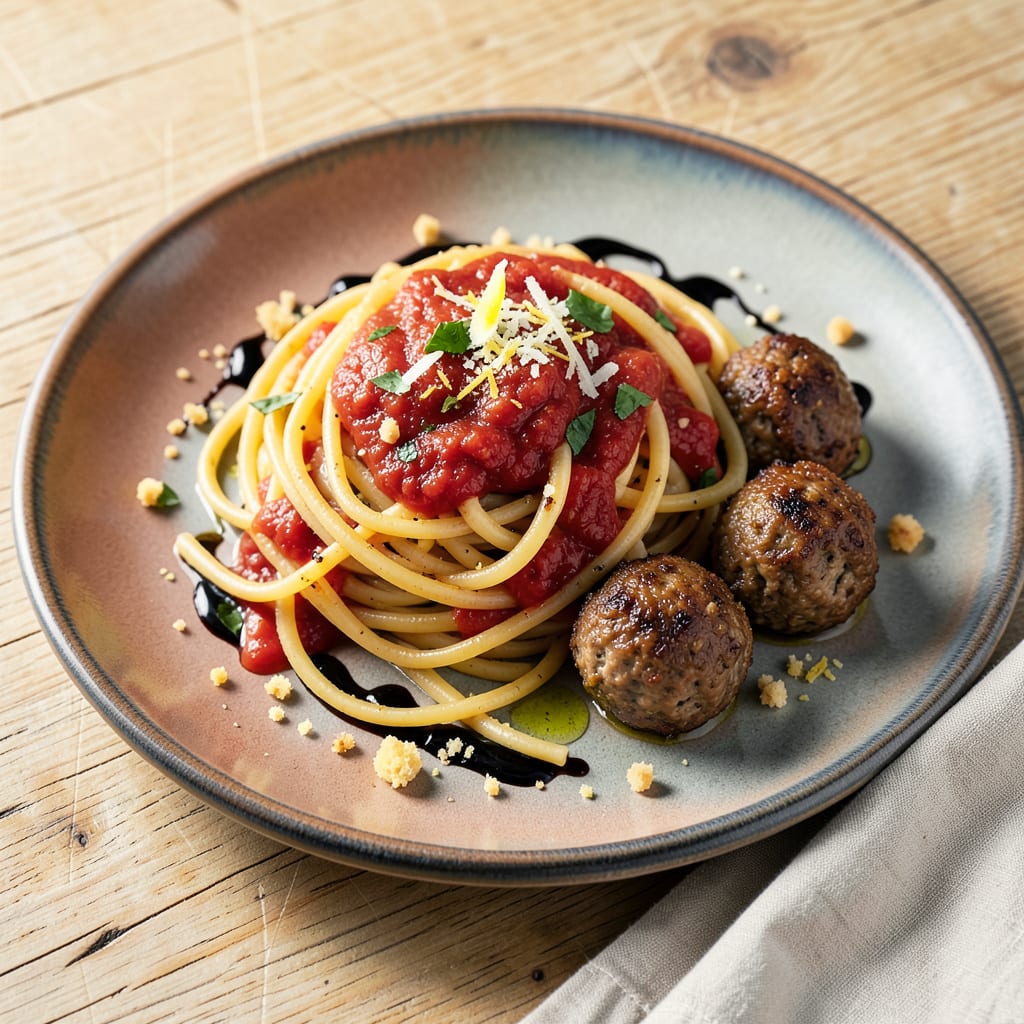
Durum semolina spaghetti delivers a firm, chewy texture and rich wheat flavor thanks to its high-protein durum wheat base. It holds sauces better than regular pasta and stays al dente when cooked properly.
This isn’t your average pasta—durum semolina’s coarse grind and 12-14% protein content create a sturdy structure that maintains its bite even in hearty sauces. 🔥 I’ve found it particularly transforms simple dishes like aglio e olio, where the wheat’s nutty undertones shine through. Traditional Italian mills stone-grind the wheat slowly to preserve its natural oils, which explains why artisanal versions have that extra depth of flavor you can’t replicate with mass-produced brands.
The real magic happens when you pair its texture with the right sauce. The porous surface grabs onto oil-based emulsions like pesto or carbonara, while its chewiness stands up to chunky meat ragùs without turning mushy. What surprises most home cooks is how forgiving it is—unlike delicate egg pastas, semolina spaghetti gives you a 2-minute window to nail that perfect al dente stage.
💡 In This Article
- Why Durum Wheat Creates Superior Spaghetti Texture
- Cooking Durum Semolina Spaghetti Like an Italian Chef
Why Durum Wheat Creates Superior Spaghetti Texture
Here’s what’s actually happening at the molecular level: durum wheat contains 12-14% protein compared to all-purpose flour’s measly 8-11%. This extra protein forms a tighter gluten network during pasta production, creating that signature chewy resistance. The secret lies in how these gluten strands interact with water—durum’s gluten absorbs moisture slowly, maintaining structure even when cooked.
🔥
The milling process makes all the difference. Traditional Italian mills use stone grinding at low temperatures to preserve the wheat germ’s natural oils, while industrial steel rollers generate heat that can degrade flavor.
I’ve visited mills in Puglia where they grind durum into semolina with particles 0.3-0.6mm in size—this coarse texture creates microscopic channels that trap sauce better than smooth flour pastas. The result? Each bite delivers both texture and flavor in perfect balance.
What most home cooks don’t realize is that semolina’s granular structure affects cooking time. The larger particles require 1-2 minutes longer to hydrate fully compared to white flour pasta. This extended cooking window gives you more control to achieve that ideal al dente stage without risking mushiness.
The starch granules in semolina also release more gradually, which is why your pasta water stays clearer than when cooking regular spaghetti.
Durum’s natural yellow pigments (lutein and zeaxanthin) contribute more than just color—they’re fat-soluble compounds that enhance the wheat’s natural sweetness. When you taste properly made semolina spaghetti, you’re experiencing the perfect marriage of texture (from the gluten), flavor (from the preserved oils), and aroma (from the slow-milled wheat).
This trifecta explains why Italian chefs insist on using only durum semolina for their pasta.
Consider these key differences when comparing pastas:
- Protein content: Durum semolina (12-14%) vs all-purpose (8-11%)
- Cooking time: Semolina requires 10-12 minutes vs 8-9 minutes for white flour
- Sauce adhesion: Coarse semolina surface traps 30% more sauce than smooth pasta
- Flavor profile: Nutty, wheat-forward taste with natural sweetness undertones
The real test comes when you pair it with sauces. Try tossing al dente semolina spaghetti with a simple garlic-infused olive oil—the pasta’s porous surface will absorb the oil while maintaining its structure, creating a dish where every strand carries flavor.
This is why professional chefs reach for durum semolina when they want pasta that truly performs. ✨

Trained in classic French technique but raised on slow-cooked ribs and spicy rubs, she blends culinary skill with smoke and soul.
- Recipe for Boneless Pork Chops in Cast Iron Skillet: Sear and Baste to Juicy Perfection - October 3, 2026
- Recipe for Boneless Cross Rib Roast: Slow-Roasted Beef with Herb Crust - October 3, 2026
- Hamburgers in Sauce Recipe Crock Pot: Slow-Cooked Savory Delight - October 3, 2026