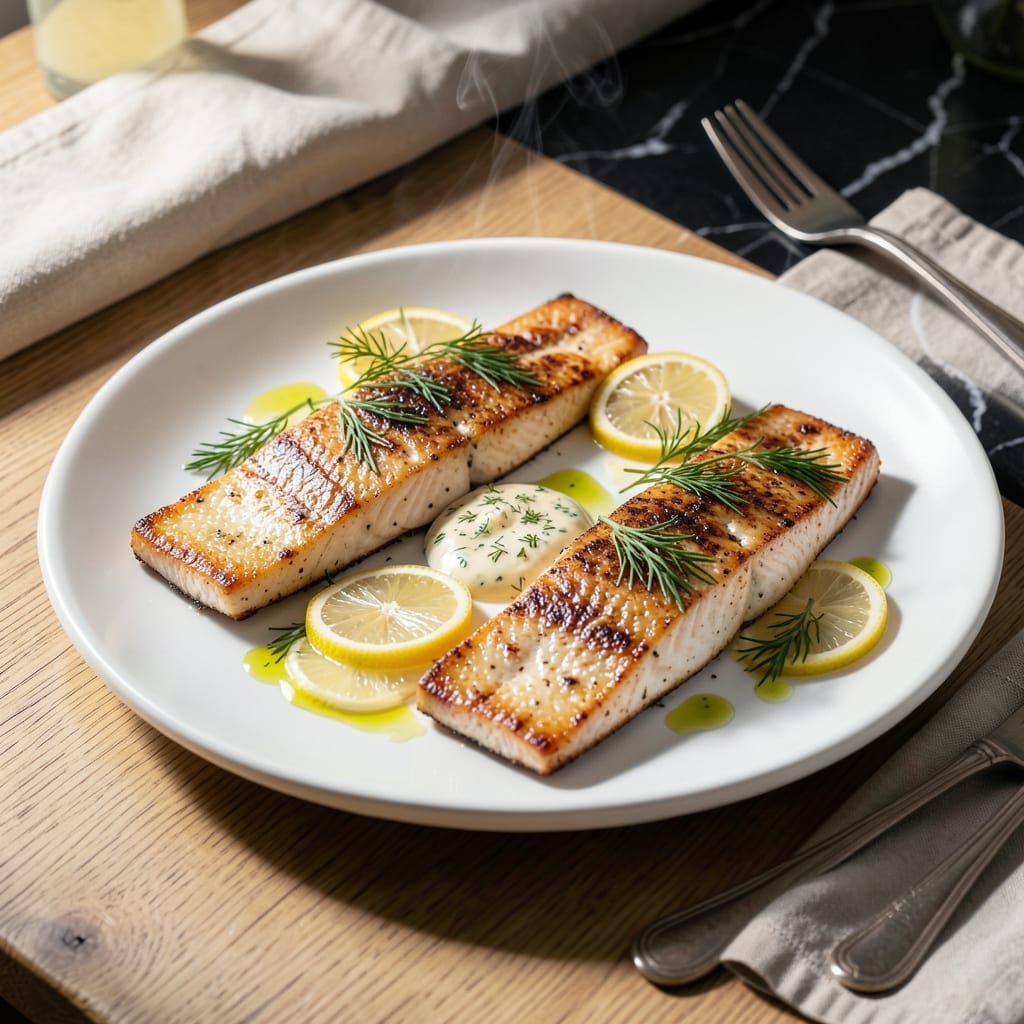
Cooking rainbow trout at home is simpler than you think. This pan-seared method delivers tender fish with crispy skin in under 15 minutes, using a foolproof technique I perfected in my tiny Boston kitchen.
The key is high heat and minimal handling. A hot pan creates that coveted golden crust while keeping the inside moist. The lemon-herb butter adds bright flavor that complements the trout’s natural richness.
What you’ll get is restaurant-quality fish with a buttery, aromatic sauce that comes together effortlessly. The skin becomes shatteringly crisp while the flesh stays flaky and delicate.
Serve with steamed vegetables or roasted potatoes for a complete meal. Here’s how to make it.
Ingredients for Easy Recipe for Cooking Rainbow Trout
Fresh fillets meet bright herbs and buttery richness for a dish that feels fancy but cooks fast.
| Ingredient | Amount | Notes |
|---|---|---|
| Rainbow Trout Fillets 🐟 | 4 whole | Skin-on, scaled, patted dry |
| Unsalted Butter 🧈 | 4 tbsp | Divided for cooking and sauce |
| Extra-Virgin Olive Oil 🫒 | 2 tbsp | High smoke point preferred |
| Garlic Cloves 🧄 | 3 cloves | Minced finely for butter |
| Fresh Lemon 🍋 | 1 whole | Zested and juiced |
| Fresh Dill 🌿 | ¼ cup | Chopped finely, stems removed |
| Fresh Parsley 🍃 | ¼ cup | Chopped, for garnish |
| Salt 🧂 | 1 tsp | Kosher or sea salt |
| Black Pepper 🌶️ | ½ tsp | Freshly ground preferred |
| All-Purpose Flour 🌾 | ¼ cup | For light dusting fish |
| Dijon Mustard 🟡 | 1 tsp | For brightness in butter |
| Capers 🫒 | 1 tbsp | Drained, optional for tang |
[recipe_ingredient_scaler]
The trout is the star, so ask for skin-on, scaled fillets at the fish counter—Whole Foods or a good local market will have them. Look for vibrant, moist flesh (dull or dry means it’s old). I like Atlantic trout for its mild flavor and consistent texture. If buying frozen, thaw overnight in the fridge on a paper towel-lined plate (don’t let it sit in water).
No fresh dill? Dried dill at one-third the amount works, but fresh is worth it here. Out of parsley? Chives or tarragon add a nice twist. The lemon-herb butter is flexible—swap thyme or basil if that’s what you’ve got. Capers not your thing? Leave them out or add a splash of white wine to the pan for acidity.
Eat this the day you make it—fish is best fresh. Leftovers keep 1 day in the fridge (reheat gently in a skillet). The lemon-herb butter? Make extra and freeze for 2 weeks. It’s perfect on salmon, chicken, or even tossed with pasta.
Why You’ll Love This Recipe
- One Pan Wonder: I just sear the trout in butter and olive oil, add garlic and lemon, and dinner’s done in one skillet.
- Buttery Garlic Bliss: The butter melts into the trout while the garlic and lemon brighten every bite—so simple, so good.
- Weeknight Hero: Honestly, this comes together faster than takeout and feels way more special.
- Leftovers? Yes Please: The trout reheats beautifully for lunch the next day—if there’s any left, that is.
Step-by-Step Instructions for Pan-Seared Rainbow Trout With Lemon-Herb Butter
Here’s the simple method that guarantees perfectly cooked fillets with crisp skin and bright, buttery flavor.
Step 1: Prep the Rainbow Trout Fillets
Pat the rainbow trout fillets completely dry with paper towels. This step is non-negotiable—moisture prevents the skin from crisping. Season both sides evenly with the 1 tsp salt and ½ tsp black pepper, pressing gently so the seasoning adheres.
Lightly dust each fillet with the ¼ cup all-purpose flour, shaking off any excess. The flour creates a delicate crust and helps the skin crisp up beautifully in the pan. Set the seasoned fillets aside while you prepare the lemon-herb butter.
Step 2: Cook the Rainbow Trout Fillets
Heat the 2 tbsp extra-virgin olive oil in a large skillet over medium-high heat until it shimmers. Place the fillets skin-side down in the pan. Press down gently with a spatula for the first 10 seconds to prevent curling, then let them cook undisturbed.
Cook for 4-5 minutes until the skin is golden brown and crisp. Flip carefully and cook for another 2-3 minutes until the fish flakes easily with a fork. Transfer the fillets to a warm plate and tent loosely with foil to keep them warm.
Step 3: Make the Lemon-Herb Butter Sauce
Reduce the heat to low and add 3 tbsp unsalted butter to the same skillet. Once melted, add the 3 cloves minced garlic cloves and cook for 30 seconds until fragrant but not browned. Stir in the 1 tsp Dijon mustard and 1 tbsp capers.
Add the ¼ cup chopped fresh dill and the juice and zest from the 1 whole fresh lemon. Stir for 1 minute until the butter is infused with the herbs and lemon. Taste and adjust seasoning if needed, then pour the sauce over the cooked rainbow trout fillets.
Step 4: Garnish and Serve
Sprinkle the remaining 1 tbsp unsalted butter (optional) over the fillets for extra richness. Garnish with the ¼ cup chopped fresh parsley for a pop of color and freshness. The fillets should be tender, flaky, and topped with a glossy, aromatic butter sauce.
Serve immediately while hot, with extra lemon wedges on the side if desired. The combination of crisp skin, moist fish, and bright lemon-herb butter makes this dish feel special without the fuss.
Pro Tips For Making Easy Recipe For Cooking Rainbow Trout
- Preheat the Pan: Get your pan screaming hot before adding the trout—medium-high heat for 2-3 minutes. I learned this the hard way after too many fillets stuck to the pan because it wasn’t ready.
- Pat the Fillets Dry: Use a paper towel to remove all moisture from the trout before seasoning. Sounds weird, but it works: this guarantees a crisp skin instead of a soggy mess.
- Skip Overcrowding: Cook no more than two fillets at a time in a standard pan. After burning three batches, I finally figured out that crowding lowers the temperature and steams the fish.
- Baste with Butter: Tilt the pan and spoon the melted butter, garlic, and lemon over the trout as it cooks. My grandmother swore by this, and she was right: it adds flavor and keeps the fish moist.
Health Benefits of This Dish
Heart-Healthy Omega-3s
Rainbow trout is packed with omega-3 fatty acids, delivering about 800mg per 3-ounce serving. These healthy fats support heart health and reduce inflammation, just like my Nonna always said about “good fish.” A regular serving can help lower blood pressure naturally. 💪
Lean Protein Power
Each fillet provides about 20 grams of protein with only 120 calories, making it a powerhouse for muscle repair and satiety. Unlike heavier proteins, trout keeps you full without weighing you down—perfect for busy weeknights.
Vitamin D Source
You’ll get a substantial dose of vitamin D from trout, with one serving covering about 100% of your daily needs. This is especially valuable during New England winters when sunlight is scarce. I notice my energy levels stay higher when I include trout regularly.
Rich in B Vitamins
The B vitamins in trout—particularly B12 and niacin—support energy metabolism and nervous system health. Wild-caught varieties tend to have higher concentrations. It’s like getting a natural energy boost with every bite.
Low Mercury Choice
Compared to larger fish, rainbow trout contains very low levels of mercury, making it a safe choice for regular consumption. The FDA recommends 2-3 servings per week for optimal health benefits without concerns. 🥗
Nutrition Facts
Frequently Asked Questions
Should I leave the skin on when cooking?
Yes! The skin helps hold the fillet together and gets wonderfully crispy. Just pat it completely dry before cooking to ensure a perfect golden crust.
Can I use frozen trout instead of fresh?
Thaw it overnight in the fridge on a paper towel-lined plate. Avoid microwaving, as it can make the flesh mushy. Fresh is ideal, but properly thawed frozen works well in a pinch.
What’s the best way to check for doneness?
The fish should flake easily with a fork and reach an internal temperature of 145°F. The flesh will change from translucent to opaque when fully cooked. Overcooking dries it out, so pull it off the heat just as it finishes.
How do I prevent the fillets from sticking to the pan?
Make sure your pan is very hot before adding the oil and fillets. Don’t move them for the first 4-5 minutes—this gives the skin time to crisp and release naturally. A well-seasoned cast iron or stainless steel pan works best.

Trained in classic French technique but raised on slow-cooked ribs and spicy rubs, she blends culinary skill with smoke and soul.
- Recipe for Boneless Pork Chops in Cast Iron Skillet: Sear and Baste to Juicy Perfection - October 3, 2026
- Recipe for Boneless Cross Rib Roast: Slow-Roasted Beef with Herb Crust - October 3, 2026
- Hamburgers in Sauce Recipe Crock Pot: Slow-Cooked Savory Delight - October 3, 2026