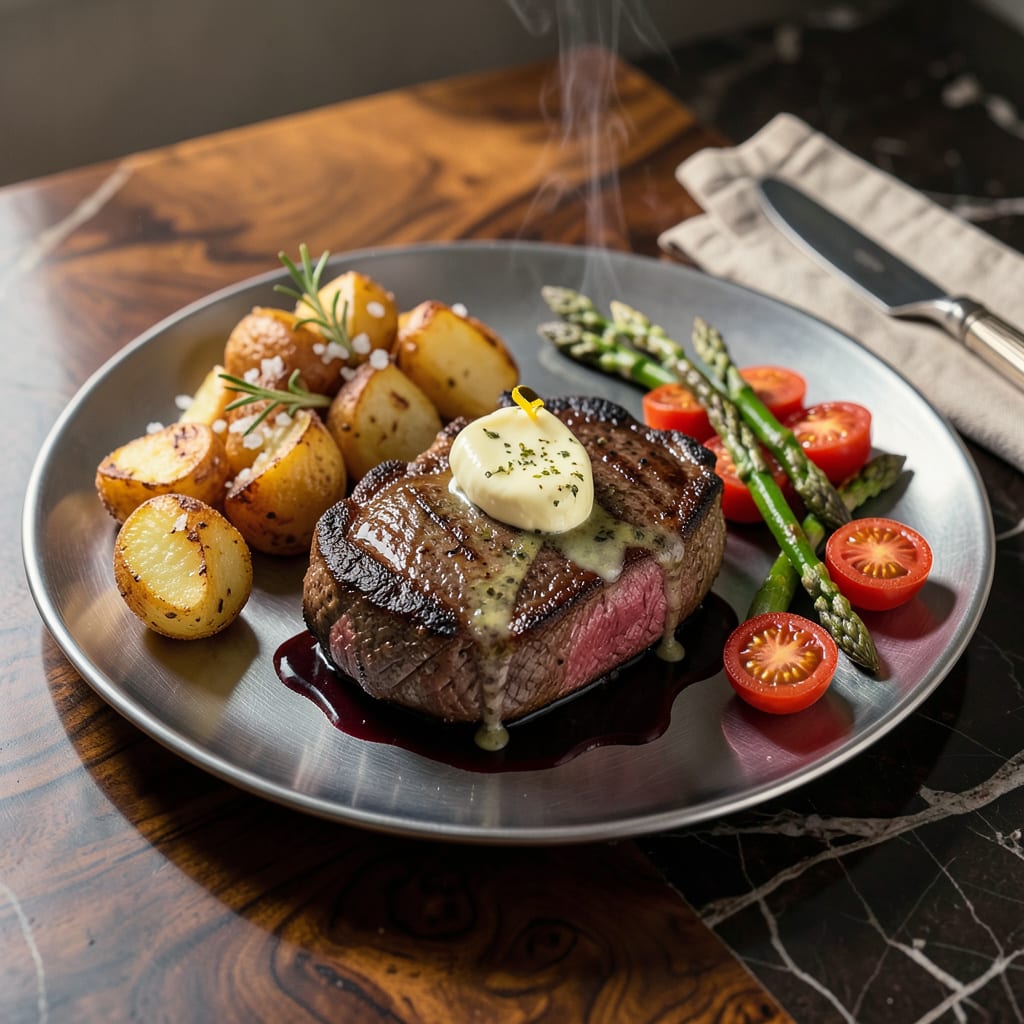
I’ll be real with you—I spent years thinking you needed a cast iron skillet to get that perfect steakhouse sear. Then one night, my trusty skillet was dirty, the craving hit, and I discovered stainless steel can deliver restaurant-quality results too. No fancy equipment required, just smart technique and a hot pan.
Here’s the thing—great steak is about temperature control and patience, not the pan. I’ve cooked ribeyes in stainless steel, reverse-seared sirloins in the oven, even used my air fryer in a pinch. The secret? Getting that pan screaming hot before the steak touches it, then letting the meat do its thing without constant fidgeting. You’ll get a crust so good you’ll question why anyone obsesses over cast iron.
By the time you pull that steak off the heat, you’ll have a perfectly seared exterior with juicy, tender meat inside—exactly the doneness you wanted. The aroma alone will have everyone gathering around the table before you’ve even had time to rest the meat. And yes, resting is non-negotiable (learned that the hard way).
Works with any cut—ribeye, filet, even budget-friendly flank steak. Pair it with garlic butter or keep it simple with salt and pepper. Either way, you’re about to make your best steak yet, and it won’t even involve scrubbing cast iron afterward.
📚 In This Guide
- What You’ll Need
- Instructions
- Tips and Common Mistakes
What Youll Need
- ● Steak: 1–2 cuts (1–1.5 inches thick), like ribeye, NY strip, or filet mignon (boneless for even cooking).
- ● Skillet: A heavy-bottomed stainless steel, carbon steel, or enamel-coated pan (10–12 inches wide). Avoid nonstick—it won’t sear well!
- ○ Oil: 1–2 tbsp high-smoke-point oil (avocado, grapeseed, or vegetable). Butter (2 tbsp) for basting (optional but divine!).
- ○ Seasonings: Coarse kosher salt (1 tsp per side) + freshly ground black pepper (½ tsp per side). Garlic powder or smoked paprika for extra flair (optional).
- ● Tools: Tongs (no forks—they pierce the meat!)
- ● Meat thermometer (highly recommended for precision).
- ● Paper towels (to pat the steak very dry).
- ● Aluminum foil or a plate (for resting).
- ○ Extras (optional but handy): Fresh herbs (thyme, rosemary) or crushed garlic cloves for basting.
- ● Lemon wedges or flaky sea salt for finishing.
Instructions for Perfect Steak Without Cast Iron
You don’t need fancy equipment to get that restaurant-quality sear and juicy interior. Here’s how to do it right.
Choose and Prepare Your Steak
Start with the right cut – I recommend ribeye, New York strip, or filet mignon about 1-1½ inches thick. Thinner cuts cook too quickly and are harder to get right. Pat the steak completely dry with paper towels – any moisture will prevent proper browning.
Let the steak sit at room temperature for 30-45 minutes before cooking. This ensures even cooking from edge to center. While it rests, season generously with kosher salt and freshly ground black pepper on both sides – don’t be shy, you want a visible crust of seasoning.
Select and Heat Your Alternative Skillet
For best results, use a stainless steel skillet or heavy-bottomed aluminum pan. These conduct heat well and can handle high temperatures. Avoid nonstick pans – they can’t get hot enough for proper searing. Heat the pan over medium-high heat for 5 minutes until it’s screaming hot.
Add 2 tablespoons of high-smoke-point oil like vegetable or avocado oil. You’ll know it’s ready when the oil shimmers and you see faint wisps of smoke. Tilt the pan to coat the bottom evenly. This is your moment – don’t walk away or the pan will get too hot.
Master the Perfect Sear
Lay the steak in the pan away from you to avoid oil splatter. You should hear an immediate, aggressive sizzle – if you don’t, your pan isn’t hot enough. Let it cook undisturbed for 2-3 minutes until a deep golden crust forms. Resist the urge to peek or move it.
Flip the steak using tongs (never a fork – it pierces the meat) and cook another 2-3 minutes. For medium-rare, you’re looking for an internal temperature of 130-135°F. Use an instant-read thermometer inserted sideways into the thickest part. The steak will continue cooking as it rests.
Add Butter and Aromatics for Flavor
Reduce heat to medium and add 2 tablespoons butter, 2 crushed garlic cloves, and 2 sprigs of fresh thyme or rosemary. Tilt the pan slightly and spoon the melted butter over the steak continuously for 1-2 minutes. This basting technique adds incredible flavor and helps cook the sides.
For the final touch, hold the steak with tongs and sear the fat cap (the edge) for 30 seconds until it’s crispy. The butter should be nutty brown but not burned – if it starts smoking, remove the pan from heat immediately.
Rest and Serve for Maximum Juiciness
Transfer the steak to a cutting board or warm plate and let it rest uncovered for 5-10 minutes. This crucial step allows the juices to redistribute throughout the meat. If you cut into it too soon, all those delicious juices will spill out onto your cutting board.
Slice against the grain into ½-inch thick pieces. The interior should be rosy pink with a perfectly browned crust. Serve immediately while still warm. Each bite should deliver that ideal combination of crispy exterior and tender, juicy interior that makes a perfect steak.
Tips and Common Mistakes for Perfect Steak Without Cast Iron
Getting that restaurant-quality sear without cast iron is all about technique. Here’s what I’ve learned from years of perfecting this method.
The Temperature Factor: That 30-45 minutes at room temperature before cooking isn’t just a suggestion – it’s critical. Cold meat cooks unevenly, leaving you with a gray band between the crust and center. I’ve ruined steaks by skipping this step, and now I set a timer to remind myself. The difference is night and day in both texture and flavor distribution.
Heat Control: When you’re heating your stainless steel skillet over medium-high heat for those 5 minutes, don’t walk away. The moment you see faint wisps of smoke from the oil, you’re ready. If you wait until it’s billowing, your pan is too hot and you’ll burn the butter later. I test by flicking a drop of water in – it should dance and evaporate instantly.
Basting Technique: During those 1-2 minutes of butter basting in Step 4, continuously spoon that golden liquid over the steak. Don’t just let it sit in the pan. The garlic and herbs infuse into the butter, creating layers of flavor with each pass. I like to tilt the pan toward me to pool the butter, making it easier to collect with the spoon.
Resting Wisdom: Those 5-10 minutes of resting time aren’t just for show. The steak’s internal temperature will rise about 5-10°F during this time, bringing it to that perfect 135°F medium-rare. If you cut into it early, you’ll lose all those precious juices you worked so hard to develop.
Pro Tips for Cook A Steak Without A Cast Iron Skillet
- Getting that restaurant-quality sear without cast iron is all about technique. Here’s what I’ve learned from years of…
- The Temperature Factor: That 30-45 minutes at room temperature before cooking isn’t just a suggestion – it’s critical…
- Heat Control: When you’re heating your stainless steel skillet over medium-high heat for those 5 minutes, don’t walk …
Frequently Asked Questions
Can I use a nonstick pan instead of cast iron for steak?
Yes! A nonstick pan works, but avoid high heat (medium-high max) to prevent damaging the coating. Preheat it well and use a little oil. You won’t get the same crust as cast iron, but it’ll still be juicy. Pro tip: Pat the steak very dry first for better browning!
How long should I cook a 1-inch steak in a stainless steel pan?
For medium-rare, sear 3–4 minutes per side on medium-high heat, then rest 5–10 minutes. Use a meat thermometer (130–135°F internal temp). Thicker cuts? Add 1–2 minutes per side. Timing varies by heat—watch for a golden crust!
What’s the best oil for cooking steak without cast iron?
High-smoke-point oils like avocado, grapeseed, or refined olive oil work best. Avoid butter alone (it burns). For extra flavor, add a pat of butter at the end with garlic and herbs. Smoke = flavor, but don’t let it overpower!
Why is my steak tough or chewy when I cook it in a regular pan?
Overcooking or uneven heat is usually the culprit. Let the steak reach room temp before cooking, and don’t overcrowd the pan. Slice against the grain when serving. Resting is key—it redistributes juices!
Can I broil a steak if I don’t have a skillet?
Place the steak on a wire rack over a baking sheet, 3–4 inches from the broiler. Cook 4–6 minutes per side for medium-rare (watch closely!). Broiling mimics searing—just flip once!
Who says you need a cast iron skillet to nail a juicy, restaurant-worthy steak? 🥩✨ With the right technique—and a little confidence—your trusty stainless steel or non-stick pan can deliver serious flavor and that coveted crust. Whether you’re working with a budget-friendly skillet or just making do, the secret lies in heat control, patience, and a good rest.
Now that you’ve got the know-how, why not put it to the test? Grab your favorite cut, fire up the stove, and treat yourself (or someone special) to a steakhouse experience at home. Tag us in your sizzling success—we’d love to see your masterpiece! 📸🔥

Trained in classic French technique but raised on slow-cooked ribs and spicy rubs, she blends culinary skill with smoke and soul.
- Recipe for Boneless Pork Chops in Cast Iron Skillet: Sear and Baste to Juicy Perfection - October 3, 2026
- Recipe for Boneless Cross Rib Roast: Slow-Roasted Beef with Herb Crust - October 3, 2026
- Hamburgers in Sauce Recipe Crock Pot: Slow-Cooked Savory Delight - October 3, 2026