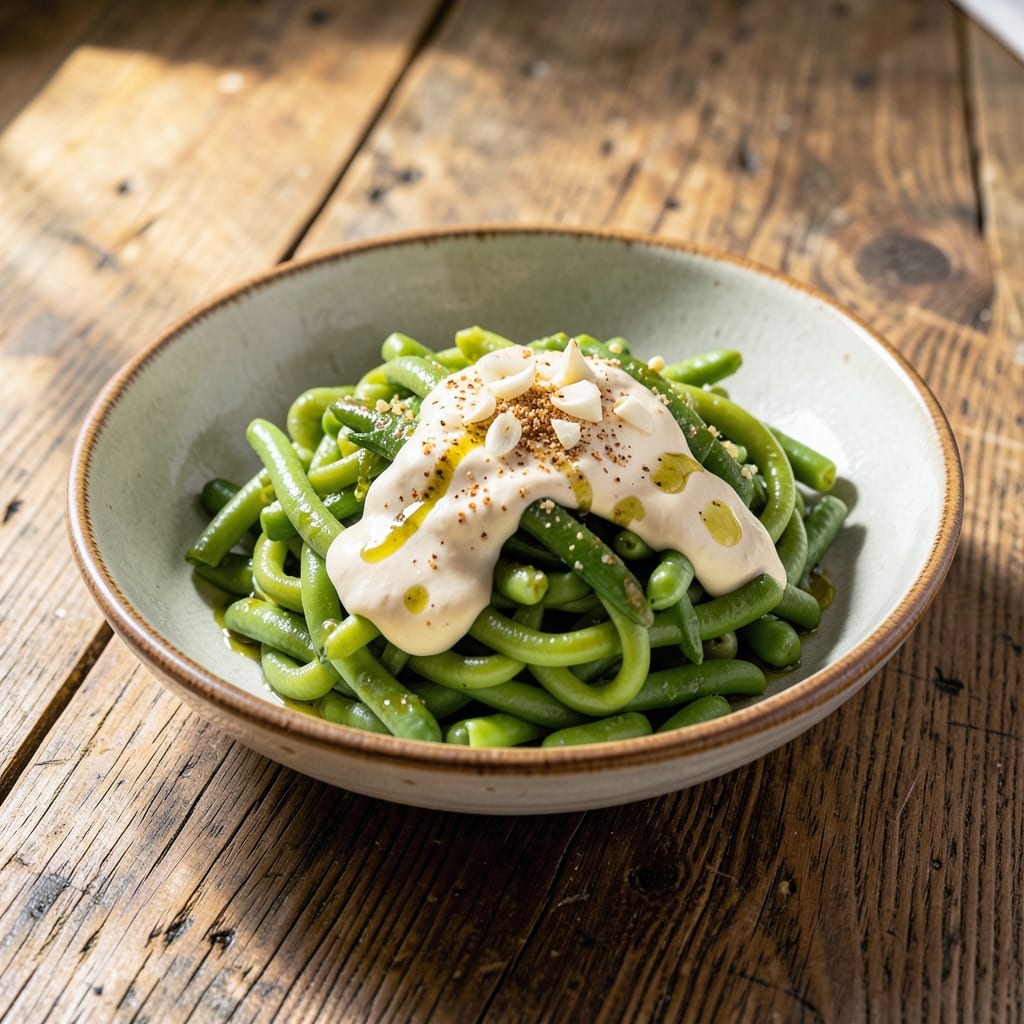
This plant-based dinner redefines what vegan pasta can be—rich, satisfying, and packed with protein. I developed this method after realizing most edamame pasta recipes missed the mark on texture and flavor.
The key is cooking the pasta just until al dente and pairing it with a creamy, vegan-friendly sauce that clings to every bite. Simple ingredients come together in 20 minutes for a dish that’s as nutritious as it is delicious.
You’ll get a bowl of vibrant green pasta with a sauce so velvety and flavorful, it’s hard to believe it’s dairy-free. The edamame adds a subtle nuttiness that pairs perfectly with fresh herbs and garlic.
Perfect for busy weeknights or meal prep. This is how to make plant-based eating effortless.
Ingredients for Edamame Pasta Recipe Vegan
Vibrant green pasta meets a velvety, protein-packed sauce. Simple, fresh, and totally plant-based.
| Ingredient | Amount | Notes |
|---|---|---|
| Edamame Pasta 🫛 | 12 oz | Dried, high-protein variety |
| Extra-Virgin Olive Oil 🫒 | 3 tbsp | Divided for cooking and sauce |
| Garlic Cloves 🧄 | 4 cloves | Minced for maximum flavor |
| Raw Cashews 🥜 | ½ cup | Soaked for creaminess |
| Nutritional Yeast 🧂 | 3 tbsp | For cheesy, umami depth |
| Lemon Juice 🍋 | 2 tbsp | Freshly squeezed for brightness |
| White Miso Paste 🥣 | 1 tbsp | Adds savory complexity |
| Fresh Basil Leaves 🌿 | ½ cup | Packed, thinly sliced |
| Fresh Spinach 🥬 | 2 cups | Baby spinach, loosely packed |
| Sea Salt 🧂 | 1 tsp | Fine grain, adjust to taste |
| Black Pepper 🌶️ | ½ tsp | Freshly ground preferred |
| Red Pepper Flakes 🔥 | ¼ tsp | Optional for heat |
| Water 💧 | ½ cup | For blending sauce |
[recipe_ingredient_scaler]
The edamame pasta is the star here. Banza or Barilla brands have the best texture—avoid the mushy ones. Look for 100% edamame flour on the label if you want maximum protein. Cashews are key for that creamy sauce, so Trader Joe’s or Costco are my go-tos for bulk buys. Fresh basil and spinach should be bright green, no wilt (the good stuff, not the pre-washed kind that’s been sitting for weeks).
No cashews? Raw sunflower seeds or silken tofu work in a pinch. Out of nutritional yeast? Vegan Parmesan or white miso can boost umami at half the amount. Spinach hater? Swap for kale or arugula—just blanch it first. The lemon juice is non-negotiable though (trust me on this—it balances the richness).
Sauce keeps in the fridge for 3-4 days in a sealed jar. Pasta’s best fresh, but leftovers reheat well with a splash of water. Freeze sauce portions in ice cube trays for up to 3 months (worth the extra minute).
Why You’ll Love This Recipe
- One Pot Wonder: This comes together in a single pan—boil the edamame pasta, then toss with olive oil, garlic, and cashews while it’s still hot.
- Garlicky Cashew Magic: The toasted cashews and garlic in olive oil make a rich, nutty sauce that clings perfectly to the pasta.
- Meal Prep Hero: I make a big batch on Sunday and it keeps beautifully for 4 days—still tastes fresh reheated with a splash of water.
- Budget-Friendly Protein: Edamame pasta packs plant-based protein, and a bag of cashews stretches across multiple meals.
Step-by-Step Instructions for Edamame Pasta
This method ensures a creamy, protein-rich dish with minimal effort and maximum flavor.
Step 1: Cook the Edamame Pasta to Al Dente
Bring a large pot of salted water to a rolling boil. Add the 12 oz Edamame Pasta and cook according to package instructions minus 1 minute—you want it slightly underdone. Edamame pasta cooks faster than traditional pasta, so start testing at 5 minutes.
Drain the pasta, reserving ½ cup of the starchy cooking water. Rinse briefly under cold water to stop the cooking process and prevent sticking. Toss with 1 tbsp Extra-Virgin Olive Oil to keep it from clumping while you prepare the sauce.
Step 2: Blend the Creamy Cashew Sauce Base
Drain the soaked ½ cup Raw Cashews and add them to a high-speed blender along with the ½ cup Water, 1 tbsp White Miso Paste, 2 tbsp Lemon Juice, and 3 tbsp Nutritional Yeast. Blend on high for 1-2 minutes until completely smooth and creamy.
Taste and adjust seasoning—add a pinch of the 1 tsp Sea Salt and ½ tsp Black Pepper if needed. The sauce should be thick but pourable. If it’s too thick, blend in a splash more water. The miso adds a deep umami flavor, while the nutritional yeast gives it that cheesy character.
Step 3: Sauté the Aromatics
Heat the remaining 2 tbsp Extra-Virgin Olive Oil in a large skillet over medium heat. Add the minced 4 cloves Garlic Cloves and ¼ tsp Red Pepper Flakes, sautéing for 30-45 seconds until the garlic is fragrant but not browned.
Add the 2 cups Fresh Spinach and cook for 1-2 minutes until just wilted. Spinach wilts quickly, so keep an eye on it—you want it tender but still bright green. Stir in the ½ cup Fresh Basil Leaves at the end, just to warm through and release their aroma.
Step 4: Combine Everything for the Final Dish
Reduce the heat to low and pour the creamy cashew sauce into the skillet with the spinach and garlic. Stir well to combine, then add the cooked edamame pasta. Toss everything together, adding reserved pasta water 1-2 tbsp at a time until the sauce coats the pasta evenly.
Let it simmer for 1-2 minutes to allow the flavors to meld. The pasta should be tender and fully coated in the rich, velvety sauce. Taste one last time and adjust the seasoning with more Sea Salt or Black Pepper if needed.
Pro Tips For Making Edamame Pasta Recipe Vegan
- Soak the Cashews: I learned this the hard way—soak raw cashews in hot water for at least 15 minutes before blending to guarantee a silky sauce. Cold water works too, but give it 2+ hours.
- Salt the Pasta Water: Sounds obvious, but I was skeptical until I tried it: use 1 tablespoon of salt per 4 cups of water for the edamame pasta. It actually changes the outcome of the whole dish.
- Low and Slow Garlic: Cook the minced garlic in olive oil over medium-low heat for 1-2 minutes max. After burning three batches, I finally figured out that high heat makes it bitter.
- Toast the Nooch: Lightly toast the nutritional yeast in a dry pan for 30 seconds before adding to the sauce—it deepens the flavor and makes a real difference. Yes, even if you’re impatient like me.
Storing and Reheating This Recipe
Refrigerator Storage
Let this dish cool completely at room temperature for no more than 2 hours before storing. Transfer to airtight containers and refrigerate at 40°F or below for up to 4 days. I love using glass containers—easier to reheat and clean. ❄️
Freezer Storage
For longer storage, freeze the pasta and sauce separately in quart-sized freezer bags. Squeeze out excess air to prevent freezer burn. The sauce freezes beautifully for up to 3 months, while the pasta is best used within 2 months for optimal texture.
Stovetop Reheating
This is my preferred method. Add the pasta and sauce to a skillet with 2-3 tbsp water or vegetable broth over medium-low heat. Stir frequently for 5-7 minutes until heated through. The added liquid prevents sticking and restores creaminess. 🔥
Microwave Reheating
Place a single portion in a microwave-safe dish, sprinkle with 1 tbsp water, and cover with a damp paper towel. Heat on 70% power for 2-3 minutes, stir, then continue in 30-second intervals until reaching 165°F.
Sauce-Only Storage
The cashew sauce keeps well on its own. Store in a sealed jar in the fridge for up to 5 days. For freezer storage, portion into ice cube trays—once frozen, transfer to a bag for easy single-serving use. Thaw overnight in the fridge before using.
Nutrition Facts
Frequently Asked Questions
Can I use a different type of pasta?
Yes, but adjust cooking times. Chickpea or lentil pasta work well, but may need 1-2 minutes longer to reach al dente. Avoid regular wheat pasta as it won’t hold up as well with the creamy sauce.
How do I make the sauce without a blender?
Soak the cashews in hot water for 15 minutes to soften, then mash with a fork. Mix in other sauce ingredients until smooth. For best results, a blender is ideal, but this method works in a pinch.
Can I make this sauce nut-free?
Replace cashews with ½ cup silken tofu or ¼ cup sunflower seeds. Both blend smoothly and provide a similar creamy texture. Adjust seasoning to taste.
Why does my pasta turn mushy?
Edamame pasta overcooks quickly. Always cook for 1 minute less than package instructions and rinse under cold water immediately. Stirring frequently while reheating also helps maintain texture.

Trained in classic French technique but raised on slow-cooked ribs and spicy rubs, she blends culinary skill with smoke and soul.
- Recipe for Boneless Pork Chops in Cast Iron Skillet: Sear and Baste to Juicy Perfection - October 3, 2026
- Recipe for Boneless Cross Rib Roast: Slow-Roasted Beef with Herb Crust - October 3, 2026
- Hamburgers in Sauce Recipe Crock Pot: Slow-Cooked Savory Delight - October 3, 2026