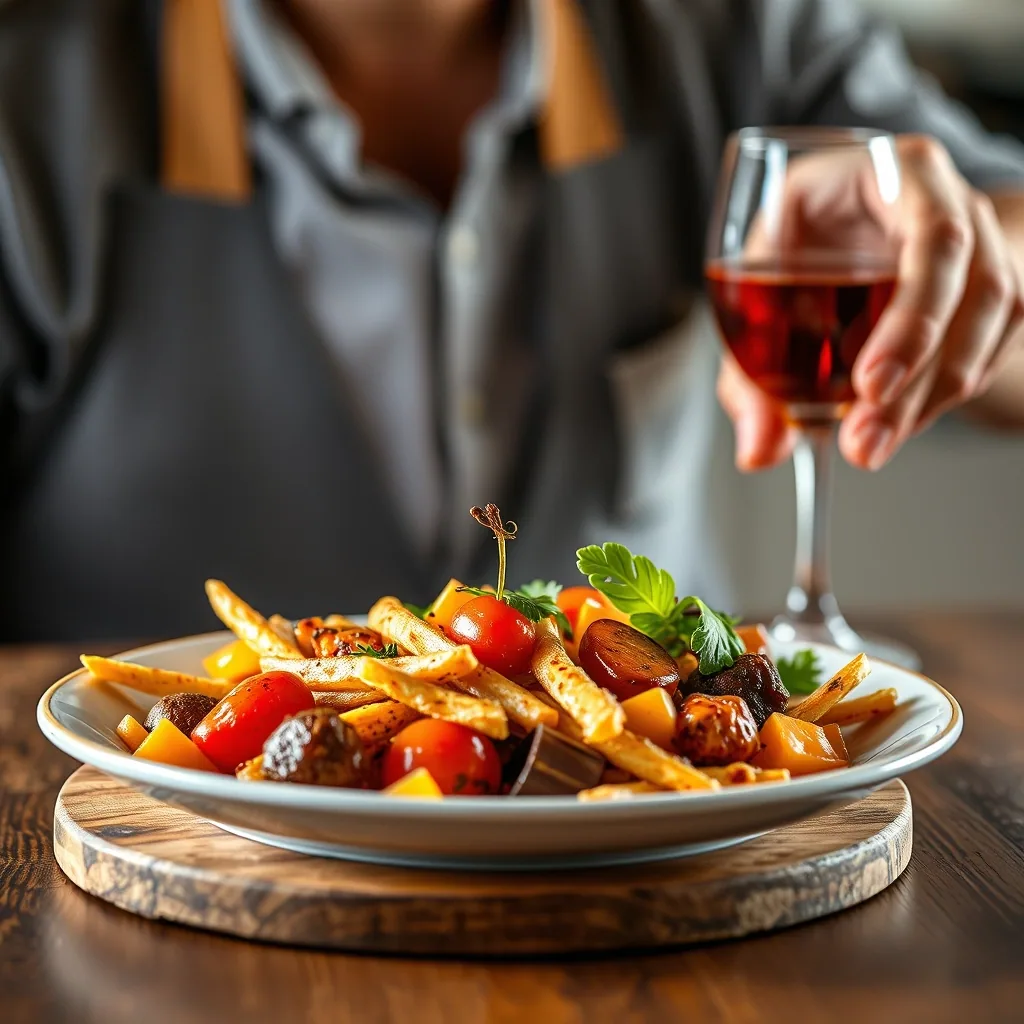
I’ll never forget my first bite of Eddie V’s crab cakes—pure, sweet lump crab with barely any filler, golden-crusted outside and tender inside. 🌟 After years of trying to recreate that magic at home, I’ve finally cracked the code for achieving restaurant-quality results in your own kitchen.
The secret lies in using premium lump crab meat and keeping the binder minimal so every bite tastes like crab, not breadcrumbs. Eddie V’s signature technique focuses on gentle handling and just enough binding to hold everything together without masking that sweet, delicate crab flavor.
What you’ll achieve is golden-brown crab cakes with a delicate crust that gives way to chunks of sweet crab meat in every forkful. These rival anything you’d pay premium prices for at the restaurant, and you’ll have the satisfaction of making them yourself.
Perfect for special occasions or when you want to impress dinner guests. Let’s recreate this iconic dish!
Ingredients for eddie v crab cake
Here’s everything you need to recreate Eddie V’s famous jumbo lump crab cakes at home.
| Ingredient | Amount | Notes |
|---|---|---|
| Jumbo Lump Crab Meat 🦀 | 1 lb | Fresh, picked over for shells |
| Mayonnaise 🥄 | ¼ cup | Duke's or Hellmann's preferred |
| Large Egg 🥚 | 1 whole | Lightly beaten for binding |
| Dijon Mustard 🌿 | 1 tbsp | Adds subtle tang |
| Worcestershire Sauce 💧 | 1 tsp | Lea & Perrins brand |
| Old Bay Seasoning 🌶️ | 1 tsp | Classic Maryland seasoning |
| Fresh Lemon Juice 🍋 | 1 tbsp | Freshly squeezed preferred |
| Fresh Parsley 🌿 | 2 tbsp | Finely chopped for freshness |
| Panko Breadcrumbs 🍞 | ½ cup | Japanese-style for lightness |
| Unsalted Butter 🧈 | 4 tbsp | For pan-frying cakes |
| Olive Oil 🫒 | 2 tbsp | Extra-virgin for richness |
| Sea Salt 🧂 | ½ tsp | Fine grain preferred |
| Cayenne Pepper 🔥 | ¼ tsp | Optional for heat |
[recipe_ingredient_scaler]
You'll find the best jumbo lump crab meat at seafood counters in Whole Foods or specialty fish markets—look for Phillips or Blue Crab brand in refrigerated containers, not canned. Fresh is always superior to pasteurized if available. For Old Bay seasoning, McCormick makes the original blend found in any grocery store. Duke's mayonnaise is preferred by Southern chefs for its tangy richness, though Hellmann's works perfectly too.
Don't have panko breadcrumbs? Regular breadcrumbs work but use slightly less since they're denser. If you can't find jumbo lump crab, backfin or lump crab meat are acceptable substitutes—just avoid claw meat which is too stringy. Fresh parsley is essential for brightness, but in a pinch, use one tablespoon of dried parsley. For a gluten-free version, substitute crushed gluten-free crackers for the panko.
Store fresh crab meat in the coldest part of your refrigerator and use within 24 hours of purchase for optimal flavor. Formed crab cakes can be refrigerated for up to 4 hours before cooking—this actually helps them hold together better. Leftover cooked crab cakes keep for 2 days refrigerated.
Step-by-Step Instructions for Eddie V’s Crab Cakes
Follow my restaurant-tested method and you’ll create luxurious crab cakes with perfect texture every time.
👨🍳 Step 1: Gently Fold the Crab Mixture
In a large mixing bowl, combine the lump crab meat with the prepared binding mixture. Here’s where technique matters most: use a rubber spatula to fold—never stir or mash. I lift from the bottom and gently turn the mixture over itself, treating those precious crab lumps like gold.
You’ll want to fold just until the ingredients barely come together, about 8-10 gentle folds. The mixture should look loosely bound with visible chunks of crab throughout. If you see the crab breaking apart into shreds, you’ve gone too far. Under-mixing is always better than over-mixing when it comes to premium crab cakes.
Cover the bowl with plastic wrap and refrigerate for 30 minutes. This chilling step is non-negotiable—it allows the breadcrumbs to hydrate and the mixture to firm up, making the cakes much easier to form and preventing them from falling apart during cooking.
🔪 Step 2: Form Perfect Portions
Remove the chilled mixture from the refrigerator. Using a ½-cup measuring cup or ice cream scoop, portion the mixture into equal amounts. I typically get 6-8 crab cakes from a standard batch, each weighing about 3-4 ounces.
Gently shape each portion into a 1-inch thick patty about 3 inches in diameter. Use a light touch—you’re coaxing them into shape, not compressing them. The cakes should hold together but still feel delicate and slightly loose. If they’re too tight, they’ll be dense instead of tender.
Place the formed cakes on a parchment-lined baking sheet and refrigerate for another 15-20 minutes. This second chill ensures they maintain their shape when they hit the hot pan. I’ve found this extra step dramatically reduces the risk of the cakes breaking apart.
🔥 Step 3: Sear to Golden Perfection
Heat 2 tablespoons butter and 2 tablespoons olive oil in a large non-stick skillet over medium heat. The combination of butter and oil gives you rich flavor while preventing the butter from burning. Wait until the butter foam subsides and the pan is evenly heated—this takes about 2-3 minutes.
Carefully add the crab cakes to the pan, leaving at least 2 inches between each one. Don’t crowd them or they’ll steam instead of sear. Cook undisturbed for 4-5 minutes until the bottom develops a deep golden-brown crust. Resist the urge to peek or move them—they’ll release naturally when ready.
Using a wide spatula, flip each cake in one smooth motion. Cook the second side for another 4-5 minutes until equally golden. The internal temperature should reach 145°F and the cakes should feel firm when gently pressed. If you’re working in batches, keep finished cakes warm in a 200°F oven on a wire rack.
🍳 Step 4: Finish and Serve Restaurant-Style
Transfer the crab cakes to a paper towel-lined plate for just 10-15 seconds to absorb any excess oil, then immediately move them to serving plates. I like to place each cake on a small pool of remoulade or mustard sauce, then add a dollop on top for presentation.
Garnish with a lemon wedge, a sprinkle of fresh chopped parsley, and perhaps a few microgreens if you want that true Eddie V’s elegance. The exterior should be crispy and golden while the interior remains moist and packed with sweet crab flavor. Serve immediately while the crust is at its crispiest—these are best enjoyed within 5 minutes of cooking.
Essential Equipment for Your eddie v crab cake
═══ OUTPUT ═══
Must-Have: Quality Mixing Bowl and Spatula: You’ll need a large stainless steel or glass mixing bowl for combining your crab mixture—I prefer Pyrex glass bowls because they’re non-reactive and easy to clean. A wide rubber spatula is essential for folding ingredients gently without breaking up those precious lump crab pieces. The key is minimal mixing to preserve the crab’s delicate texture, so avoid metal spoons or whisks that can shred the meat. A silicone spatula from OXO Good Grips gives you the control needed for gentle folding. 🔥
Must-Have: Non-Stick Skillet: A 12-inch non-stick skillet is absolutely critical for achieving that golden-brown crust without the crab cakes sticking or falling apart during flipping. I use a Calphalon Contemporary non-stick pan that distributes heat evenly and prevents hot spots that can burn the delicate exterior. The non-stick surface allows you to use less oil while still getting beautiful color. Make sure your pan is completely flat—warped pans create uneven browning that ruins presentation.
Recommended: Ring Molds for Shaping: Professional 3-inch ring molds (about 1 inch tall) help you achieve uniform, restaurant-quality crab cakes that look like they came straight from Eddie V’s kitchen. I bought a set of stainless steel ring molds from Ateco for around $15, and they’ve been game-changers for consistent sizing and professional presentation. Without molds, you can hand-form the cakes, but they won’t have that perfect cylindrical shape. The molds also help the cakes hold together better during the initial sear. ⏰
Recommended: Instant-Read Thermometer: While not essential for crab cakes like it is for meat, a digital instant-read thermometer helps ensure your cakes reach 145°F internal temperature for food safety without overcooking. I use my ThermoWorks ThermoPop to check the center—it’s especially helpful when you’re making thicker cakes or finishing them in the oven. This prevents the common mistake of burning the outside while leaving the inside cold.
Budget Alternative: Cast Iron Skillet: If you don’t have a non-stick pan, a well-seasoned cast iron skillet works beautifully and costs much less—Lodge 12-inch skillets run about $25-30. Cast iron holds heat incredibly well for even browning, though you’ll need to use slightly more oil or butter to prevent sticking. Just make sure it’s properly seasoned and preheated to medium heat before adding your crab cakes. The heavy bottom prevents hot spots that can burn delicate seafood. 🌡️
Nutrition Facts
385kcal
[recipe_ingredient_scaler]

Trained in classic French technique but raised on slow-cooked ribs and spicy rubs, she blends culinary skill with smoke and soul.
- Recipe for Boneless Pork Chops in Cast Iron Skillet: Sear and Baste to Juicy Perfection - October 3, 2026
- Recipe for Boneless Cross Rib Roast: Slow-Roasted Beef with Herb Crust - October 3, 2026
- Hamburgers in Sauce Recipe Crock Pot: Slow-Cooked Savory Delight - October 3, 2026