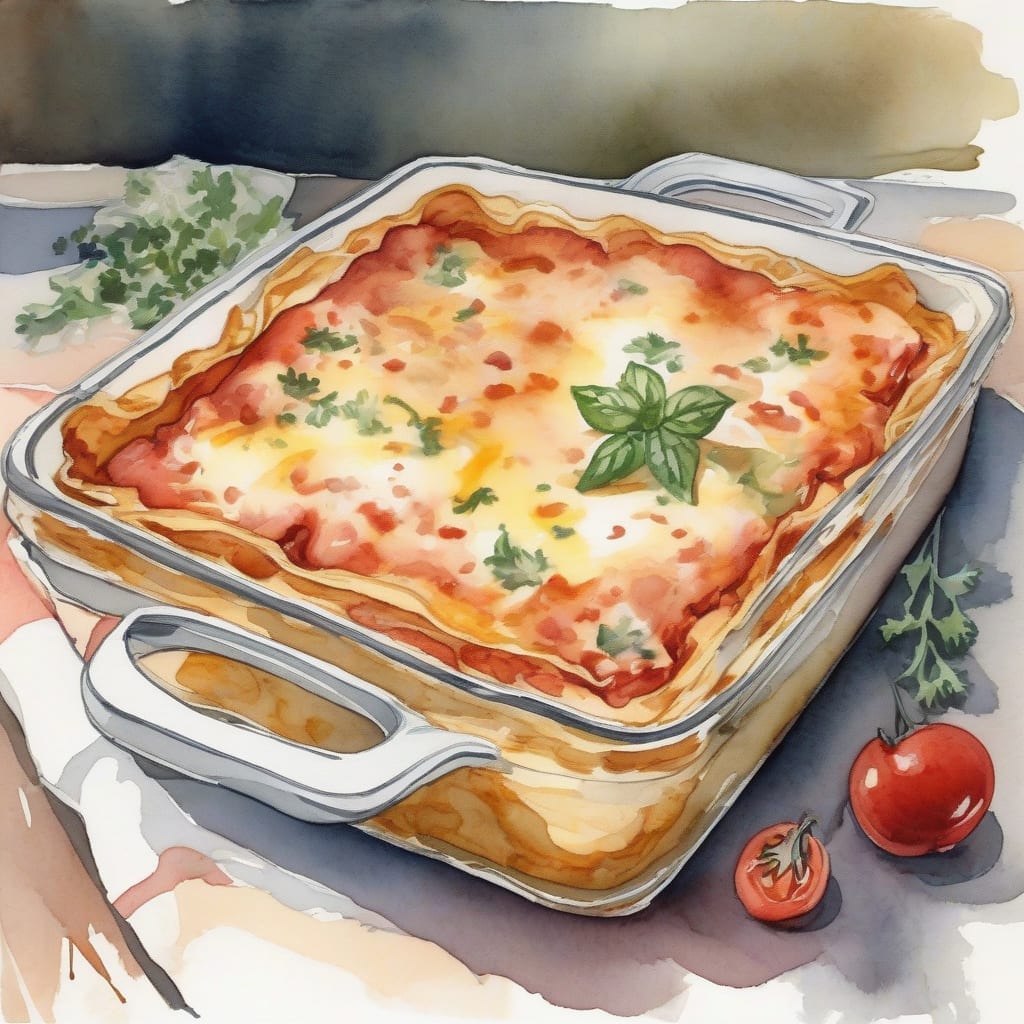
I stumbled upon German lasagna during a trip to Bavaria, and it completely changed how I think about this comfort food classic. 🇩🇪 Instead of traditional Italian ingredients, this version uses hearty German flavors—think sauerkraut, bratwurst, and creamy béchamel with a hint of caraway. It’s the perfect fusion of two beloved cuisines.
What makes this recipe special is how those bold German flavors layer together into something surprisingly harmonious. The tangy sauerkraut cuts through rich cheese, while seasoned bratwurst adds savory depth that Italian sausage just can’t match. I’ve served this at dinner parties where it steals the show every single time.
By the time it comes out of the oven, you’ll have bubbling, golden lasagna with layers of tender noodles, flavorful meat, tangy kraut, and creamy cheese sauce. The aroma alone—a mix of caramelized onions, caraway, and melted cheese—will have everyone gathered in the kitchen asking when dinner’s ready.
This hearty dish feeds a crowd and tastes even better the next day. Let’s build those delicious layers!
Ingredients for german lasagna
Here’s everything you need to create this hearty fusion of German flavors and Italian comfort.
| Ingredient | Amount | Notes |
|---|---|---|
| Lasagna Noodles 🍝 | 12 sheets | No-boil or cooked al dente |
| Bratwurst 🌭 | 1 ½ lb | Casings removed, crumbled |
| Sauerkraut 🥬 | 2 cups | Drained and squeezed dry |
| Yellow Onion 🧅 | 1 whole | Large, diced for caramelizing |
| Garlic Cloves 🧄 | 4 cloves | Minced for depth |
| Butter 🧈 | 4 tbsp | Unsalted for béchamel |
| All-Purpose Flour 🌾 | ¼ cup | For thickening sauce |
| Whole Milk 🥛 | 3 cups | Warmed for smooth sauce |
| Gruyere Cheese 🧀 | 2 cups | Shredded from block |
| Caraway Seeds 🌿 | 1 tsp | Toasted for authentic flavor |
| Dijon Mustard 🍯 | 2 tbsp | Adds tangy depth |
| Salt 🧂 | 1 tsp | Kosher or sea salt |
| Black Pepper 🌶️ | ½ tsp | Freshly ground preferred |
| Fresh Parsley 🌿 | ¼ cup | Chopped for garnish |
[recipe_ingredient_scaler]
You can find bratwurst at most grocery stores in the sausage section, but German delis or butcher shops like Schaller & Weber offer superior quality with authentic seasoning. For sauerkraut, look for refrigerated varieties at Trader Joe's or Whole Foods—they taste fresher than canned versions. Gruyere cheese is available at any well-stocked deli counter; ask them to shred it fresh if you're short on time. Caraway seeds are in the spice aisle, but bulk bins offer better freshness.
Don't have bratwurst? Substitute Italian sausage mixed with a pinch of caraway and nutmeg for similar depth. If Gruyere is too pricey, Swiss cheese or fontina work beautifully—just avoid pre-shredded bags that don't melt as smoothly. For the sauerkraut, rinse and drain it well to control tanginess; you want flavor, not overpowering sourness. No-boil lasagna noodles save time, but traditional noodles cooked al dente give better texture.
Store leftover sauerkraut in its brine in the fridge for up to 2 months. Keep Gruyere wrapped tightly in parchment paper then foil to prevent drying. Fresh parsley lasts up to 1 week in the crisper drawer wrapped in damp paper towels.
Step-by-Step Instructions for German Lasagna
I’ll guide you through building this hearty fusion dish layer by delicious layer.
🍳 Step 1: Brown the Bratwurst and Caramelize Onions
Heat a large skillet over medium-high heat and add the crumbled bratwurst (casings removed). Cook for 8-10 minutes, breaking it apart with a wooden spoon, until deeply browned and cooked through. The bratwurst should develop crispy, caramelized edges—this creates incredible depth of flavor.
Remove the bratwurst to a plate, leaving about 2 tablespoons of rendered fat in the pan. Reduce heat to medium and add the diced yellow onion. Cook for 12-15 minutes, stirring occasionally, until golden brown and softened. Add the minced garlic cloves and cook for 1 minute until fragrant. Return the bratwurst to the pan, stir in the drained sauerkraut and toasted caraway seeds, then set aside.
👨🍳 Step 2: Make the Gruyere Béchamel Sauce
In a medium saucepan, melt the butter over medium heat until foaming. Whisk in the all-purpose flour and cook for 2-3 minutes, stirring constantly, until the mixture turns light golden and smells nutty—this cooks out the raw flour taste.
Gradually pour in the warmed whole milk while whisking continuously to prevent lumps. Bring to a gentle simmer and cook for 5-7 minutes, whisking frequently, until the sauce thickens enough to coat the back of a spoon. Remove from heat and stir in 1.5 cups of the shredded Gruyere cheese, the Dijon mustard, salt, and black pepper. Whisk until the cheese melts completely into a smooth, creamy sauce.
🥘 Step 3: Assemble the Lasagna Layers
Preheat your oven to 375°F and lightly grease a 9×13-inch baking dish. Spread ½ cup of the béchamel sauce across the bottom of the dish to prevent sticking. Lay down 4 lasagna noodles, slightly overlapping if needed to cover the base completely.
Spread half of the bratwurst-sauerkraut mixture over the noodles, then pour one-third of the remaining béchamel sauce over top, spreading it evenly. Add another layer of 4 noodles, the remaining bratwurst mixture, and another third of the sauce. Top with the final 4 noodles and pour the remaining béchamel over everything, making sure to cover all the edges. Sprinkle the remaining ½ cup Gruyere cheese evenly across the top.
🔥 Step 4: Bake Until Golden and Bubbly
Cover the dish tightly with aluminum foil and bake for 30 minutes. Remove the foil and continue baking for an additional 15-20 minutes until the top is golden brown and the sauce is bubbling vigorously around the edges. The cheese should form a beautiful, slightly crispy crust.
Let the lasagna rest for 10-15 minutes before slicing—this allows the layers to set so your portions hold together perfectly. Garnish with the chopped fresh parsley just before serving. Each slice should reveal distinct layers of tender noodles, savory bratwurst, tangy sauerkraut, and creamy Gruyere sauce.
German lasagna puts a hearty spin on the Italian classic by swapping tomato sauce for silky béchamel and layering in Bavarian favorites like bratwurst, sauerkraut, and Emmental cheese. The result? A cozy, beer-hall-worthy casserole that practically begs for a cold Märzen on the side. 🍻
🥘 Ingredient Spotlight
Traditional lasagna noodles still form the scaffolding, but the filling is pure Deutschland: crumbled bratwurst browned with onions, a quick toss of mild sauerkraut (rinsed and squeezed dry so it adds tang without overwhelming), and a generous blanket of nutty Emmental. A whisper of caraway or mustard seed ties the flavors together and gives the dish that unmistakable German accent.
🔥 Make-Ahead Magic
Assemble the layers the night before; the noodles absorb the béchamel and the sausage seasonings mingle overnight. Slide it into the oven straight from the fridge—just add ten extra minutes under foil so it heats evenly. Leftovers reheat like a dream and taste even better the next day, making this a perfect Sunday-prep, Monday-feast option.
💡 Pro Tips
- Use a 50-50 mix of Emmental and Gouda for extra meltiness.
- Replace half the milk in the béchamel with a splash of German lager for subtle malty notes.
- Serve with a quick cucumber-dill salad to cut the richness—classic German contrast on a plate.
Whether you’re hosting Oktoberfest early or just craving comfort food with passport stamps, this German lasagna delivers layers of flavor that’ll have everyone asking for das Rezept. Guten Appetit!
Tips & Tricks for Perfect German Lasagna
These tried-and-tested tips will help you avoid common pitfalls and achieve perfect results.
Drain Sauerkraut Thoroughly: Before adding sauerkraut in Step 1, squeeze it firmly in a clean kitchen towel to remove excess liquid. Wet sauerkraut makes your lasagna watery and prevents proper layering. I also rinse mine under cold water first if I want a milder, less tangy flavor—this is especially helpful if you’re new to sauerkraut. 💡
Use No-Boil Noodles: Regular lasagna noodles work fine, but no-boil noodles are a game-changer for this recipe. They absorb moisture from the béchamel during baking, creating tender layers without the hassle of boiling a huge pot of water. If using traditional noodles, cook them until just al dente since they’ll continue softening in the oven.
Make-Ahead Strategy: You can assemble this entire lasagna up to 24 hours in advance and refrigerate it covered. When ready to bake, let it sit at room temperature for 30 minutes, then add 10 minutes to the covered baking time since it’s starting cold. The flavors actually deepen overnight, making this perfect for entertaining. 🔥
Prevent Dry Edges: During Step 3, make absolutely sure your béchamel sauce reaches all the way to the edges of the pan and covers every bit of pasta. Exposed noodle edges turn hard and crunchy during baking. I use a spatula to push sauce into the corners deliberately.
Nutrition Facts
485kcal
[recipe_ingredient_scaler]

Trained in classic French technique but raised on slow-cooked ribs and spicy rubs, she blends culinary skill with smoke and soul.
- Recipe for Boneless Pork Chops in Cast Iron Skillet: Sear and Baste to Juicy Perfection - October 3, 2026
- Recipe for Boneless Cross Rib Roast: Slow-Roasted Beef with Herb Crust - October 3, 2026
- Hamburgers in Sauce Recipe Crock Pot: Slow-Cooked Savory Delight - October 3, 2026