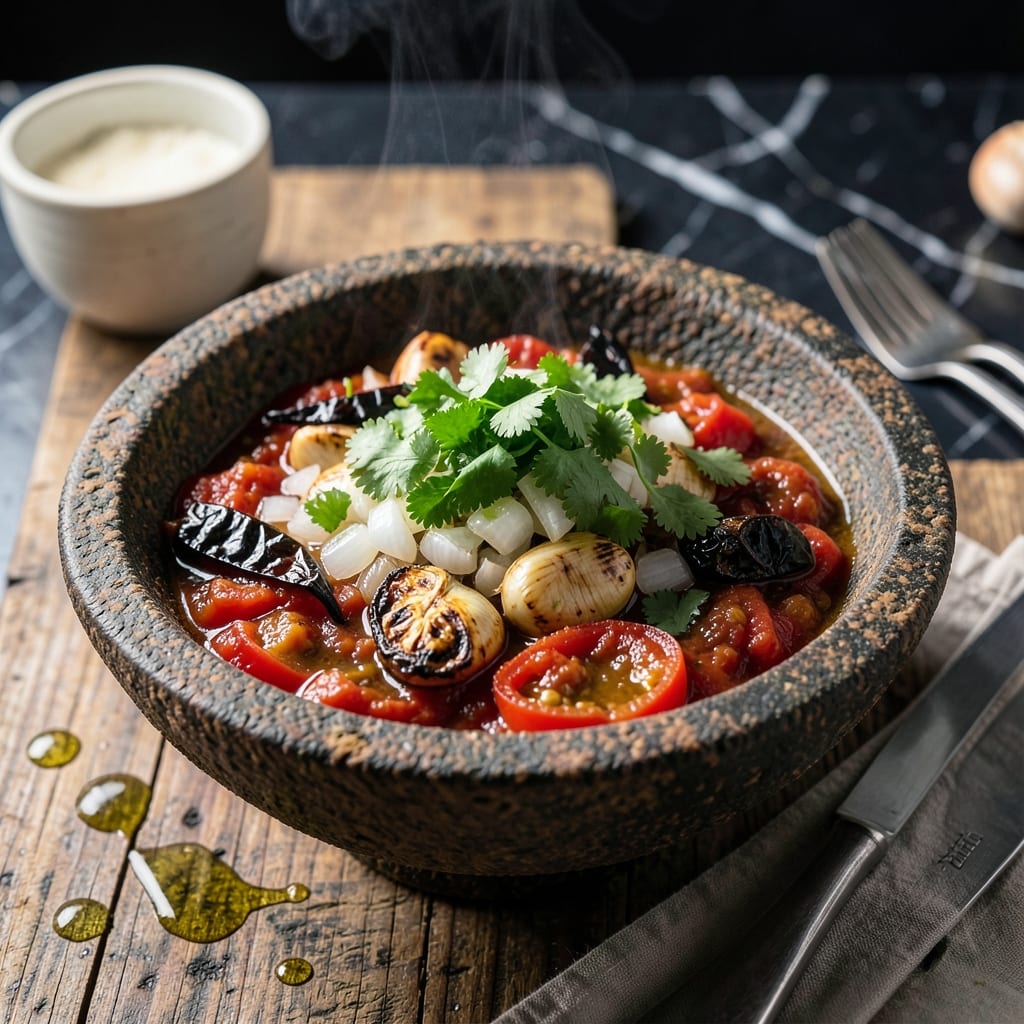
This salsa delivers the authentic Tex-Mex flavor that made El Fenix legendary. After years of testing, I’ve perfected the balance of tomatoes, peppers, and spices to match the restaurant’s signature taste.
The key is using fire-roasted ingredients for depth, then blending them just enough to keep some texture. A touch of cumin and lime brightens the flavor without overpowering the natural sweetness of the vegetables.
What you get is a vibrant, slightly smoky salsa that’s versatile enough for chips, tacos, or grilled meats. It tastes fresh out of the blender and even better after a day in the fridge.
Make a big batch—this disappears fast. Here’s how to bring that restaurant magic home.
Ingredients for El Fenix Salsa
Nine ingredients capture that legendary Tex-Mex flavor you crave at home.
| Ingredient | Amount | Notes |
|---|---|---|
| Fire-Roasted Tomatoes 🍅 | 2 cans | 14.5 oz each, undrained |
| Jalapeño Peppers 🌶️ | 3 whole | Seeds removed for milder heat |
| White Onion 🧅 | ½ whole | Roughly chopped, fire-roasted |
| Garlic Cloves 🧄 | 4 cloves | Peeled, fire-roasted |
| Fresh Cilantro 🌿 | ½ cup | Stems removed, chopped |
| Fresh Lime Juice 🍋 | 3 tbsp | About 1-2 limes |
| Ground Cumin 🌿 | 1 tsp | Toasted for depth |
| Kosher Salt 🧂 | 1 ½ tsp | Adjust to taste |
| Granulated Sugar 🍚 | ½ tsp | Balances acidity |
[recipe_ingredient_scaler]
The fire-roasted base is non-negotiable—canned San Marzano fire-roasted tomatoes save time without sacrificing flavor. I grab mine at HEB or Central Market; their house brands are solid. For the jalapeños, pick firm ones with vibrant green skin. If you’re sensitive to heat, wear gloves when prepping. The onion and garlic get roasted alongside the peppers for that smoky depth.
No fresh cilantro? Flat-leaf parsley at half the amount works in a pinch (though the flavor shifts slightly). Short on time? Pre-roasted peppers from a jar cut 10 minutes off prep. The cumin is key—if yours is dusty, toast whole seeds and grind fresh. Lime juice can be bottled, but fresh tastes brighter. Need more heat? Add a pinch of cayenne or leave some jalapeño seeds in.
This salsa actually improves overnight. Store in an airtight container for up to 1 week in the fridge, or freeze for 3 months. The acidity keeps it safe, but that vibrant color fades after a few days—still tastes amazing though.
Why You’ll Love This Recipe
- No Fuss Blending: I just dump everything in the blender—fire-roasted tomatoes, jalapeños, onion, garlic—pulse, and done.
- Smoky Heat: The charred tomatoes and fresh jalapeños give it that deep, smoky kick with just the right amount of heat.
- Taco Night Hero: Honestly, this salsa is my taco night MVP—equally great on chips, eggs, or grilled meats.
- Budget Batch: One blender full makes enough for the week, and the ingredients cost less than a takeout salsa.
Step-by-Step Instructions for Tex-Mex Salsa
Here’s the method that brings that legendary Dallas flavor to your kitchen with ease.
Step 1: Char the Vegetables for Depth
I start by setting a large skillet over medium-high heat until it’s screaming hot. Add the 3 whole Jalapeño Peppers, 0.5 whole White Onion (roughly chopped), and 4 cloves Garlic Cloves (peeled) to the dry pan. Let them char for 8-10 minutes, turning occasionally, until they’re blackened in spots and softened.
The charring adds that smoky complexity you’d expect from a restaurant version. Don’t worry about the blackened bits—that’s where the magic happens. The jalapeños should blister and split, the onion should caramelize at the edges, and the garlic should turn golden with dark spots.
Step 2: Blend the Base Ingredients
Transfer the charred vegetables to a blender or food processor. Add the 2 cans Fire-Roasted Tomatoes (undrained), 1 tsp Ground Cumin, 1.5 tsp Kosher Salt, and 0.5 tsp Granulated Sugar. Pulse until you get a chunky texture—about 10-15 one-second pulses.
I prefer my salsa with some texture, not completely smooth. The fire-roasted tomatoes already have a smoky quality that pairs perfectly with our charred veggies. Taste at this stage—if it needs more salt, wait until after adding the lime, as the acidity will brighten the flavors.
Step 3: Finish with Fresh Elements
Add the 0.5 cup Fresh Cilantro (stems removed) and 3 tbsp Fresh Lime Juice to the blender. Pulse just 2-3 times to incorporate—you want the cilantro to stay visible in flecks rather than disappearing into the sauce.
The lime juice should make the salsa taste vibrant and balanced. If it’s too thick, you can add a tablespoon of water, but I usually find the fire-roasted tomatoes provide enough liquid. The cilantro should be evenly distributed but still recognizable as fresh herbs.
Step 4: Adjust and Rest for Best Flavor
Transfer the salsa to a bowl and let it sit at room temperature for 15-20 minutes. This resting time allows the flavors to meld together properly. I always taste again after resting—the flavors deepen considerably.
If you find it needs more salt, add it now in ¼ tsp increments, stirring well between additions. The ideal texture should coat the back of a spoon but still have some chunkiness. For authentic restaurant flavor, serve slightly cooler than room temperature—this is how El Fenix does it.
Pro Tips For Making El Fenix Salsa
- Char the Veggies: Roast the jalapeños, onion, and garlic under a broiler for 8-10 minutes until blackened in spots—this adds the smoky depth El Fénix salsa is known for. I learned this the hard way after skipping the char and getting a flat-tasting result.
- Seed the Jalapeños: Remove the seeds and white ribs from the jalapeños unless you want serious heat. Sounds obvious, but I’ve ruined batches by forgetting this step and ending up with salsa too spicy to eat.
- Cool Before Blending: Let the roasted tomatoes and peppers cool for 10 minutes before blending. Hot ingredients can turn your salsa bitter, and I’ve had to toss a few batches after rushing this part.
- Add Cilantro Last: Fold in the fresh cilantro after blending the rest—this keeps its bright flavor intact. My grandmother swore by this, and she was right: it tastes fresher this way.
Regional Styles of These Flavors
Classic Dallas Style
The original El Fenix version uses fire-roasted tomatoes as the base, which gives that signature smoky depth. I’ve found that charring the jalapeños, onion, and garlic in a dry skillet mimics the restaurant’s open-flame method perfectly. The blend stays slightly chunky—just like theirs. 🔥
Northern Mexico Influence
In Monterrey, they often add roasted serrano peppers alongside jalapeños for extra heat. I’ve tested this by swapping 1 jalapeño for 2 serranos in the recipe. The flavor stays bright, but the heat level jumps significantly—great for spice lovers.
Texas Hill Country Twist
Ranchers in this region sometimes include charred poblano peppers for a milder, earthier profile. I add 1 roasted poblano with the other veggies. It mellows the heat and adds a subtle sweetness that pairs beautifully with the cumin.
San Antonio Variation
Here, they often use fresh tomatoes instead of canned for a brighter, more acidic salsa. I’ve made this version by replacing the canned tomatoes with 6-8 roasted Roma tomatoes. The texture is lighter, and the flavor is more vibrant.
Houston Fusion Style
With its diverse population, Houston salsa often includes mango or pineapple for a sweet-tangy kick. I fold in ½ cup diced mango after blending. It’s unexpected but delicious with the smoky base. This version disappears fastest at my gatherings. 💛
West Texas Approach
In El Paso, they lean into the heat with chipotle peppers in adobo. I add 1-2 chipotles from the can when blending. The smoky, spicy depth is incredible, but start with 1 pepper if you’re heat-sensitive.
Nutrition Facts
Frequently Asked Questions
Can I use fresh tomatoes instead of canned?
Yes! Replace canned with 6-8 roasted Roma tomatoes for a brighter flavor. The texture will be lighter but just as delicious.
How long does homemade salsa last in the fridge?
Properly stored in an airtight container, it stays fresh for up to 1 week. The flavors actually improve after 24 hours.
How can I make it spicier?
Add 1-2 chipotle peppers in adobo when blending or leave some jalapeño seeds in. Start with 1 pepper and adjust to taste.
Why is my salsa watery?
Drain the canned tomatoes well before blending. For fresh tomatoes, remove seeds and excess juice first.

Trained in classic French technique but raised on slow-cooked ribs and spicy rubs, she blends culinary skill with smoke and soul.
- Recipe for Boneless Pork Chops in Cast Iron Skillet: Sear and Baste to Juicy Perfection - October 3, 2026
- Recipe for Boneless Cross Rib Roast: Slow-Roasted Beef with Herb Crust - October 3, 2026
- Hamburgers in Sauce Recipe Crock Pot: Slow-Cooked Savory Delight - October 3, 2026