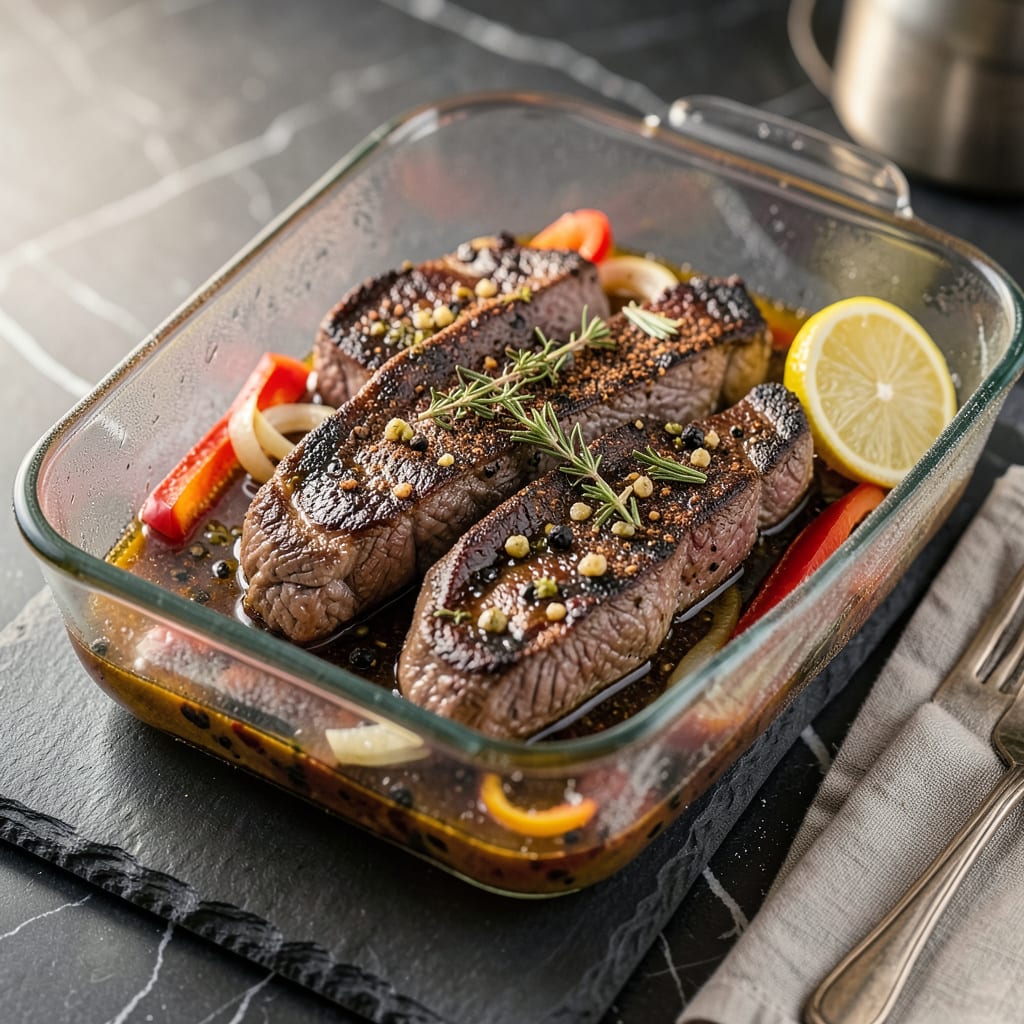
I’ll be real with you: freezing marinated meat changed my meal prep game completely. That first time I pulled perfectly seasoned chicken from the freezer—still juicy after thawing—felt like discovering a culinary superpower. No more last-minute marinating or flavorless frozen meat. This method locks in moisture and taste, so your future meals taste like they were just prepped.
Here’s the thing—most people ruin frozen marinated meat by skipping two critical steps: proper portioning and airtight packaging. I learned this the hard way after freezer-burning an entire batch of ribeye. Now I vacuum-seal individual portions (or use heavy-duty zip bags with all air squeezed out) to prevent ice crystals from destroying texture. The right packaging means the difference between dry, sad meat and restaurant-quality results.
What you’ll end up with is protein that’s ready for anything—toss those frozen kebab skewers straight on the grill, or sear the thawed steak for stir-fry in half the time. I keep marinated chicken thighs, pork chops, and flank steak stocked at all times. The marinade actually deepens in flavor during freezing, so your future self gets better-tasting meat with zero extra effort.
Fair warning: not all marinades freeze equally. Oil-heavy ones can separate, while acidic bases (like citrus or vinegar) stay stable. I’ll show you exactly which ingredients work best and how to package them for maximum flavor retention. Let’s set you up for juicy, flavorful results every single time.
📚 In This Guide
- What You’ll Need
- Instructions
- Tips and Common Mistakes
What Youll Need
- ● Marinated meat of choice – 1–5 lbs (ensure it’s fully submerged in marinade for best results). Popular picks: chicken thighs, beef strips, or pork chops. 🍖
- ● Marinade ingredients – Pre-mixed or homemade (e.g., ½ cup oil, ¼ cup acid like lemon juice/vinegar, herbs, spices, and 1 tbsp salt per lb of meat).
- ● Freezer-safe containers or bags: Heavy-duty ziplock bags (quart or gallon size, BPA-free).
- ● Air-tight plastic containers (with snap-lid seals, 4–8 cup capacity).
- ○ Optional: Vacuum-sealer bags (for long-term storage).
- ● Labels & marker – Waterproof labels + permanent marker (or masking tape).
- ○ Kitchen scale (optional) – For precise marinade-to-meat ratios.
- ● Tongs or gloves – To handle raw meat safely.
- ○ Aluminum foil or parchment paper (optional) – For extra leak protection.
- ● Freezer space – Clear a flat shelf for even freezing (avoid overcrowding!). ❄️
Instructions
Here’s my proven method for freezing marinated meat while keeping it juicy and flavorful for later use.
Choose the Right Marinade and Meat
Start by selecting a marinade with the right balance of acidity, oil, and seasonings. I recommend using marinades with natural tenderizers like pineapple juice, yogurt, or vinegar, but keep the acid content below 20% of the total marinade volume. Too much acid can break down the meat fibers excessively during freezing, leading to a mushy texture when thawed.
For best results, choose cuts that freeze well: boneless, skinless chicken breasts, pork tenderloin, or flank steak work particularly well. Avoid pre-cut stew meat or ground meat for marinating before freezing, as their increased surface area can lead to texture changes. Always use fresh, high-quality meat that hasn’t been previously frozen.
Marinate Properly Before Freezing
Marinate the meat for the appropriate time before freezing—30 minutes to 2 hours for most cuts. I’ve found that marinating chicken for 1-2 hours and beef or pork for 2-4 hours gives optimal flavor penetration without over-softening the meat. Use a non-reactive container like glass or food-grade plastic for marinating.
After marinating, remove the meat from the marinade and pat it dry with paper towels. This step is crucial—excess moisture on the surface will form ice crystals during freezing, which can degrade texture. If you want to save the marinade for later use, boil it for 3 minutes to kill any bacteria before freezing it separately in an ice cube tray.
Package for Freezing Using the Right Method
For individual portions, use the flash freeze method: arrange marinated meat pieces on a parchment-lined tray so they’re not touching, then freeze for 1-2 hours until solid. This prevents the pieces from sticking together, allowing you to portion them later. For larger cuts, wrap tightly in plastic wrap first, then place in a freezer-safe zip-top bag.
Remove as much air as possible from the packaging—this is where a vacuum sealer really shines if you have one. For zip-top bags, use the water displacement method: submerge the bag in water up to the seal line, letting the water pressure push out the air before sealing. Label each package with the cut of meat, marinade type, and freezing date using freezer tape.
Freeze and Thaw Correctly
Freeze the packaged meat at 0°F or below. For best quality, use within 3 months for chicken, 4 months for pork, and 6 months for beef. When ready to cook, thaw in the refrigerator for 24-48 hours depending on the cut size—never at room temperature, as this promotes bacterial growth.
Here’s the thing—don’t rinse the meat after thawing. The marinade that’s absorbed into the meat will continue to flavor it during cooking. For food safety, if you’re grilling or broiling, cook directly from the frozen state (adding 50% more cooking time), or if pan-searing, thaw completely first for even cooking. Always cook to proper internal temperatures: 165°F for poultry and 145°F for pork/beef.
Tips and Common Mistakes
After years of experimenting with freezing techniques, I’ve learned these key details make all the difference in preserving texture and flavor.
Marinade Balance: The 20% acid limit mentioned in Step 1 isn’t arbitrary—it’s the sweet spot where flavor development happens without turning your meat to mush during freezing. I learned this the hard way after ruining several batches of chicken with overly acidic marinades. Pineapple juice works beautifully, but remember it’s potent—stick to that 20% ratio for perfect results.
Flash Freeze Precision: That 1-2 hour flash freeze in Step 3 is critical for individual portions. Here’s what nobody tells you—if you skip this step, the pieces will freeze together into one solid block, making it impossible to separate later. I use a timer and check at the 1-hour mark; when pieces are firm but not rock-hard, they’re ready for packaging.
Thawing Strategy: The 24-48 hour refrigerator thaw in Step 4 isn’t just about safety—it’s about texture. I’ve found that thicker cuts like pork tenderloin need the full 48 hours, while chicken breasts are usually ready at 24 hours. Never rush this by using warm water; the gradual thaw preserves cell structure for that juicy result we’re after.
Cooking Adjustment: When cooking from frozen as mentioned in Step 4, that 50% additional cooking time is non-negotiable for food safety. I always use a meat thermometer to verify internal temperatures—165°F for chicken and 145°F for pork/beef—regardless of how much longer it takes. The extra time ensures the center cooks through without drying out the exterior.
Pro Tips for Freezing Marinated Meat
- After years of experimenting with freezing techniques, I’ve learned these key details make all the difference in pres…
- Marinade Balance: The 20% acid limit mentioned in Step 1 isn’t arbitrary—it’s the sweet spot where flavor development…
- Flash Freeze Precision: That 1-2 hour flash freeze in Step 3 is critical for individual portions. Here’s what nobody …
Frequently Asked Questions
Got questions about freezing marinated meat? You’re not alone! Here are the most common concerns—answered fast so you can prep with confidence.
Can you freeze meat in its marinade, or should you drain it first?
Freeze it in the marinade for maximum flavor! The liquid acts as a protective layer, preventing freezer burn. Just ensure it’s in an airtight container or heavy-duty freezer bag. Draining first risks drying out the meat—skip it unless the marinade contains high-sodium ingredients (like soy sauce), which may get too intense.
How long can you freeze marinated meat safely?
Most marinated meats stay safe for 3–6 months at 0°F (-18°C). For best quality, use within 3 months—after that, texture may suffer. Label bags with the date! Pro tip: Acidic marinades (lemon, vinegar) can break down meat faster, so aim to use those within 2 months.
Does freezing marinated meat affect the texture or flavor?
Done right, there’s minimal impact! Freezing can slightly soften meat fibers, but marinating before freezing helps retain moisture. Avoid freezing tender cuts (like filet mignon) in strong marinades—they can turn mushy. For tougher cuts (chicken thighs, flank steak), freezing actually enhances tenderness post-thaw!
Can you marinate meat after freezing instead?
Yes, but it’s less effective. Freezing seals meat pores, so post-thaw marinating takes 2–3x longer to penetrate. For quick meals, marinate before freezing. If you must marinate after, thaw the meat first, then soak for 6–12 hours (or inject the marinade for faster results).
Why did my marinated meat turn gray or dry after freezing?
Grayish hues often mean freezer burn (air exposure) or oxidation. Prevent it by:
- Using vacuum-sealed bags or pressing out excess air.
- Adding a thin oil layer (like olive oil) to the marinade as a barrier.
- Thawing slowly in the fridge (never at room temp!) to retain moisture.
Dryness? Over-marinating in salt or alcohol can draw out juices—stick to 2–12 hours pre-freeze for most recipes.
Freezing marinated meat is a game-changer for meal prep—locking in flavor while saving time! 🎯 With the right techniques (like airtight packaging and proper thawing), you can enjoy tender, juicy results weeks later. Whether you’re batch-cooking or planning ahead, this method keeps your meals delicious and stress-free.
Ready to try it? Pick your favorite marinade, prep a batch, and freeze it today—your future self will thank you! For extra confidence, revisit the FAQs or experiment with different marinades to find your perfect match. Happy freezing! ❄️🍽️

Trained in classic French technique but raised on slow-cooked ribs and spicy rubs, she blends culinary skill with smoke and soul.
- Recipe for Boneless Pork Chops in Cast Iron Skillet: Sear and Baste to Juicy Perfection - October 3, 2026
- Recipe for Boneless Cross Rib Roast: Slow-Roasted Beef with Herb Crust - October 3, 2026
- Hamburgers in Sauce Recipe Crock Pot: Slow-Cooked Savory Delight - October 3, 2026