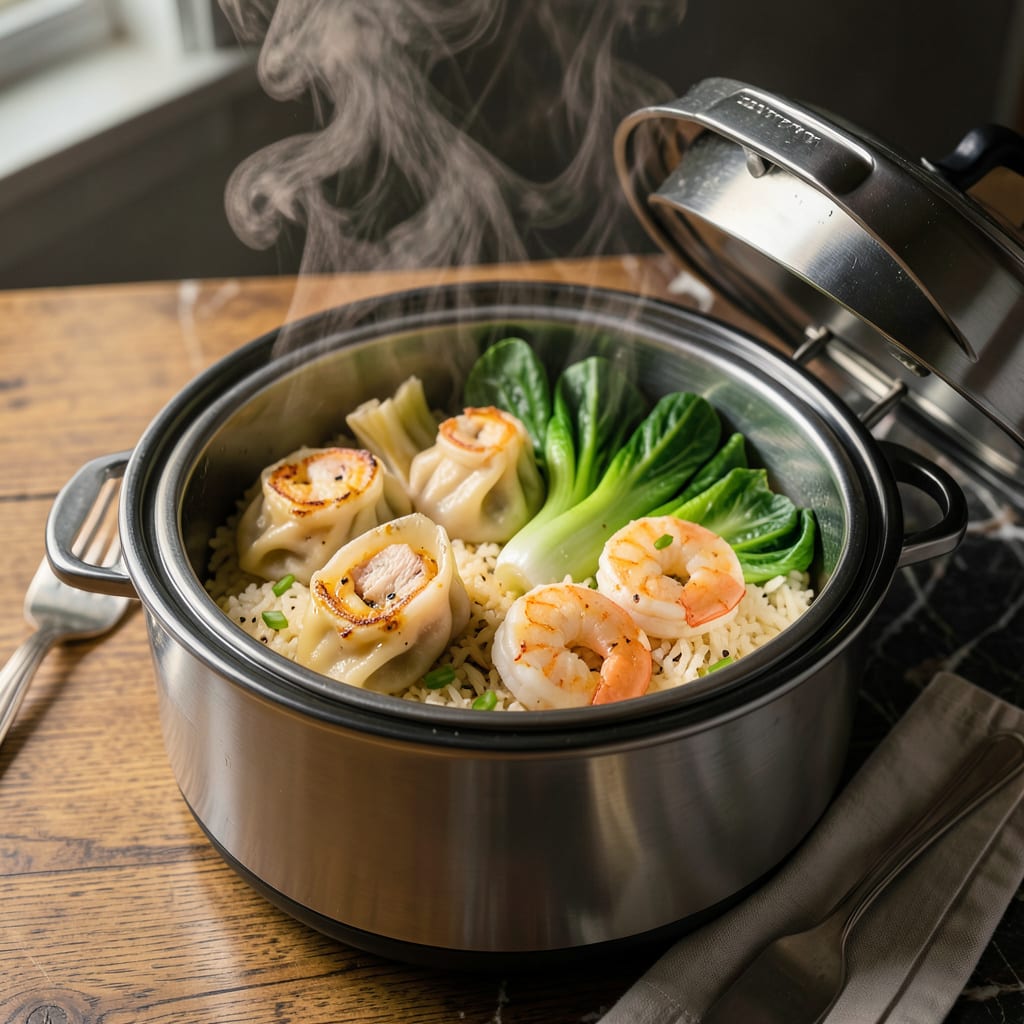
I’ll be real with you—steaming in a pressure cooker changed how I cook vegetables forever. No more sad, waterlogged broccoli or flavorless chicken. This method locks in nutrients and flavor while cutting cooking time by more than half. I first tried it during a busy week when I needed dinner fast, and now it’s my go-to for perfectly tender results every time.
Here’s the thing—pressure cooker steaming isn’t just for veggies. You can cook fish that flakes apart with a fork, chicken that stays juicy, or even delicate dumplings without them falling apart. The secret is using the right amount of liquid and timing it precisely. I’ve burned through my fair share of experiments to figure out exactly how much water to use and when to release the pressure.
The best part? You’re not just saving time—you’re getting food that tastes better than traditional steaming. The pressure cooker creates an environment where flavors concentrate instead of washing away. I’ve served this to guests who swore they didn’t like steamed food, only to watch them go back for seconds.
Whether you’re cooking a quick weeknight side or a complete meal, this technique delivers. No fancy equipment needed—just your pressure cooker, some water, and whatever you’re craving. The results are so good, you might just forget about boiling or microwaving altogether.
📚 In This Guide
- What You’ll Need
- Instructions
- Tips and Common Mistakes
What Youll Need
- ● Pressure cooker (6-quart or larger recommended; electric or stovetop)
- ● Steamer basket or trivet (stainless steel or silicone, fits inside your cooker)
- ● 1–2 cups water or broth (check your cooker’s manual for minimum liquid requirements)
- ● Fresh or frozen veggies, fish, dumplings, or meat (cut into even-sized pieces for uniform cooking)
- ● Kitchen tongs or heat-resistant gloves (for safe food removal)
- ● Timer or smartphone (to track cooking time precisely)
- ○ Optional: Parchment paper or foil (to line the basket for easy cleanup)
- ○ Optional: Aromatics like garlic, ginger, or herbs (for extra flavor boost!)
Instructions for Pressure Cooker Steaming
Here’s how to steam perfectly every time—fast, flavorful, and foolproof.
Prepare Your Pressure Cooker and Ingredients
Start by adding 1-2 cups of water to the pressure cooker pot. The exact amount depends on your cooker’s size and the recipe, but you typically want enough to create steam without submerging your food. I always check my manufacturer’s guidelines for minimum liquid requirements—most need at least 1 cup to build proper pressure.
Insert the steaming rack or basket that came with your pressure cooker. If you don’t have one, a heatproof trivet or even crumpled aluminum foil balls can work in a pinch. Arrange your ingredients in a single layer on the rack or in steamer baskets, leaving space between pieces for even cooking. For vegetables, cut them into uniform sizes so they cook at the same rate.
Secure the Lid and Set the Valve
Place the lid on your pressure cooker and lock it into position. Double-check that the sealing ring is properly seated and clean—any food debris can prevent a proper seal. Turn the pressure release valve to the “Sealing” position. This is crucial: if the valve isn’t sealed, your cooker won’t build pressure.
Select the “Steam” function if your cooker has it, or manually set it to high pressure. Most electric pressure cookers have preset steam times, but I prefer manual control for precision. For manual settings, 0 minutes cooking time often works for delicate items like fish or leafy greens—it’s the steam build-up time that does the cooking.
Cook Under Pressure
Once the cooker reaches pressure (you’ll hear a hissing sound that stops when full pressure is achieved), the cooking time begins. For most vegetables, 2-5 minutes under high pressure is plenty. Denser items like potatoes or carrots may need 5-8 minutes, while delicate foods like asparagus or fish only need 1-3 minutes.
Resist the urge to check on your food during cooking. Every time you release pressure, you’re adding to the total cooking time. I set a timer for the minimum recommended time, then check for doneness with a quick-release after that. Your food should be tender but still vibrant in color—over-steaming turns vegetables mushy and dull.
Release Pressure Safely
When cooking time is up, you have two options for pressure release. For most steamed dishes, I recommend the quick-release method: carefully turn the pressure valve to “Venting” using a long spoon or tongs to avoid the steam. Stand back as the steam escapes—it’s extremely hot and can cause burns.
For more delicate items that might get jostled by quick release, use natural release instead. Let the pressure drop on its own, which typically takes 10-15 minutes. The cooker will indicate when it’s safe to open. Always open the lid away from your face to avoid any residual steam.
Serve and Enjoy
Carefully remove your steamed food from the cooker. I like to use tongs or a slotted spoon to avoid piercing delicate items. Arrange on a platter and drizzle with any accumulated juices from the steaming process—these are packed with flavor and nutrients that would otherwise be lost.
Steamed foods are best served immediately while hot. Notice how the colors remain bright and vibrant compared to boiling? That’s because steaming preserves more nutrients and prevents waterlogging. For extra flavor, finish with a sprinkle of fresh herbs, a drizzle of good olive oil, or a squeeze of citrus just before serving.
Tips and Common Mistakes
Mastering pressure cooker steaming is all about understanding the small details that make a big difference.
Water Level Wisdom: The 1-2 cups of water mentioned in Step 1 is critical—too little and your cooker won’t build pressure, too much and you’ll end up with soggy food. I always start with exactly 1 cup for most vegetables, then add an extra ¼ cup if I’m steaming dense items like potatoes. Remember, the water creates steam, not a bath for your ingredients.
Timing Precision: Those 2-5 minutes cooking times in Step 3 might seem short, but they’re perfect when you consider the pressure build-up time. For delicate items like fish or asparagus, I set my timer for exactly 1 minute, then do a quick-release check. Denser vegetables get the full 5 minutes before I even think about opening that lid. The key is watching for vibrant color—once it starts to dull, you’ve gone too far.
Pressure Release Strategy: The quick-release versus natural release decision in Step 4 depends entirely on what you’re cooking. I use quick-release for sturdy vegetables like broccoli or carrots, but always opt for natural release when steaming fish or delicate greens. That 10-15 minute wait might seem long, but it prevents your beautiful steamed food from getting jostled and breaking apart.
Equipment Hack: Don’t have a steaming basket? In Step 1, I’ve successfully used a heatproof plate or even a colander that fits inside my pressure cooker. Just make sure whatever you use allows steam to circulate freely around your food. The goal is to keep ingredients elevated above the water while still exposing them to that intense steam.
Pro Tips for Pressure Cooker Steaming
- Mastering pressure cooker steaming is all about understanding the small details that make a big difference.
- Water Level Wisdom: The 1-2 cups of water mentioned in Step 1 is critical—too little and your cooker won’t build pres…
- Timing Precision: Those 2-5 minutes cooking times in Step 3 might seem short, but they’re perfect when you consider t…
Frequently Asked Questions
Can I steam frozen vegetables in a pressure cooker?
Yes! A pressure cooker is perfect for frozen veggies—no thawing needed. Add 1 cup of water, place veggies in the steamer basket, and cook on High Pressure for 2-4 minutes (depending on size). Frozen broccoli or carrots turn out crisp-tender every time. Just avoid overfilling the pot to prevent uneven cooking.
How much water do I need for pressure cooker steaming?
Most recipes require 1–2 cups of water (check your manual for minimum amounts). The key is ensuring the cooker can build pressure safely—too little water risks burning, while too much may dilute flavors. For electric models like Instant Pot, 1 cup is usually enough for 10–15 minutes of steaming.
What’s the best pressure cooker steaming time for fish or chicken?
Fish fillets (like salmon or cod) need just 3–5 minutes on High Pressure with a quick release to stay moist. Boneless chicken breasts take 8–10 minutes + natural release for juicy results. Always use a steamer basket or trivet to avoid direct contact with water.
Can I use a pressure cooker instead of a bamboo steamer?
A pressure cooker cuts steaming time by 70%+ compared to bamboo steamers. It’s ideal for dumplings, buns, or veggies—just layer food in a heatproof dish or basket. For delicate items like bao, add a parchment liner to prevent sticking. Pro tip: Use the Steam setting if your model has it!
Why is my pressure cooker steamed food soggy?
Sogginess usually happens from overcooking or too much liquid. Try these fixes:
- Use quick release for veggies to halt cooking fast.
- Pat food dry before steaming (especially proteins).
- Ensure the steamer basket isn’t submerged in water.
Steaming in a pressure cooker is a game-changer—it locks in nutrients, boosts flavor, and slashes cooking time! 🎯 Whether you’re whipping up veggies, seafood, or dumplings, this method keeps meals healthy and delicious with minimal effort.
Ready to try it? Grab your pressure cooker, pick a recipe, and start steaming today! For extra inspiration, check out our quick-start guide for foolproof results every time. Happy cooking! 🍽️

Trained in classic French technique but raised on slow-cooked ribs and spicy rubs, she blends culinary skill with smoke and soul.
- Recipe for Boneless Pork Chops in Cast Iron Skillet: Sear and Baste to Juicy Perfection - October 3, 2026
- Recipe for Boneless Cross Rib Roast: Slow-Roasted Beef with Herb Crust - October 3, 2026
- Hamburgers in Sauce Recipe Crock Pot: Slow-Cooked Savory Delight - October 3, 2026