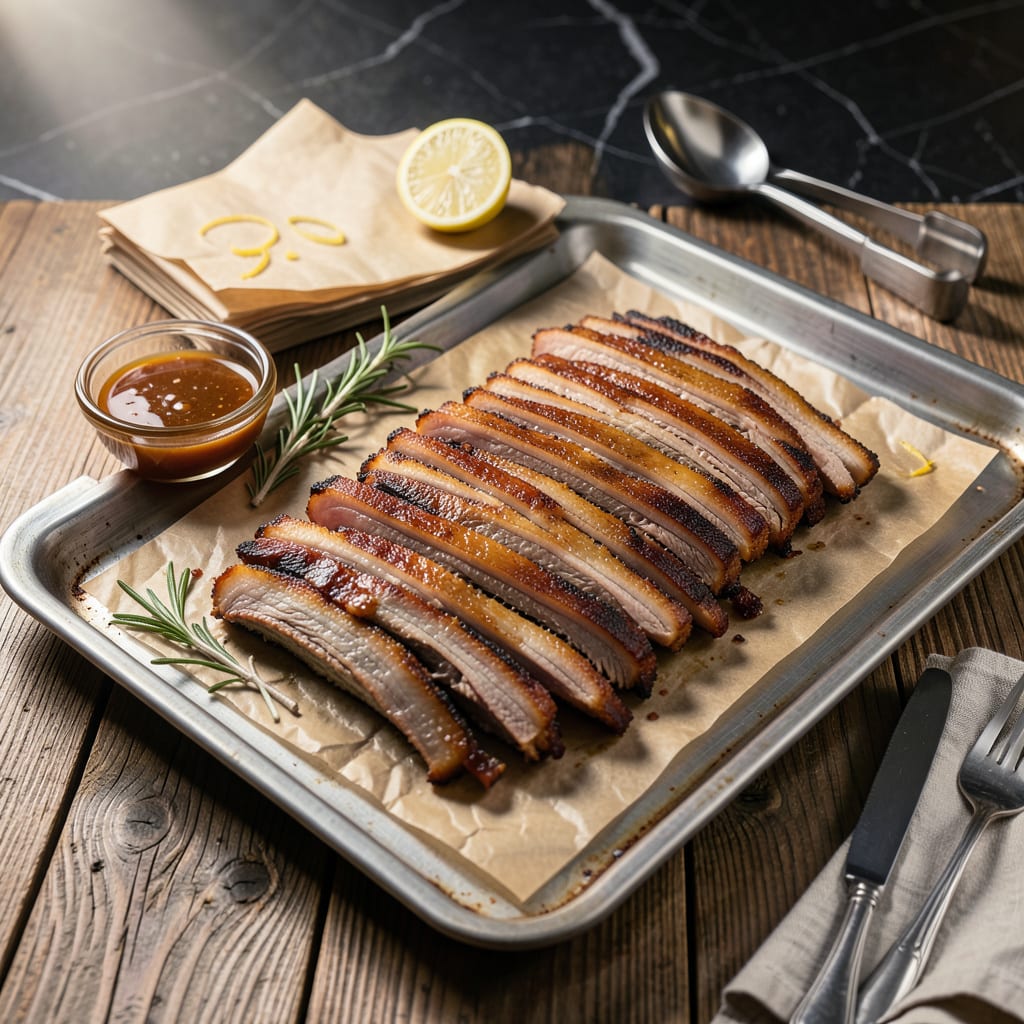
I’ll be real with you: nothing breaks my heart more than seeing perfectly good pulled pork go to waste. After years of smoking shoulders and perfecting my rubs, I’ve cracked the code for freezing pulled pork so it stays just as juicy and tender as the day you made it. No dry, stringy leftovers here—just smoky, flavorful meat ready for your next meal.
Here’s the thing—most people ruin their pulled pork in the freezer by skipping two critical steps: proper portioning and airtight packaging. I’ve tested every method from zip-top bags to vacuum sealing, and the difference is night and day. The right approach locks in moisture and flavor, so your pork reheats like it’s fresh off the smoker.
Whether you’re meal prepping or saving leftovers from a big cook, this method works every time. You’ll learn exactly how to package it (hint: remove as much air as possible), label it for easy identification, and thaw it without losing texture. Plus, I’ll share my go-to reheating tricks that bring back that just-smoked quality.
If you haven’t made pulled pork yet, start with my classic smoked recipe first. But if you’ve got leftovers waiting, let’s get them frozen right—your future self will thank you when dinner comes together in minutes with that same fall-apart tenderness.
📚 In This Guide
- What You’ll Need
- Instructions
- Tips and Common Mistakes
What Youll Need
- ● Pulled pork – At least 1 lb (16 oz) of cooked, shredded pork (leftovers work great! 🍖).
- ● Freezer-safe containers or bags – Choose: Heavy-duty zip-top freezer bags (quart or gallon size, depending on portion needs).
- ● Airtight plastic or glass containers (with tight-fitting lids, BPA-free preferred).
- ● Permanent marker or labels – For dating and labeling (trust us, future-you will thank you!).
- ○ Plastic wrap (optional) – Helps prevent freezer burn if double-wrapping.
- ○ Aluminum foil (optional) – Extra layer for large batches or meal-prep portions.
- ○ Vacuum sealer (optional but ideal) – For long-term storage (extends shelf life to 6+ months!).
- ● Measuring cups or kitchen scale – To portion out 1–2 cup servings (or your preferred size).
- ○ Pork juices or broth (optional) – ¼–½ cup per pound to keep moisture when reheating.
- ● Freezer space – Clear a flat surface for even freezing (no squishing!).
Instructions
Here’s exactly how to freeze your pulled pork while keeping it tender and flavorful every time.
Cool the Pulled Pork Completely
Spread the pulled pork in a single layer on a baking sheet or large plate. This allows it to cool evenly and quickly. If you pile it up while hot, steam will build up and create excess moisture, which leads to freezer burn later.
Let it sit at room temperature for no more than 30 minutes—just until it stops steaming. You’ll notice the color deepen slightly as it cools. For food safety, never leave pulled pork out for more than 2 hours total.
Portion for Easy Use Later
Decide how you’ll use the pork later and portion accordingly. I like to measure out 1-2 cup portions for sandwiches or 3-4 cup portions for larger meals. Use a kitchen scale if you want precise measurements for recipes.
Here’s the thing—smaller portions thaw faster and give you more flexibility. Place each portion in a separate container or bag. If using bags, squeeze out all the air before sealing to prevent freezer burn. For containers, leave about ½ inch of headspace to allow for expansion.
Choose the Right Packaging
For best results, use heavy-duty freezer bags or airtight plastic containers with tight-fitting lids. I’ve found that vacuum-sealed bags work exceptionally well if you have that equipment. The goal is to minimize air exposure, which causes freezer burn and flavor loss.
Label each package with the date and contents using freezer tape or a permanent marker. Pulled pork stays at peak quality for 3 months in the freezer, though it’s safe to eat for up to 6 months. Write “Use within 3 months for best quality” as a reminder.
Freeze Properly for Long-Term Storage
Arrange the packages in a single layer on a flat surface in your freezer. This prevents them from sticking together and allows for faster freezing. Once completely frozen (after about 4 hours), you can stack them to save space.
Set your freezer to 0°F or lower for optimal storage. The colder the temperature, the better the quality preservation. Avoid placing the pork near the freezer door where temperature fluctuates most. The back of the freezer maintains the most consistent cold.
Thaw Safely for Best Texture
When ready to use, thaw the pork overnight in the refrigerator. This slow thawing preserves the juiciness better than quick methods. For a 1-pound portion, plan on about 12 hours of thawing time.
Once thawed, reheat gently with a splash of broth or water to restore moisture. I like to warm it in a covered skillet over low heat for 10-15 minutes, stirring occasionally. The pork should reach an internal temperature of 165°F before serving to ensure food safety.
Tips and Common Mistakes
Freezing pulled pork properly makes all the difference between dry, flavorless leftovers and meat that tastes freshly cooked. Here’s what I’ve learned from years of perfecting this process.
Cooling Technique: In Step 1, spreading the pork in a single layer isn’t just about speed—it prevents the steam that causes freezer burn. I’ve ruined batches by rushing this step. That 30-minute cooling window is critical: any longer risks bacterial growth, any shorter means excess moisture gets trapped. Trust me, your future self will thank you for taking this time.
Portioning Wisdom: The 1-2 cup portions mentioned in Step 2 aren’t arbitrary. Smaller portions thaw more evenly in the 12 hours needed for refrigerator thawing. I use a kitchen scale for precision—it’s worth the extra minute to avoid guessing. And that ½ inch headspace in containers? It’s your insurance against cracked containers from expansion.
Freezer Strategy: The 4 hours of initial freezing in Step 4 might seem excessive, but it’s your best defense against ice crystals. I learned this after finding my carefully portioned pork stuck together in a frozen block. Setting your freezer to 0°F or lower isn’t just for preservation—it maintains texture. The back of the freezer really does stay more consistent than you might think.
Reheating Secret: When you’re reheating over low heat for 10-15 minutes in Step 5, don’t skip the splash of broth. I’ve experimented with water, apple juice, and even beer—broth consistently gives the best moisture restoration. And always use a thermometer to confirm you’ve hit 165°F; pulled pork can be deceiving about doneness.
Pro Tips for Freezing Pulled Pork
- Freezing pulled pork properly makes all the difference between dry, flavorless leftovers and meat that tastes freshly…
- Cooling Technique: In Step 1, spreading the pork in a single layer isn’t just about speed—it prevents the steam that …
- Portioning Wisdom: The 1-2 cup portions mentioned in Step 2 aren’t arbitrary. Smaller portions thaw more evenly in th…
Frequently Asked Questions
Got questions about freezing pulled pork? You’re not alone! Here are the most common concerns—answered in a snap.
How long can I freeze pulled pork safely?
Pulled pork stays fresh in the freezer for 2–3 months at 0°F (-18°C) or below. After that, it’s still safe to eat but may lose texture or flavor. For best results, use airtight containers or heavy-duty freezer bags to prevent freezer burn!
Can I freeze pulled pork with BBQ sauce already mixed in?
Yes! Sauced pulled pork freezes well, but the texture might soften slightly when thawed. For firmer results, freeze the meat plain and add sauce after reheating. Pro tip: Portion before freezing to avoid thawing more than you need.
What’s the best way to thaw frozen pulled pork?
The safest method is overnight thawing in the fridge (8–12 hours). Need it faster? Use the cold water bath (sealed bag + cold water, changed every 30 mins) or the microwave’s defrost setting. Avoid room-temperature thawing to prevent bacteria growth.
Does frozen pulled pork get dry when reheated?
It can—but it’s easy to fix! Reheat gently with a splash of broth, apple juice, or BBQ sauce in a covered dish (325°F/165°C for 20–30 mins). For microwave reheating, use 50% power and stir often. Low and slow keeps it juicy!
Can I freeze pulled pork in a slow cooker or Instant Pot?
Freezing directly in cookware isn’t recommended (it can crack or warp). Instead, transfer cooled pork to freezer-safe containers. If using a liner bag, ensure it’s food-grade and leak-proof. Bonus: Pre-portion for easy grab-and-go meals!
Freezing pulled pork doesn’t have to mean sacrificing flavor or texture—just follow the right steps! With proper storage, portioning, and thawing techniques, you can enjoy that smoky, tender goodness weeks later without the hassle. Whether you’re meal prepping or saving leftovers, a little planning ensures every bite stays as delicious as day one. 🍽️
Ready to put this into action? Grab your pulled pork, label those bags, and stash them in the freezer—your future self will thank you! For extra inspiration, try using your thawed pork in tacos, sandwiches, or even a hearty chili. Happy freezing! ❄️

Trained in classic French technique but raised on slow-cooked ribs and spicy rubs, she blends culinary skill with smoke and soul.
- Recipe for Boneless Pork Chops in Cast Iron Skillet: Sear and Baste to Juicy Perfection - October 3, 2026
- Recipe for Boneless Cross Rib Roast: Slow-Roasted Beef with Herb Crust - October 3, 2026
- Hamburgers in Sauce Recipe Crock Pot: Slow-Cooked Savory Delight - October 3, 2026