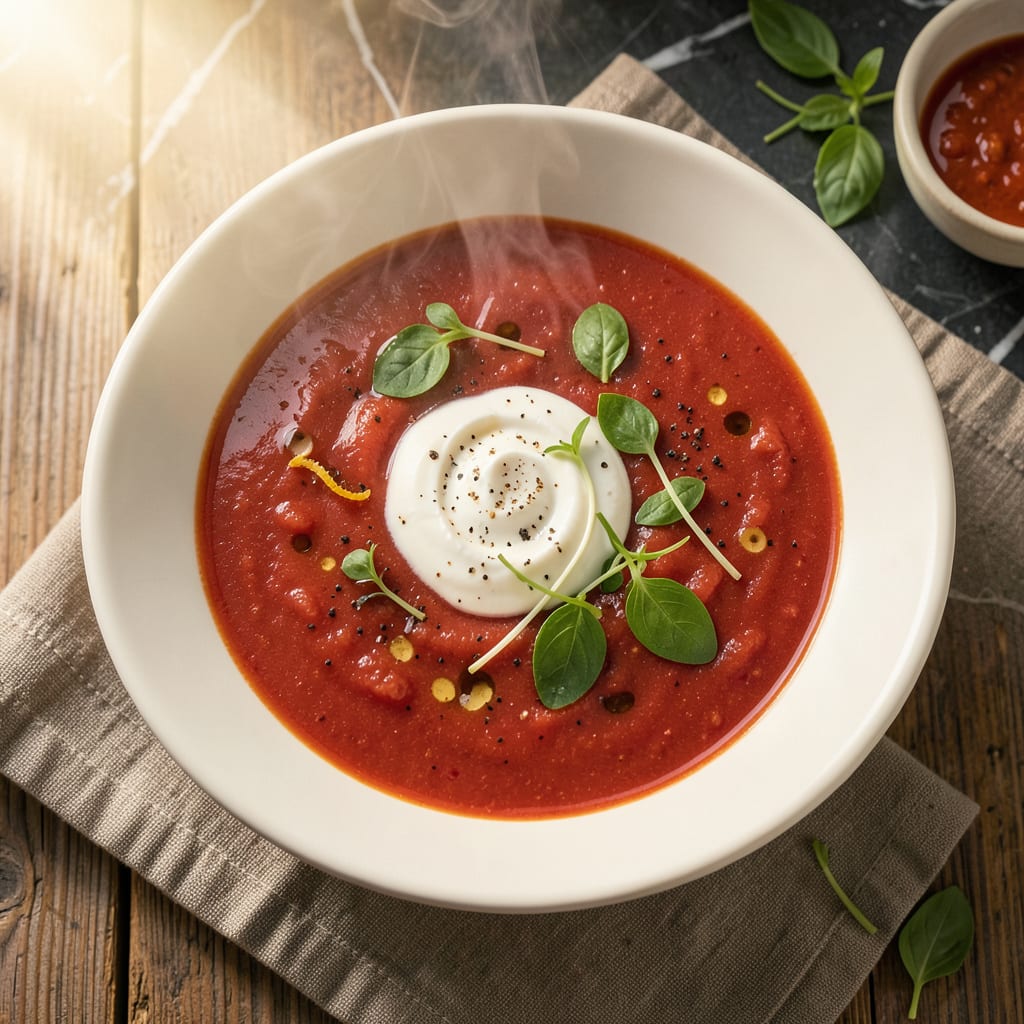
There’s nothing like capturing summer’s essence in a jar—or in this case, a freezer container. I’ve been freezing tomato soup for years, and it’s the easiest way to enjoy that fresh, vibrant flavor when winter hits. No more settling for canned versions when you can pull out a batch of your own homemade soup anytime.
The trick is all in the prep. Cooling the soup completely before freezing prevents ice crystals from forming, which can ruin the texture. I always use airtight containers or heavy-duty freezer bags, leaving about an inch of space at the top for expansion. Label everything with the date—trust me, you’ll forget when you made it otherwise.
When you’re ready to enjoy it, thawing overnight in the fridge gives the best results. Reheat gently on the stove, stirring occasionally, and you’ll have soup that tastes just as good as the day you made it. I like to make a big batch of my go-to roasted tomato soup—just tomatoes, onions, garlic, and basil—so I always have some on hand.
This method keeps your soup fresh for up to six months, so you can savor those summer flavors all year long. Whether you’re meal prepping or just want to preserve your garden harvest, freezing tomato soup is a game-changer for easy, delicious meals.
📚 In This Guide
- What You’ll Need
- Instructions
- Tips and Common Mistakes
What Youll Need
- ● Tomato soup – 4–6 cups of homemade or store-bought (ensure it’s cooled to room temperature 🌡️).
- ● Air-tight containers – 2–3 freezer-safe glass jars (16 oz) or BPA-free plastic containers with lids.
- ○ Freezer bags – 1–2 quart-sized, heavy-duty (optional for space-saving storage).
- ● Ladle or measuring cup – For easy, mess-free pouring.
- ● Permanent marker or labels – To date your soup (trust us, future you will thank you! ✍️).
- ○ Plastic wrap or parchment paper – Optional to prevent freezer burn if using containers.
- ○ Straw or vacuum sealer – Optional for removing excess air from freezer bags.
- ● Cooling rack or tray – Helps soup cool faster before freezing (if freshly made).
- ● Freezer space – At least 1–2 cubic feet for 4–6 cups of soup. Pro tip: clear a shelf ahead of time! ❄️
Instructions for Freezing Tomato Soup
Here’s how to freeze your tomato soup properly so it tastes just as fresh when you’re ready to enjoy it.
Cool the Soup Completely
Before freezing, let your tomato soup cool to room temperature. I like to transfer it to a shallow container first—this speeds up the cooling process. Never put hot soup directly into the freezer, as it will raise the temperature inside and potentially thaw other frozen foods.
Stir the soup occasionally as it cools to help release heat evenly. You’ll know it’s ready when there’s no steam rising from the surface and the container feels cool to the touch. This usually takes about 30-45 minutes at room temperature.
Portion the Soup for Easy Use
Decide how much soup you want to thaw at once. For individual servings, I use 16-ounce freezer-safe containers or heavy-duty zip-top bags. For family meals, quart-sized containers work well. Leave about 1-inch headspace at the top of containers to allow for expansion during freezing.
If using bags, place them in a bowl or mug to hold them upright while filling. Squeeze out as much air as possible before sealing—this prevents freezer burn. For containers, press plastic wrap directly on the soup’s surface before sealing with the lid to minimize air exposure.
Label and Freeze Properly
Label each container with the date and contents using freezer tape or a permanent marker. I always include the reheating instructions too: “Thaw overnight in fridge, then heat on stove.” This makes it easier when you’re ready to use it months later.
Place the containers in the coldest part of your freezer, ideally 0°F or below. Arrange them flat to freeze initially—this prevents spills and helps them freeze more evenly. Once completely frozen (after about 24 hours), you can stack them to save space.
Thaw and Reheat Safely
When ready to enjoy, transfer the soup from freezer to refrigerator and let it thaw overnight. This slow thawing preserves the texture better than quick methods. If you’re in a hurry, you can use the defrost setting on your microwave, but stir frequently to prevent separation.
Reheat the soup gently on the stovetop over medium-low heat, stirring occasionally. You might notice the texture is slightly thicker after freezing—that’s normal. If needed, thin it with a splash of broth or water while reheating. Taste and adjust seasoning if needed before serving.
Check for Quality Before Serving
After reheating, give your soup a quick quality check. The color might be slightly duller, but the flavor should still be vibrant. If you notice any off smells or the texture seems grainy, it’s best to discard it—though properly frozen soup should maintain good quality for 3-4 months.
I always give it a final stir before serving to redistribute any ingredients that might have settled. The tomatoes should still taste sweet and bright, with all the original flavors intact. If the soup seems too thick, a quick blend with an immersion blender will restore its smooth consistency.
Tips and Common Mistakes
The difference between perfectly preserved soup and freezer disappointment comes down to these key details.
Cooling Technique: In Step 1, that 30-45 minutes cooling time is crucial—don’t rush it. I learned the hard way that putting even slightly warm soup in the freezer creates ice crystals that ruin the texture. For faster cooling, divide large batches into smaller containers or set the pot in an ice bath, stirring occasionally. The soup should feel completely cool to the touch before moving to Step 2.
Portioning Wisdom: When using 16-ounce containers or quart-sized ones in Step 2, remember that soup expands as it freezes. That 1-inch headspace isn’t optional—it prevents cracked containers and messy freezer spills. For bags, lay them flat to freeze initially; they’ll stack like books once solid, saving space. I always double-check seals by pressing gently on the container—if it gives, there’s still air to remove.
Freezing Strategy: The 24 hours mentioned in Step 3 for initial freezing isn’t arbitrary. This slow freeze preserves the soup’s cellular structure, preventing that grainy texture some people complain about. Place containers in the back of the freezer where temperature stays most consistent at 0°F or below. Avoid the door shelves—temperature fluctuates there every time you open the freezer.
Reheating Finesse: That medium-low heat in Step 4 is your best friend for reheating. Too high and you’ll scorch the tomatoes; too low and you’ll never get it hot enough. Stir frequently and watch for the first tiny bubbles—that’s your cue it’s ready. If the texture seems off, don’t panic. A quick whirl with an immersion blender or even just vigorous stirring usually brings it right back to its original smoothness.
Pro Tips for Freezing Tomato Soup
- The difference between perfectly preserved soup and freezer disappointment comes down to these key details.
- Cooling Technique: In Step 1, that 30-45 minutes cooling time is crucial—don’t rush it. I learned the hard way that p…
- Portioning Wisdom: When using 16-ounce containers or quart-sized ones in Step 2, remember that soup expands as it fre…
Frequently Asked Questions
Can you freeze tomato soup with cream or dairy in it?
Yes, but it’s tricky! Cream-based soups can separate or become grainy when thawed. For best results, freeze the tomato base without dairy, then add fresh cream or milk after reheating. If you must freeze it with dairy, stir well while reheating on low heat to restore texture.
How long does frozen tomato soup last in the freezer?
Properly stored in airtight containers, tomato soup stays fresh for 3–4 months at 0°F (-18°C). Label containers with the date to track freshness! While it’s safe beyond this time, flavor and texture may decline. For best quality, use it within the first 2 months.
Do I need to thaw tomato soup before reheating?
Nope! You can reheat it straight from the freezer. Use low heat on the stovetop (or the defrost setting in the microwave) and stir occasionally to prevent scorching. If thawing first, transfer it to the fridge overnight for even, safe defrosting.
Why does my tomato soup taste bland after freezing?
Freezing can dull flavors, especially acidic ones like tomatoes. Boost taste by adding a pinch of salt, a splash of vinegar or lemon juice, or fresh herbs (like basil) after reheating. For extra richness, stir in a pat of butter or a drizzle of olive oil.
What’s the best container for freezing tomato soup?
Opt for airtight containers (leave 1-inch headspace for expansion) or heavy-duty freezer bags (squeeze out air before sealing). Glass jars work too—just ensure they’re freezer-safe and not overfilled. For single servings, try silicone molds or ice cube trays!
Freezing tomato soup is a simple, game-changing way to lock in freshness and enjoy summer’s vibrant flavors all year long. With the right containers, cooling techniques, and a few pro tips, you can savor homemade goodness in minutes—no last-minute prep required! 🍅❄️
Ready to stock your freezer? Start by whipping up a big batch of your favorite recipe, then freeze it in portion-sized containers. Your future self will thank you on those chilly nights when a warm, comforting bowl is just a thaw away!

Trained in classic French technique but raised on slow-cooked ribs and spicy rubs, she blends culinary skill with smoke and soul.
- Recipe for Boneless Pork Chops in Cast Iron Skillet: Sear and Baste to Juicy Perfection - October 3, 2026
- Recipe for Boneless Cross Rib Roast: Slow-Roasted Beef with Herb Crust - October 3, 2026
- Hamburgers in Sauce Recipe Crock Pot: Slow-Cooked Savory Delight - October 3, 2026