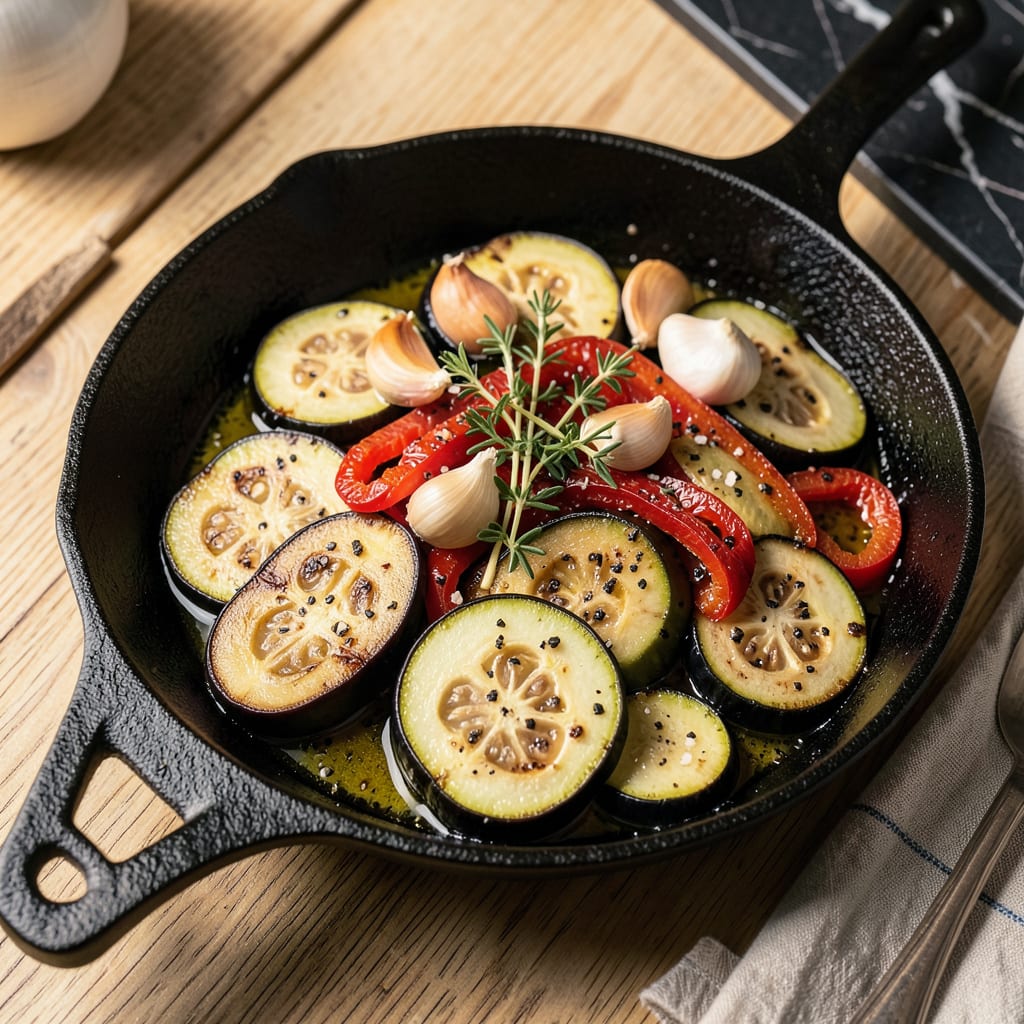
Let me tell you, nothing ruins a dish faster than crunchy vegetables when you wanted them silky and tender. I’ve burned my share of carrots and turned broccoli to mush trying to get this right. But after years of testing, I’ve nailed down three foolproof methods that work every single time—no fancy equipment required.
The secret isn’t just cooking time—it’s matching the right technique to your veggie. Delicate greens need quick blanching, while root vegetables beg for slow braising. I’ll walk you through exactly when to use each method, plus the perfect doneness cues so you never second-guess again. This isn’t about making vegetables mushy; it’s about unlocking their best texture.
What you’ll get are vegetables that hold their shape but yield perfectly to your fork—whether you’re prepping for stir-fries, soups, or simple sides. The techniques work for everything from asparagus to zucchini, and I’ve included the exact timing that turns frustration into perfect results every time. No more guessing games at dinnertime.
Fair warning: Once you master these methods, you’ll never tolerate sad, undercooked veggies again. The difference is that dramatic. Here’s everything you need to transform your vegetable game for good.
📚 In This Guide
- What You’ll Need
- Instructions
- Tips and Common Mistakes
What Youll Need
- ● Fresh vegetables – 1–2 lbs (450–900g) of your choice (carrots, potatoes, broccoli, etc.). Firm, unblemished produce works best! 🥕
- ● Water – 4–6 cups (for boiling/steaming) or as needed for other methods.
- ○ Salt – 1 tsp (optional, for flavor enhancement).
- ● Cooking oil or butter – 1–2 tbsp (for sautéing or roasting). Olive, avocado, or coconut oil recommended.
- ● Cutting board + sharp knife – For prepping veggies safely.
- ● Large pot (with lid) – For boiling/steaming (3–4 qt capacity).
- ○ Steamer basket – Optional but ideal for even steaming. 🍲
- ● Skillet or baking sheet – For sautéing or roasting (non-stick preferred).
- ● Timer – To avoid over-softening (phone or kitchen timer works!).
- ● Tongs or slotted spoon – For safe handling of hot veggies.
Step-by-Step Instructions for Softening Vegetables
Master these simple techniques to transform crisp vegetables into perfectly tender, flavorful additions to any dish.
Sauté for Quick, Even Softening
Heat a heavy-bottomed skillet over medium-high heat until a drop of water sizzles and evaporates immediately. Add just enough neutral oil to lightly coat the bottom—about 1-2 tablespoons—and let it shimmer for 30 seconds before adding your vegetables. This ensures the oil reaches the ideal temperature for proper searing and softening.
Add your vegetables in a single layer, resisting the urge to overcrowd the pan. You should hear an immediate sizzle—if you don’t, wait until the pan is hotter. Stir occasionally with a wooden spoon, allowing each piece to make contact with the hot surface. After 3-5 minutes, you’ll notice the edges becoming translucent and the texture yielding slightly to pressure. This is your cue that the cell walls are breaking down and the vegetables are beginning to soften beautifully.
Blanch for Vibrant, Tender Results
Bring a large pot of water to a rolling boil—you want vigorous bubbles that will cook the vegetables quickly and evenly. While waiting, prepare an ice bath in a large bowl (equal parts ice and water). This shock treatment stops the cooking process immediately, preserving both color and texture. Add 1 tablespoon of salt per quart of water to enhance flavor penetration.
Once boiling, add your vegetables and cook for 1-3 minutes depending on density—leafy greens need just 30-60 seconds, while root vegetables may require up to 3 minutes. You’ll know they’re ready when a fork pierces through with slight resistance but no crunch. Immediately transfer to the ice bath using a slotted spoon, then drain after 1 minute when completely cooled. The result? Perfectly softened vegetables that retain their bright color and crisp-tender texture.
Roast for Deep Flavor Development
Preheat your oven to 400°F—this high heat creates beautiful caramelization while softening the interior. Toss your vegetables with just enough oil to lightly coat (1-2 tablespoons per pound), then spread them in a single layer on a rimmed baking sheet. Crowding causes steaming rather than roasting, so use two pans if needed. Season generously with salt and pepper to enhance natural flavors as they concentrate.
Roast for 20-30 minutes, stirring halfway through, until the edges become deep golden brown and the vegetables yield easily to a fork. You’ll smell a nutty, caramelized aroma when they’re ready—the Maillard reaction at work! Larger pieces may need an additional 5-10 minutes, while smaller cuts will soften more quickly. The exterior should be slightly crisp while the interior becomes melt-in-your-mouth tender, creating a perfect textural contrast.
Steam for Delicate, Even Softening
Fill a pot with 1-2 inches of water and bring to a gentle simmer—not a rolling boil. Place your vegetables in a steamer basket, ensuring they’re in a single layer with space between pieces for even circulation. Cover tightly with a lid to trap the steam. This method preserves water-soluble nutrients while gently softening the cell structure through moist heat.
Steam for 5-10 minutes depending on the vegetable’s density. Test doneness by piercing with a fork—it should slide in with minimal resistance but not fall apart. Leafy vegetables will wilt dramatically and become silky, while denser vegetables like carrots will soften uniformly without losing their shape. The color will intensify beautifully, and the texture will be uniformly tender without any tough spots. Remove immediately when done to prevent over-softening from residual heat.
Tips and Common Mistakes for Perfectly Softened Vegetables
These game-changing insights will transform your vegetable softening from good to absolutely perfect every single time.
The Heat Factor: In Step 1, that 30-second shimmer for your oil isn’t just a suggestion—it’s the secret to preventing soggy vegetables! The oil needs to reach its smoke point just before adding vegetables to create that perfect sear while softening. I’ve ruined batches by rushing this step, and the difference when you wait those full 30 seconds is astonishing. The vegetables develop a light crust while maintaining tender interiors.
Blanching Breakthrough: The 1-minute ice bath in Step 2 isn’t optional—it’s what preserves that vibrant color and crisp-tender texture we’re after! I learned this the hard way after ending up with mushy, discolored vegetables. The shock stops cooking instantly, locking in that just-softened perfection. For leafy greens, I actually set a timer for exactly 60 seconds in the ice bath—no more, no less.
Roasting Revelation: When following Step 3, don’t just stir halfway through—rotate your baking sheet 180 degrees too! This compensates for oven hot spots and ensures even caramelization during that 20-30 minute roast. The 400°F temperature is perfect for creating that deep golden brown color while softening the interior. I always check at 20 minutes and add 5-minute increments until I see that nutty brown edge we’re looking for.
Steaming Secret: For Step 4, the 1-2 inches of water specification is crucial—too much creates a rolling boil that can make vegetables waterlogged, while too little evaporates before cooking completes. I maintain exactly 1.5 inches for consistent steam production. And here’s what nobody tells you—after steaming, immediately spread vegetables on a tray to cool. This prevents the residual heat from over-softening them during that critical first minute out of the steamer.
Pro Tips for Soften Vegetables
- These game-changing insights will transform your vegetable softening from good to absolutely perfect every single time.
- The Heat Factor: In Step 1, that 30-second shimmer for your oil isn’t just a suggestion—it’s the secret to preventing…
- Blanching Breakthrough: The 1-minute ice bath in Step 2 isn’t optional—it’s what preserves that vibrant color and cri…
Frequently Asked Questions
How long does it take to soften vegetables in boiling water?
Most veggies soften in 5–15 minutes—leafy greens (spinach, kale) take 2–5 minutes, while denser options (carrots, potatoes) need 10–15. Test with a fork for tenderness! Overcooking turns them mushy, so keep an eye on them.
Can I soften vegetables without cooking them?
Yes! Try these no-heat methods:
- Salt soaking: Slice veggies, sprinkle with salt, and let sit 15–30 minutes (great for cucumbers or onions). Rinse after!
- Acid marinade: Lemon juice or vinegar breaks down fibers—works well for onions or cabbage in 30+ minutes.
Why are my vegetables still hard after boiling?
Common culprits: undercooking, overcrowding the pot (lowers water temp), or large chunks. Cut veggies evenly, use enough water, and cover the pot to trap heat. For stubborn veggies (like beets), try steaming instead.
Is it better to soften vegetables before stir-frying?
Depends! Blanching (boil 1–2 minutes, then ice bath) helps crisp-tender results for broccoli or carrots. For quick-cooking veggies (bell peppers, zucchini), skip it—they’ll soften fast in the pan. Pre-softening saves time for dense veggies!
What’s the fastest way to soften frozen vegetables?
Skip thawing! Toss frozen veggies straight into boiling water (3–5 minutes) or microwave with 2 tbsp water (covered, 2–4 minutes). Steaming works too—just add 1–2 minutes extra. Avoid mushy texture by not overcooking.
Softening vegetables doesn’t have to be tricky—whether you blanch, steam, or roast, the right method makes all the difference! 🌱 With these simple techniques, you’ll unlock tender, flavorful veggies every time, perfect for soups, stir-fries, or side dishes. Ready to put your skills to the test? Pick your favorite veggie and try one of these methods tonight—your taste buds will thank you!

Trained in classic French technique but raised on slow-cooked ribs and spicy rubs, she blends culinary skill with smoke and soul.
- Recipe for Boneless Pork Chops in Cast Iron Skillet: Sear and Baste to Juicy Perfection - October 3, 2026
- Recipe for Boneless Cross Rib Roast: Slow-Roasted Beef with Herb Crust - October 3, 2026
- Hamburgers in Sauce Recipe Crock Pot: Slow-Cooked Savory Delight - October 3, 2026