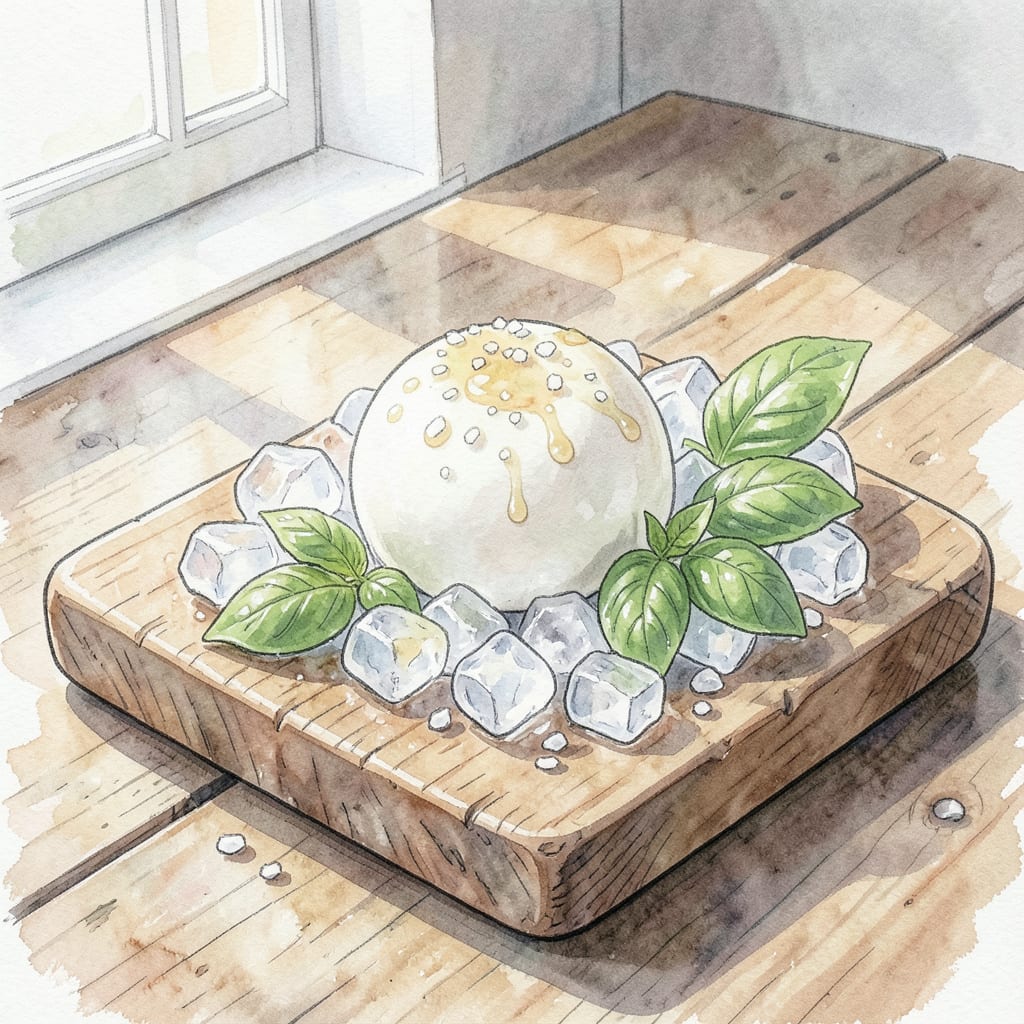
Making fresh mozzarella from scratch is easier than you think, and the result is incredibly creamy cheese that’s perfect for caprese salads or as a pizza topping. I’ve perfected this recipe through years of experimenting with different temperatures and curdling times.
With just a few simple ingredients and some basic kitchen equipment, you’ll be able to create this Italian staple in under an hour. The key is heating the milk to the right temperature and shaping the curds while they’re still warm and pliable.
Ingredients for Fresh Mozzarella
Simple ingredients come together to create creamy fresh mozzarella in under an hour.
| Ingredient | Amount | Notes |
|---|---|---|
| Whole Milk 🥛 | 1 gal | High-quality, non-UHT for best curdling |
| Cheese Salt 🧂 | 1 tbsp | Non-iodized salt preferred |
| Citric Acid 🧪 | 1 tsp | Optional for better curdling |
| Rennet 🧀 | ¼ tsp | Vegetable rennet recommended |
| Brine Water 💧 | 2 cups | For cooling and storing |
| Ice ❄️ | 1 cup | For cooling the curds |
[recipe_ingredient_scaler]
The quality of milk matters here. Whole milk from local dairy gives the best flavor and texture. If you can’t find non-UHT, regular whole milk works too. For the rennet, vegetable rennet is easiest to find and works beautifully. You can usually find it in the canning section or online.
No citric acid? You can skip it, but it helps with curdling. If you have it, great; if not, don’t worry. For cheese salt, kosher or sea salt works if you don’t have specific cheese salt. Just avoid iodized salt as it can affect the cheese’s flavor. The brine water should be cold—add ice if needed to keep it chilled.
This mozzarella is best consumed fresh, but it keeps in cold brine for up to 5 days. Store it in an airtight container submerged in water. If you notice any off smells or slimy texture, it’s time to toss it. You can also freeze it for up to 3 months, though the texture may change slightly.
Step-by-Step Instructions for Fresh Mozzarella
Let’s make creamy fresh mozzarella with these straightforward steps.
Step 1: Prepare the Milk for Curdling
Begin by pouring the 1 gal Whole Milk into a large pot and heating it over medium heat until it reaches 86°F. I use a thermometer to monitor the temperature precisely. Once at 86°F, remove from heat and stir in the 1 tsp Citric Acid until fully dissolved. This step helps create a smooth, even curd.
Let the mixture sit for 5 minutes to allow the citric acid to take effect. You’ll notice the milk starting to curdle and separate – this is exactly what we want. The mixture should now be at a comfortable temperature for adding the rennet.
Step 2: Add Rennet and Allow Curds to Form
Add the 0.25 tsp Rennet to the milk and gently stir for about 30 seconds using an up-and-down motion with your spoon. Be careful not to over-stir, as this can damage the developing curds. After stirring, let the milk sit undisturbed for 5-10 minutes until it has fully coagulated and formed a clean break.
A clean break is when the curd breaks cleanly away from the knife, leaving no strings or residue. If it doesn’t break cleanly, let it sit for a few more minutes and check again. This step is crucial for achieving that perfect mozzarella texture.
Step 3: Cut and Cook the Curds
Once you have a firm curd, cut it into 1-inch cubes using a sharp knife. Let the curds sit for 5 minutes to firm up slightly, then return the pot to low heat and slowly heat the curds to 105-110°F, stirring gently to prevent matting.
As you heat, you’ll notice the curds shrinking and becoming more rubbery – this is normal. Continue heating and stirring until they reach the desired temperature. The curds should now be slightly firm and have a smooth, shiny surface.
Step 4: Stretch and Shape the Mozzarella
Transfer the curds to a colander lined with cheesecloth and let them drain for a few minutes. Then, transfer them to a bowl of hot water (around 160-170°F) and let them sit for 1-2 minutes to soften. Use your hands to gently stretch and fold the curds until they become smooth and pliable.
Once the curds are stretchy, form them into balls or shapes as desired. I like to make small balls for snacking or larger balls for slicing. Work quickly, as the curds will start to firm up again as they cool.
Step 5: Cool and Store in Brine
Immediately submerge the shaped mozzarella into a bowl of 2 cups Brine Water (cooled with 1 cup Ice) and sprinkle with 1 tbsp Cheese Salt. The cold brine helps set the shape and adds flavor. Let the mozzarella sit in the brine for at least 30 minutes before serving.
For longer storage, keep the mozzarella in the refrigerator submerged in its brine, changing the brine every few days to maintain freshness. When you’re ready to enjoy, simply drain and serve – your fresh mozzarella is ready!
Perfect Pairings for This Dish
Classic Italian Pairings
Fresh mozzarella is the star of the classic caprese salad. Simply slice it with heirloom tomatoes and fresh basil leaves, then drizzle with extra virgin olive oil and a sprinkle of flaky sea salt. This simple combination showcases the cheese’s creamy texture. For an authentic Italian experience, serve with crusty Ciabatta bread or Grissini sticks. 🍞
Wine Pairings
A dry Pinot Grigio or Vermentino complements fresh mozzarella beautifully. The crisp acidity cuts through the richness of the cheese. For a more celebratory feel, try a Prosecco or dry Rosé – the bubbles enhance the dining experience. When serving with caprese salad, a light-bodied white wine is ideal. 🍷
Perfect Pizza Combinations
Use your fresh mozzarella on pizza with classic toppings like San Marzano tomatoes, fresh basil, and prosciutto. The creamy cheese melts perfectly under a hot broiler. For a white pizza, combine mozzarella with roasted garlic, caramelized onions, and a sprinkle of Parmesan. The result is a rich, satisfying flavor profile.
Other Delicious Pairings
Try pairing fresh mozzarella with cured meats like salami or mortadella for a simple antipasto. The creamy cheese balances the salty meats beautifully. You can also serve it with a variety of cured olives or a marinated artichoke salad for a more substantial snack. For a lighter option, combine mozzarella with fresh fig jam and prosciutto on a charcuterie board.
Storage and Serving Tips
When storing fresh mozzarella, keep it submerged in its brine or a saltwater bath to maintain moisture. Before serving, gently pat dry with paper towels to remove excess moisture. Let it come to room temperature before serving to maximize flavor. Consider serving on a wooden board with fresh herbs for a rustic presentation. For longer storage, you can keep it in the refrigerator for up to 5 days.
Creative Variations
For a twist, try adding different flavors to your mozzarella during shaping. You can mix in chopped herbs, garlic, or even sun-dried tomatoes for extra flavor. Experiment with different milking sources like buffalo or goat milk for unique tastes. When serving, consider drizzling with truffle oil or balsamic glaze for an elevated experience.
Nutrition Facts

Trained in classic French technique but raised on slow-cooked ribs and spicy rubs, she blends culinary skill with smoke and soul.
- Recipe for Boneless Pork Chops in Cast Iron Skillet: Sear and Baste to Juicy Perfection - October 3, 2026
- Recipe for Boneless Cross Rib Roast: Slow-Roasted Beef with Herb Crust - October 3, 2026
- Hamburgers in Sauce Recipe Crock Pot: Slow-Cooked Savory Delight - October 3, 2026