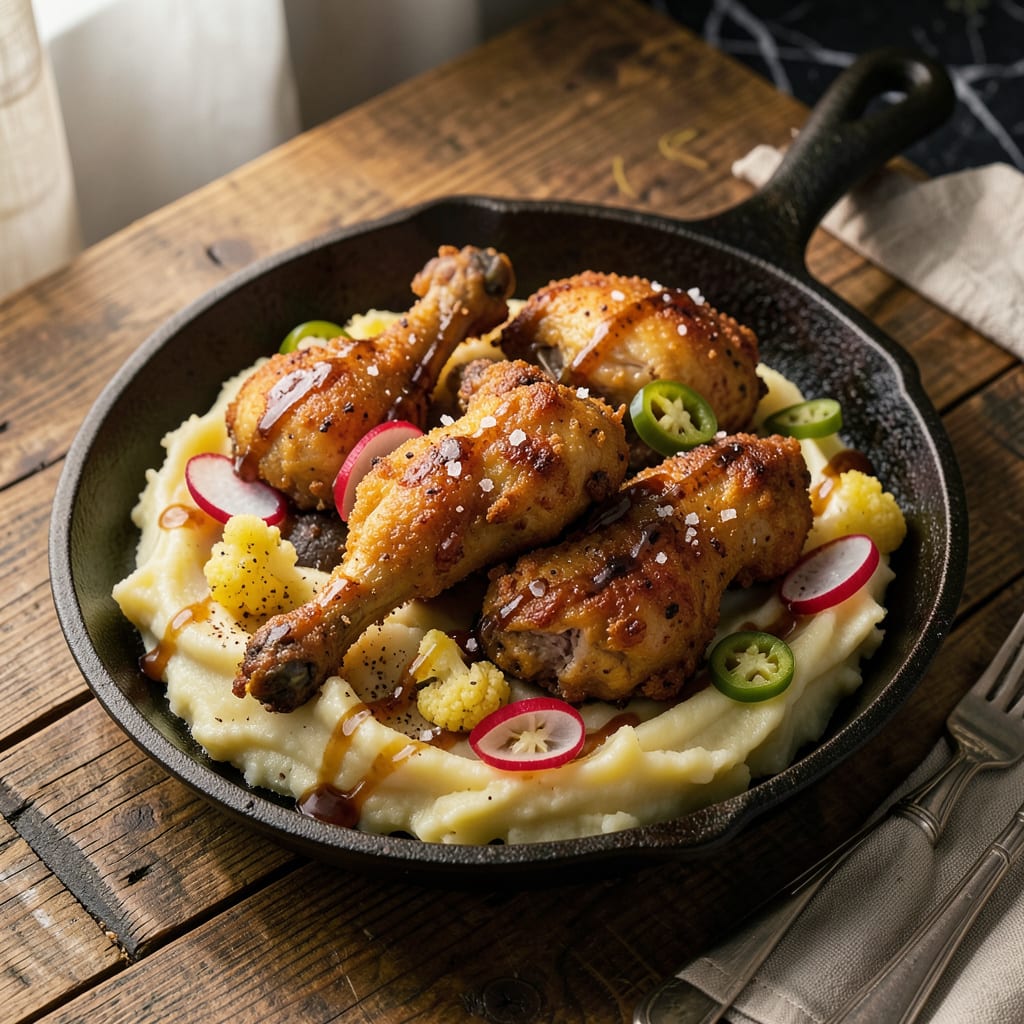
Forget waiting for chicken to thaw—I’ve been frying it straight from frozen for years and getting that same crispy golden crust every time. Honestly, I stumbled onto this method during a last-minute dinner rush, and now it’s my go-to when I need fried chicken fast. The secret is adjusting your oil temperature and cook time to account for the frozen center.
Here’s the thing—frying frozen chicken isn’t just about convenience, it’s about safety too. We’re talking 30 minutes from freezer to table, with a juicy interior that hits 165°F without drying out. I use a simple buttermilk batter that clings perfectly to frozen pieces, creating that shatteringly crisp coating you crave.
What you’ll end up with is chicken that’s golden brown outside, tender inside, with zero icy center. The crust stays crispy thanks to my double-frying trick (yes, even from frozen), and the meat stays juicy because we’re not overcooking it to compensate for being frozen. It’s the kind of fried chicken that’ll have everyone asking for seconds.
Serve it with classic sides like mashed potatoes or coleslaw, or keep it simple with just a drizzle of hot honey. Either way, this method changes the game for busy cooks who want that perfect fried chicken without the thawing wait.
📚 In This Guide
- What You’ll Need
- Instructions
- Tips and Common Mistakes
What Youll Need
- ● Frozen chicken pieces – 4–6 pieces (legs, thighs, or wings; no need to thaw!) 🍗
- ● Vegetable or peanut oil – 2–3 cups (for deep frying; high smoke point required)
- ● All-purpose flour – 1 cup (for dredging; or sub cornstarch for extra crispiness)
- ● Spices & seasonings: Salt – 1 tbsp (or to taste)
- ● Black pepper – 1 tsp
- ● Paprika – 1 tsp (for color & smoky flavor)
- ○ Garlic powder – 1 tsp (optional but recommended)
- ● Tools: Deep fryer or heavy pot (5–6 qt, with high sides to prevent splatter)
- ● Tongs or slotted spoon (for safe flipping)
- ● Paper towels (for draining excess oil)
- ○ Wire rack (optional, keeps chicken crispier)
- ● Candy/deep-fry thermometer (critical for oil temp accuracy!) 🌡️
- ● Safety gear: Apron + oven mitts (oil splatters hurt!)
Instructions
Here’s how to transform frozen chicken into perfectly crispy, golden-brown pieces in just 30 minutes.
Prep the Frozen Chicken for Frying
Remove your frozen chicken pieces from the freezer and place them on a wire rack set over a baking sheet. This setup allows air to circulate around the chicken, which helps it thaw slightly while preventing any excess moisture from pooling. Don’t rinse the chicken—this would add unwanted moisture that interferes with crispiness.
Let the chicken sit at room temperature for 10-15 minutes while you prepare your frying station. This brief rest period helps the chicken cook more evenly once it hits the hot oil. You’ll notice the edges start to soften slightly, which is exactly what we want before frying.
Heat the Oil to the Perfect Temperature
Fill a deep, heavy-bottomed pot or Dutch oven with 2-3 inches of vegetable oil. The pot should be no more than half full to prevent dangerous overflow when you add the chicken. Heat the oil over medium-high heat until it reaches 350°F on a deep-fry thermometer.
Here’s the thing—maintaining the right oil temperature is crucial for crispy chicken. If the oil isn’t hot enough, the chicken will absorb too much oil and become greasy. If it’s too hot, the outside will burn before the inside cooks through. I always test the oil by dropping in a small piece of bread—it should sizzle immediately and turn golden in 30 seconds.
Fry the Chicken in Batches
Carefully lower 2-3 pieces of chicken into the hot oil using tongs. Don’t overcrowd the pot—this would cause the oil temperature to drop too much. Fry the chicken for 12-15 minutes, turning occasionally with tongs, until the crust is deep golden brown and crispy.
You’ll know it’s ready when the internal temperature reaches 165°F and the juices run clear when pierced with a knife. The crust should be audibly crisp when you tap it with your tongs. Transfer the cooked chicken to a wire rack set over a paper towel-lined plate to drain, keeping it warm in a 200°F oven while you fry the remaining batches.
Rest and Serve for Maximum Crispiness
Let the fried chicken rest for 5 minutes before serving. This brief rest allows the crust to set completely and the juices to redistribute within the meat. I know it’s tempting to dig in right away, but this step ensures your chicken stays crispy longer and doesn’t release all its juices when cut.
Serve the chicken while it’s still hot and at its peak crispiness. The exterior should have that satisfying crunch with every bite, while the meat inside remains tender and juicy. If you’ve followed these steps, you’ll have perfectly cooked chicken from frozen—no one will ever guess it didn’t thaw overnight!
Tips and Common Mistakes
Frying chicken straight from frozen doesn’t have to be intimidating—these key insights will help you achieve that perfect crispy crust every time.
Temperature Control: The 10-15 minute rest in Step 1 is non-negotiable. This brief thaw time at room temperature prevents the outside from cooking too quickly while the inside remains frozen. I’ve found that skipping this step leads to uneven cooking and a gummy texture near the bone. The edges should just begin to soften before frying—this is your visual cue that the chicken is ready for the oil.
Oil Management: When heating your 2-3 inches of oil to 350°F in Step 2, use a clip-on deep-fry thermometer for accuracy. The bread test mentioned in the instructions is helpful, but I’ve learned that oil temperature can drop quickly when adding frozen chicken. Between batches, give the oil 2-3 minutes to recover to 350°F before adding more chicken—this maintains that crucial crispy exterior.
The Frying Process: During the 12-15 minute fry time in Step 3, resist the urge to constantly turn the chicken. Let it develop a crust for the first 5 minutes before turning—this creates that deep golden brown color we’re after. I use a slotted spoon to gently press down on any pieces that float to ensure even cooking. Remember, the internal temperature must reach 165°F, so use an instant-read thermometer to check the thickest part of each piece.
Final Crispiness: That 5-minute rest in Step 4 isn’t just about juices redistributing—it’s when the crust reaches its peak crispiness. I place my wire rack over a baking sheet in a 200°F oven during this time to keep everything warm without losing that satisfying crunch. The steam escaping during these final minutes is what transforms a good crust into a great one.
Pro Tips for Fry Chicken From Frozen
- Frying chicken straight from frozen doesn’t have to be intimidating—these key insights will help you achieve that per…
- Temperature Control: The 10-15 minute rest in Step 1 is non-negotiable. This brief thaw time at room temperature prev…
- Oil Management: When heating your 2-3 inches of oil to 350°F in Step 2, use a clip-on deep-fry thermometer for accura…
Frequently Asked Questions
Can I fry frozen chicken without thawing it first?
Yes! You can safely fry frozen chicken as long as you adjust the cooking time and oil temperature. Use a lower heat (325°F) initially to cook the inside thoroughly, then increase to 375°F for crispiness. Always check the internal temp reaches 165°F with a meat thermometer.
How much longer does frozen chicken take to fry compared to thawed?
Frozen chicken typically takes 50-75% longer to fry than thawed. For example, wings may need 15-18 minutes (vs. 10-12 thawed), while breasts could take 20-25 minutes. Always verify doneness with a thermometer—color alone isn’t reliable!
What’s the best oil for frying frozen chicken?
Opt for oils with a high smoke point like peanut, canola, or vegetable oil. They handle prolonged frying at 350°F+ without burning. Avoid olive oil—it smokes at lower temps. For extra crispiness, try a 50/50 blend of oil and shortening!
Why is my frozen fried chicken soggy or greasy?
Sogginess usually means the oil temp dropped too low (below 325°F) or the chicken wasn’t dried well before frying. Pat it very dry with paper towels, and fry in small batches to maintain oil heat. Drain on a wire rack, not paper towels, to keep it crisp!
Are there safer alternatives to deep-frying frozen chicken?
For a lighter option, try air-frying (400°F for 20-25 mins, flipping halfway) or oven-baking (425°F for 30-40 mins on a wire rack). Both methods still deliver crispiness with less oil. Just spray or toss the chicken lightly in oil first!
Frying chicken straight from frozen is easier than you think—no thawing, no stress, just crispy perfection in 30 minutes! 🍗✨ With the right oil temp, a few pro tips, and a watchful eye, you’ll lock in juicy flavor while achieving that golden crunch every time. Whether it’s a last-minute dinner or a crowd-pleasing snack, this method saves time without sacrificing taste.
Ready to give it a try? Grab your frozen chicken, heat that oil, and get frying—your taste buds will thank you! For extra confidence, bookmark this guide or share it with a fellow home cook who needs a quick win. Happy frying! 🔥

Trained in classic French technique but raised on slow-cooked ribs and spicy rubs, she blends culinary skill with smoke and soul.
- Recipe for Boneless Pork Chops in Cast Iron Skillet: Sear and Baste to Juicy Perfection - October 3, 2026
- Recipe for Boneless Cross Rib Roast: Slow-Roasted Beef with Herb Crust - October 3, 2026
- Hamburgers in Sauce Recipe Crock Pot: Slow-Cooked Savory Delight - October 3, 2026