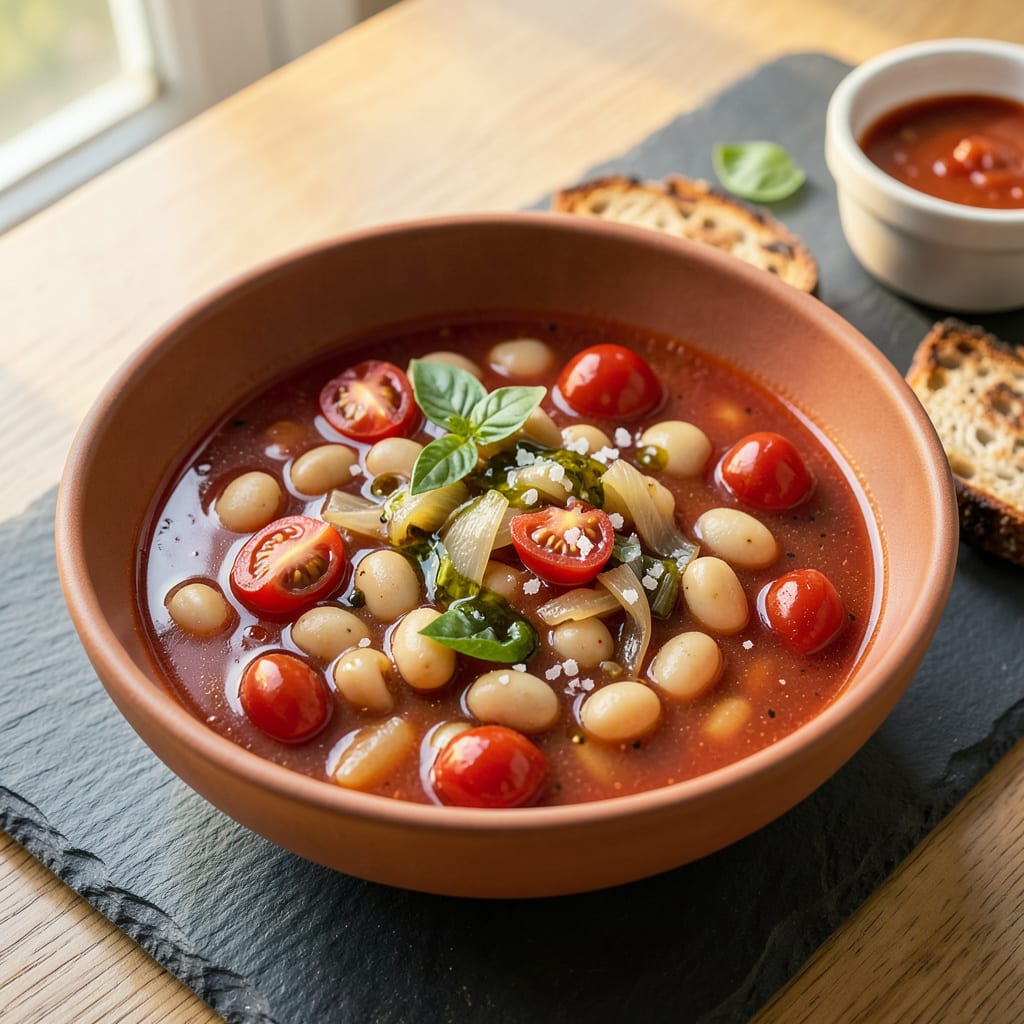
Every cook has faced that moment of panic when a heavy hand with the salt shaker ruins an otherwise perfect dish. After years of teaching cooking classes, I’ve developed five reliable methods to rescue oversalted food—each backed by culinary science and tested in my own kitchen. The key lies in understanding how salt interacts with other ingredients and using that knowledge to restore balance.
For liquid-based dishes like soups or sauces, dilution is often the simplest solution. Adding unsalted broth, water, or even dairy (for creamy dishes) can effectively reduce salt concentration without altering flavor profiles. The principle of osmosis works in your favor here—liquid helps distribute salt molecules more evenly while lowering overall intensity. This method works particularly well for hearty stews or braises where additional liquid won’t compromise texture.
When dealing with solid foods or baked goods, bulking up with unsalted components proves most effective. For meat dishes, add unsalted stock or mashed potatoes. In baked recipes, incorporate additional flour or sugar (depending on the dish) to absorb and distribute excess salt. Acidic ingredients like lemon juice or vinegar can also help by creating a flavor contrast that makes salt less dominant on the palate.
Prevention remains the best strategy: taste as you season, use fine salt for better control, and remember that flavors intensify as food cooks. These quick fixes will save most dishes, but developing careful salting habits ensures you’ll rarely need them. The solution often lies in understanding your ingredients and how they interact throughout the cooking process.
📚 In This Guide
- What You’ll Need
- Instructions
- Tips and Common Mistakes
What Youll Need
- ● Basic kitchen tools: Measuring spoons (1 tsp, ½ tsp, ¼ tsp) and cups (for precise adjustments 🎯)
- ● Mixing bowls (2–3, varying sizes)
- ● Whisk or spoon for stirring
- ● Tasting spoons (clean ones for repeated taste tests!)
- ● Salt-balancing ingredients (pick 1–2 based on your dish): Unsalted butter or oil (1–2 tbsp, for fatty dishes like sauces or soups)
- ● Sugar, honey, or maple syrup (½–1 tsp, for sweet-savory balance)
- ● Acidic liquids: lemon juice, vinegar (apple cider or white), or lime (1–2 tsp)
- ● Starchy fillers: cooked rice, potatoes, or pasta (½–1 cup, to dilute saltiness)
- ● Dairy: plain yogurt, milk, or cream (¼–½ cup, for creamy dishes)
- ○ Optional (but helpful!): Fresh herbs (cilantro, parsley, or basil) to mask saltiness with flavor
- ● Extra water or unsalted broth (½–1 cup, for soups/stews)
- ● pH strips (if you’re testing acidity levels in sauces)
- ● Prerequisites: Your over-salted dish (already prepared—oops! 😅)
- ● Patience for taste-testing between adjustments
Instructions for Fixing an Over-Salted Dish
Don’t panic—these simple techniques will balance your dish in minutes using common kitchen ingredients.
Dilute with Water or Broth
The fastest solution is to add liquid and reduce. For soups, stews, or sauces, stir in ½ cup of water or unsalted broth and let it simmer for 5 minutes. Taste and repeat if needed, but don’t overdo it—you want to maintain the original flavor intensity, just with less salt concentration.
This works because you’re increasing the volume without adding more salt. For heartier dishes like chili or braises, use low-sodium broth instead of water to preserve depth of flavor. If the texture becomes too thin, let it reduce uncovered for 10-15 minutes until it reaches your desired consistency.
Step 2: Add Acid to Balance Flavors
A splash of acid can neutralize saltiness by stimulating different taste receptors. Try adding 1 tablespoon of lemon juice, vinegar, or white wine to your dish. Stir well and taste before adding more—you want brightness, not sourness.
For creamy dishes like mashed potatoes or sauces, a small amount of plain yogurt or buttermilk works wonders. The acidity cuts through salt while adding richness. Remember that acids also tenderize proteins, so add them near the end of cooking to prevent meat or vegetables from becoming mushy.
Step 3: Incorporate Starchy Ingredients
Uncooked starch absorbs excess salt and liquid. For soups and stews, add ½ cup of diced raw potatoes, uncooked rice, or pasta and simmer for 10-15 minutes. The starch will soak up salt, then you can remove it before serving.
For sauces or gravies, make a quick slurry with 1 tablespoon of cornstarch or flour mixed with 2 tablespoons of cold water. Whisk it into your dish and simmer for 2-3 minutes until slightly thickened. The starch molecules will bind with salt ions, reducing their intensity on your palate.
Step 4: Bulk Up with Unsalted Ingredients
Double down on the main ingredients to dilute the salt concentration. For vegetable dishes, add more uncooked or blanched vegetables—they’ll absorb salt as they cook. For meat-based dishes, incorporate extra protein like shredded chicken or tofu that hasn’t been seasoned.
This technique works particularly well with casseroles, stir-fries, or grain-based dishes. The key is to add ingredients that complement the existing flavors while being naturally low in sodium. For example, in an over-salted tomato sauce, stir in extra canned tomatoes (no salt added) and let it simmer for 10 minutes to meld the flavors.
Step 5: Sweeten to Counterbalance
A touch of sweetness can mask saltiness by providing contrast. Start with ½ teaspoon of sugar, honey, or maple syrup and stir well. This works especially well in tomato-based sauces, Asian-inspired dishes, or caramelized vegetable preparations.
For savory dishes, consider adding naturally sweet vegetables like carrots, bell peppers, or sweet potatoes. Roast or sauté them separately, then incorporate into your dish. The natural sugars will balance the salt while adding complexity to the flavor profile. Taste as you go—you want harmony, not a sweet dish.
Tips and Common Mistakes
These quick adjustments will help you salvage your dish without compromising flavor—learned from years of kitchen experiments.
Timing Secret: When adding the ½ cup of water or unsalted broth in Step 1, don’t rush the 5-minute simmer. This brief window allows the liquid to fully integrate with the existing flavors while diluting the salt concentration evenly. If you’re working with a delicate sauce, reduce the heat slightly to prevent separation during this critical period.
Technique Tip: For Step 3’s starch method, the 10-15 minute simmer is non-negotiable. Here’s what nobody tells you—raw potatoes absorb salt most effectively when cut into small, uniform cubes. If using rice or pasta, rinse them briefly before adding to remove surface starch that could make your dish cloudy. Remove the starch vehicle immediately after simmering to prevent it from disintegrating.
Flavor Balance Insight: The 1 tablespoon of acid in Step 2 should be added gradually while the dish is off direct heat. I’ve found that white wine vinegar works particularly well in tomato-based dishes, while rice vinegar complements Asian-inspired flavors. For creamy dishes, whisk the yogurt or buttermilk into a small amount of the hot liquid first to temper it before incorporating into the main dish—this prevents curdling.
Sweetness Strategy: When using the ½ teaspoon of sweetener in Step 5, consider the dish’s existing flavor profile. Maple syrup enhances smoky or caramelized notes, while white sugar works better in clear broths. The key is adding just enough to create balance—not enough to taste sweet. I often use a toothpick to add tiny amounts incrementally until reaching the perfect equilibrium.
Pro Tips for Counteract Too Much Salt In A Recipe
- These quick adjustments will help you salvage your dish without compromising flavor—learned from years of kitchen exp…
- Timing Secret: When adding the ½ cup of water or unsalted broth in Step 1, don’t rush the 5-minute simmer. This brief…
- Technique Tip: For Step 3’s starch method, the 10-15 minute simmer is non-negotiable. Here’s what nobody tells you—ra…
Frequently Asked Questions
Can I fix a dish that’s too salty after it’s already cooked?
Try adding a starchy ingredient like potatoes, rice, or pasta to absorb excess salt. For soups or stews, dilute with water or unsalted broth, then adjust seasoning. Acidic elements (lemon juice, vinegar) can also balance saltiness without overpowering flavors.
How much extra liquid should I add to reduce saltiness?
Start small—add ½ cup of water, broth, or milk per 4 servings, then taste. For sauces, increase by 1-2 tbsp at a time. Avoid over-diluting; instead, bulk up with unsalted ingredients (e.g., cooked veggies or beans) to maintain texture.
Does adding sugar really help counteract salt?
Yes, but use it sparingly! A pinch of sugar (or honey) can neutralize salt’s harshness in tomato sauces, marinades, or Asian dishes. Balance is key—too much sugar creates a new problem. Test in small increments (¼ tsp at a time).
What’s the fastest fix for overly salty meat or poultry?
Rinse brined or marinated meat under cold water for 10–15 seconds, then pat dry. For cooked meat, soak slices in milk or buttermilk for 10 minutes to draw out salt. If time allows, simmer in unsalted liquid (e.g., water + herbs) for 15–20 minutes.
Are there ingredients I should avoid when fixing salty food?
Skip soy sauce, cured meats (bacon, ham), pickles, or salty cheeses—they’ll worsen the issue. Also avoid reducing sauces further (evaporation concentrates salt). Instead, focus on fresh herbs, citrus, or dairy to mellow flavors naturally.
Too much salt doesn’t have to ruin your dish! With a few simple tricks—like diluting, balancing, or absorbing—you can save your meal and keep the flavors in check. 🌟 Remember, a little creativity (and maybe an extra potato or splash of acid) goes a long way in the kitchen.
Next time you’re cooking, taste as you go to avoid over-salting from the start. Ready to put these fixes to the test? Grab a spoon and try one of these methods on your next culinary adventure!

Trained in classic French technique but raised on slow-cooked ribs and spicy rubs, she blends culinary skill with smoke and soul.
- Recipe for Boneless Pork Chops in Cast Iron Skillet: Sear and Baste to Juicy Perfection - October 3, 2026
- Recipe for Boneless Cross Rib Roast: Slow-Roasted Beef with Herb Crust - October 3, 2026
- Hamburgers in Sauce Recipe Crock Pot: Slow-Cooked Savory Delight - October 3, 2026