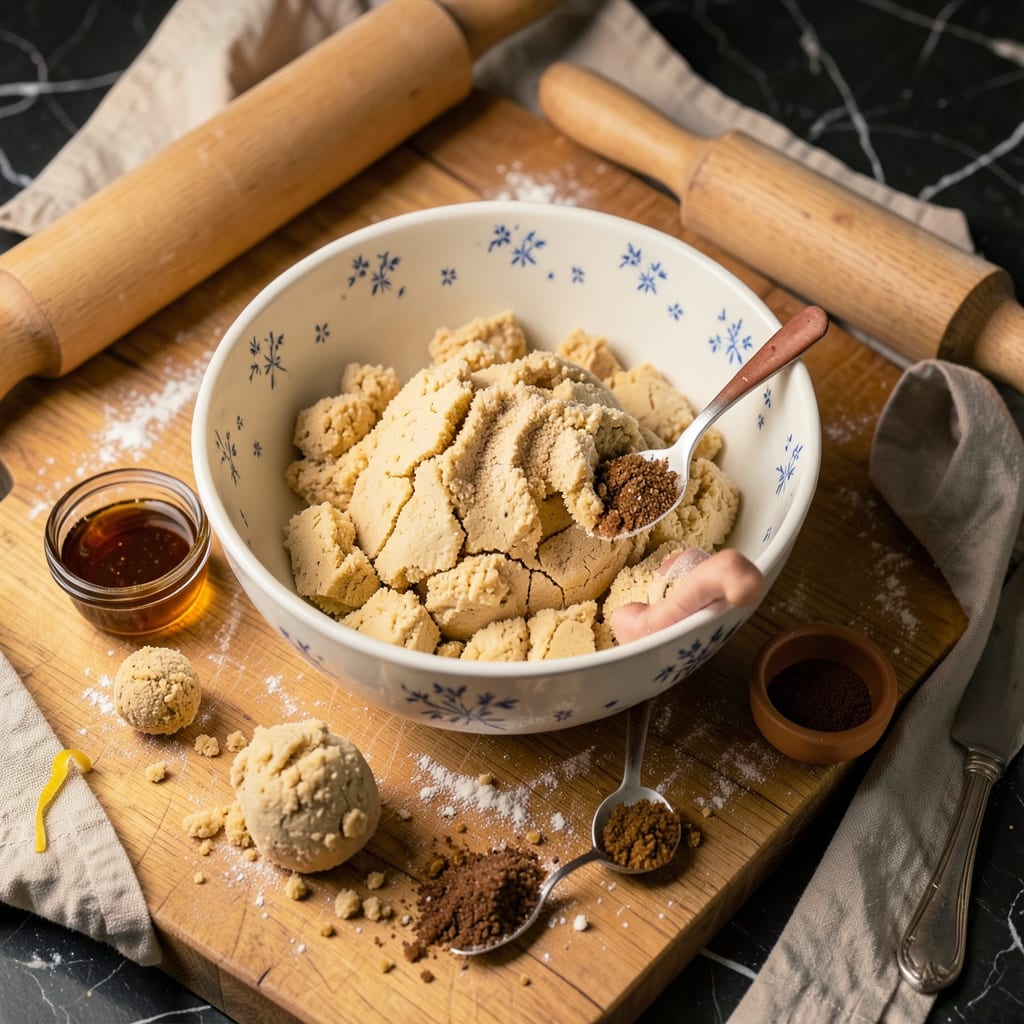
Nothing ruins holiday baking faster than gingerbread dough that crumbles apart when you try to roll it out. I’ve been there—excited to make festive cutouts, only to end up with a dry, sandy mess that won’t hold its shape. The good news? This is an easy fix with just a few simple adjustments to your dough.
Most crumbly gingerbread issues come down to two things: not enough moisture or too much flour. Standard gingerbread dough should have a flour:fat:sugar ratio of about 3:1:1, but if your kitchen’s dry or you measured flour too heavily, that balance gets thrown off. The fix is usually as simple as adding 1-2 tablespoons of water, milk, or even molasses—just enough to bring the dough together without making it sticky.
Here’s the thing—overworking the dough can also make it crumbly by developing too much gluten. If your dough feels tough when you knead it, you’ve gone too far. The solution? Chill the dough for 30 minutes before rolling. This relaxes the gluten and lets the flour fully hydrate, making it much easier to handle. No more cracked edges or broken cookies.
With these adjustments, you’ll get smooth, pliable dough that holds its shape when cut and bakes up perfectly. No wasted batches, no frustration—just festival-ready gingerbread that actually looks as good as it tastes. Let’s save that dough!
📚 In This Guide
- What You’ll Need
- Instructions
- Tips and Common Mistakes
What Youll Need
- ● Dry ingredients: 3 ¼ cups (405g) all-purpose flour (sifted for best results 🌟)
- ● 1 ½ tsp ground ginger (freshly ground if possible)
- ● 1 tsp ground cinnamon
- ● ½ tsp ground cloves or allspice
- ● ½ tsp baking soda
- ● ½ tsp salt (fine sea salt preferred)
- ○ ¼ tsp black pepper (optional, for depth)
- ● Wet ingredients: ¾ cup (170g) unsalted butter (cold, cubed)
- ● ½ cup (120ml) molasses (unsulphured for smoother flavor)
- ● ⅓ cup (65g) packed brown sugar (light or dark)
- ● 1 large egg (room temperature)
- ● 1 tsp vanilla extract (pure)
- ● Tools: Stand mixer or hand mixer (with paddle attachment)
- ● Rolling pin (non-stick or wooden)
- ● Plastic wrap or parchment paper (for chilling)
- ● Gingerbread cutters (your favorite shapes!)
- ○ Pastry brush (optional, for egg wash)
- ● Kitchen scale (highly recommended for precision ⚖️)
- ● Prerequisites: Chill dough for at least 2 hours (or overnight for best texture ❄️)
- ● Preheat oven to 350°F (175°C) before baking
- ● Lightly floured surface for rolling (use 1-2 tbsp extra flour)
Instructions
Here’s exactly how to transform crumbly gingerbread dough into smooth, workable perfection in just a few simple steps.
Assess the Dough’s Moisture Level
Start by examining your dough’s texture. If it cracks when you press it gently between your fingers or won’t hold together when squeezed, it definitely needs more moisture. I like to test this by trying to roll a small piece into a ball—if it falls apart immediately, we’ve got work to do.
Don’t worry if it seems hopeless right now. Most crumbly gingerbread dough just needs a little extra liquid to bring it back to life. The key is adding moisture gradually so you don’t end up with sticky dough instead. Trust me, we can fix this without starting over from scratch.
Add Liquid One Tablespoon at a Time
Begin with 1 tablespoon of cold water or milk—this is my secret weapon for crumbly dough. Use your fingertips to work it gently into the dough, pressing and folding until fully incorporated. I always start with water because it’s neutral, but milk adds a touch of richness if you prefer.
After each addition, test the dough again by pressing it between your palms. You’re looking for a smooth surface that holds together without sticking. This process might take 3-5 tablespoons total, but go slowly—it’s easier to add more than to fix dough that’s become too wet.
Knead Gently to Distribute Moisture
Once the dough starts holding together, turn it out onto a lightly floured surface. Knead it gently for just 30-60 seconds—this isn’t bread dough, so we’re not developing gluten. The goal is simply to evenly distribute the added moisture throughout.
Watch for the dough to transform from crumbly to cohesive. It should feel pliable but not sticky when you press it. If it’s still breaking apart, add another ½ tablespoon of liquid and knead briefly again. I’ve found this gentle approach prevents overworking while ensuring perfect consistency.
Rest the Dough Before Rolling
Shape the dough into a flat disc about 1 inch thick, wrap it tightly in plastic wrap, and refrigerate for 30 minutes. This resting period lets the moisture redistribute evenly and gives the gluten a chance to relax, which makes rolling much easier.
When you’re ready to roll, let the dough sit at room temperature for 5-10 minutes to soften slightly. You’ll know it’s perfect when it rolls out smoothly without cracking at the edges. If you notice any dry spots during rolling, just press them gently with your fingers to seal.
Test with a Practice Cutout
Before cutting all your shapes, do a test run with one simple cookie cutter. The dough should hold its shape cleanly when lifted and transfer easily to your baking sheet. If the edges crack slightly, that’s okay—just press them gently with your fingertip to smooth.
If the test cutout spreads or loses its shape, your dough might still be too dry. Add another ½ tablespoon of liquid, knead briefly, and test again. Perfect gingerbread dough should keep its shape from cutter to oven, with clean edges that don’t spread during baking.
Tips and Common Mistakes
Let me share what I’ve learned from rescuing countless batches of crumbly gingerbread dough—these small details make all the difference.
Liquid Choice Matters: In Step 2, when adding that first tablespoon of liquid, consider what flavor you want. Cold water gives you a neutral base that lets the spices shine, while milk adds subtle richness. I’ve found that for heavily spiced dough, water actually helps the flavors pop more. Either way, make sure it’s cold—warm liquid can start melting the butter in your dough, which changes the texture entirely.
Kneading Technique: During Step 3, remember that gingerbread dough is more delicate than you might think. Those 30-60 seconds of kneading should be just enough to bring everything together—think of it as gently persuading the dough rather than working it aggressively. I like to use the heel of my hand to press and fold, which distributes moisture without overdeveloping gluten. You’ll feel the difference when it goes from resisting your touch to moving smoothly under your hands.
Resting Wisdom: The 30-minute chill in Step 4 isn’t just about firming up the dough—it’s when the magic happens. This resting period lets the liquid you added fully absorb into the dry ingredients, creating a uniform texture. I’ve noticed that dough rested exactly 30 minutes rolls out more evenly than dough chilled longer, which can become too firm. When you take it out, those 5-10 minutes at room temperature are crucial for preventing cracks when rolling.
Test Cut Strategy: For Step 5, choose a simple shape like a circle or square for your practice cutout. Complex shapes can mask whether your dough is truly ready. Pay attention to how cleanly it releases from the cutter—if you have to wiggle it, the dough needs more moisture. I always do this test with the smallest cutter I plan to use, as smaller shapes reveal consistency issues that larger ones might hide.
Pro Tips for Gingerbread Dough Too Crumbly
- Let me share what I’ve learned from rescuing countless batches of crumbly gingerbread dough—these small details make …
- Liquid Choice Matters: In Step 2, when adding that first tablespoon of liquid, consider what flavor you want. Cold wa…
- Kneading Technique: During Step 3, remember that gingerbread dough is more delicate than you might think. Those 30-60…
Frequently Asked Questions
Why is my gingerbread dough crumbly even after adding more liquid?
If your dough stays crumbly after extra liquid, it’s likely overmixed or too dry from excess flour. Knead gently just until combined—overworking develops gluten, making dough tough and brittle. Try wrapping it in plastic and chilling for 30 minutes; hydration redistributes during rest.
Can I fix crumbly gingerbread dough without starting over?
Sprinkle 1 teaspoon of water or milk at a time, kneading lightly between additions. Avoid dumping liquid—too much makes dough sticky. If it’s still dry, mix in 1 tablespoon softened butter for moisture and binding.
How long should I chill crumbly dough before rolling?
Chill for at least 1 hour (or up to 24 hours). Cold dough firms up fats, reducing spread and crumbling. If rushed, freeze for 20 minutes. Pro tip: Roll between parchment paper to prevent cracking!
What’s the best substitute if I don’t have molasses for moist dough?
Swap molasses 1:1 with honey, maple syrup, or dark corn syrup. Honey adds sweetness but less depth; molasses substitutes may lighten color. For richness, add 1 teaspoon brown sugar + ½ teaspoon spice (cinnamon or ginger).
Does altitude affect gingerbread dough texture?
Yes! High altitude dries dough faster. Reduce flour by 1–2 tablespoons and increase liquid slightly. Cover dough with a damp towel while working to prevent drying. Bake at 350°F (175°C) and check 2–3 minutes early.
If your gingerbread dough is too crumbly, don’t toss it—just tweak it! 🎄✨ The fix is usually as simple as adding a splash of water, adjusting your fat ratio, or giving it a little more kneading love. With these easy adjustments, you’ll be rolling out smooth, sturdy dough ready for festive cutouts in no time.
Now that you’ve got the know-how, grab your rolling pin and put your new skills to the test! Try mixing a small batch with your adjusted recipe, and don’t forget to share your perfectly decorated gingerbread creations with friends and family. Happy baking! 🍪🎉

Trained in classic French technique but raised on slow-cooked ribs and spicy rubs, she blends culinary skill with smoke and soul.
- Recipe for Boneless Pork Chops in Cast Iron Skillet: Sear and Baste to Juicy Perfection - October 3, 2026
- Recipe for Boneless Cross Rib Roast: Slow-Roasted Beef with Herb Crust - October 3, 2026
- Hamburgers in Sauce Recipe Crock Pot: Slow-Cooked Savory Delight - October 3, 2026