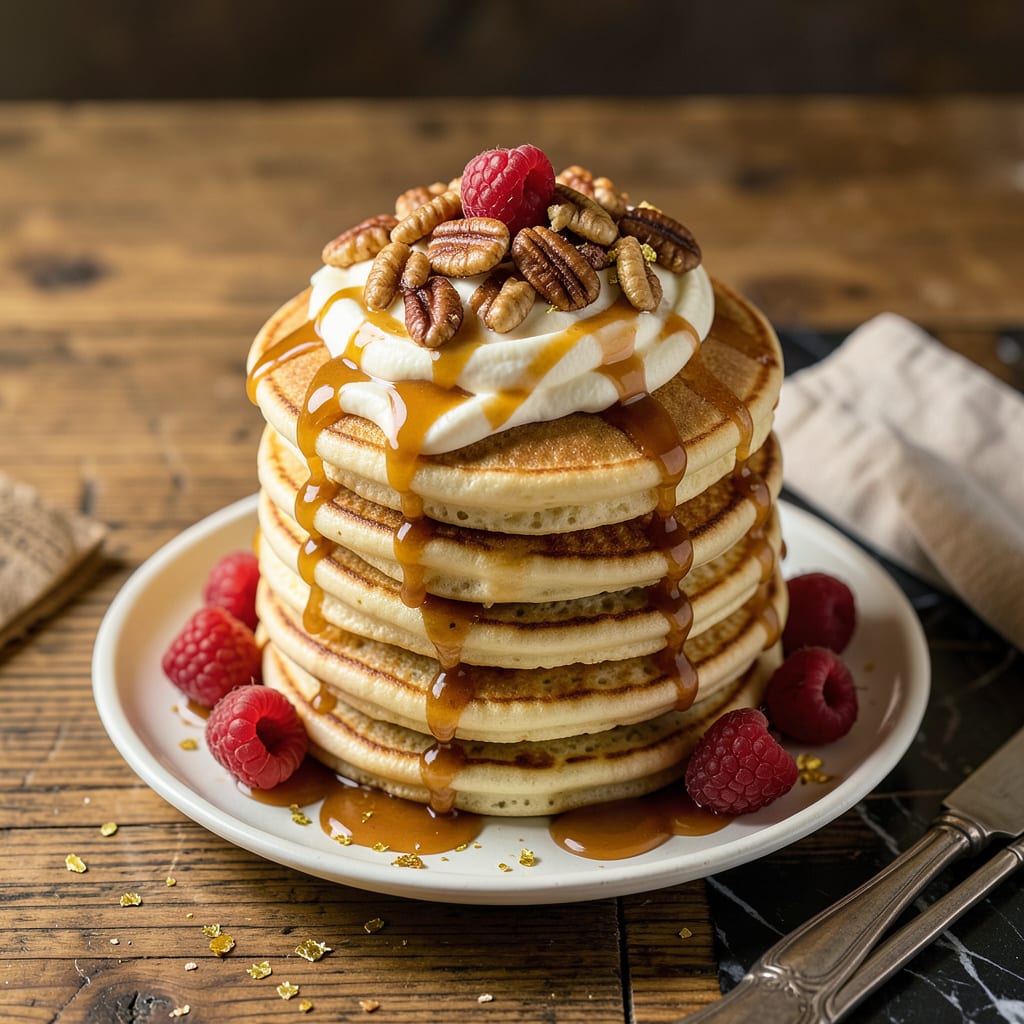
The Glucose Goddess Recipe Club offers science-backed, blood sugar-friendly meals that focus on flavor without spikes. Members get exclusive recipes, meal plans, and community support for balanced eating—ideal for those managing glucose levels or seeking sustainable energy.
This isn’t just another meal plan—it’s a strategic system designed to outsmart glucose rollercoasters. 🔥 The recipes leverage food sequencing (like eating veggies before carbs) and glycemic load awareness to prevent energy crashes. What sets it apart is the focus on practicality: dishes take under 30 minutes but deliver restaurant-worthy taste, proving healthy eating doesn’t require sacrifice.
From my perspective as a chef, the real magic lies in the ingredient pairings—think cinnamon with savory dishes to slow glucose absorption, or apple cider vinegar in dressings to blunt blood sugar responses. ✨ The community aspect adds accountability, with members sharing hacks like batch-prepping the famous 5-minute lunches or swapping traditional desserts for the club’s chocolate avocado mousse (a fan favorite with zero spikes).
💡 In This Article
- How the Glucose Goddess Approach Stabilizes Blood Sugar
- Top 5 Must-Try Recipes from the Glucose Goddess Club
How the Glucose Goddess Approach Stabilizes Blood Sugar
The science here revolves around glycemic load management—not just avoiding sugar, but strategically combining foods to slow digestion. The recipes prioritize fiber-first eating, where non-starchy vegetables (like leafy greens or broccoli) are consumed before carbohydrates. This creates a physical barrier in your digestive tract, forcing carbs to absorb more gradually.
Studies show this simple sequencing can reduce glucose spikes by up to 50% compared to eating carbs alone.
Protein and healthy fats act as the second line of defense. Every recipe balances macros with precision—for example, pairing 1/2 cup quinoa with 4 oz grilled salmon and 1 tbsp olive oil. The fat and protein trigger slower gastric emptying, while the vinegar-based dressings (a club staple) add acetic acid, which improves insulin sensitivity.
🔥 Even the savory oatmeal recipe includes 2 tbsp nut butter and 1 tsp cinnamon—both proven to moderate blood sugar responses.
Meal timing gets redefined too. The club emphasizes front-loading—consuming the majority of carbs earlier in the day when insulin sensitivity is naturally higher. Their 5-minute lunch formulas (like chickpea salads with lemon-tahini dressing) are designed to be eaten by 1 PM, aligning with circadian rhythms.
Members report fewer 3 PM crashes after switching to this pattern, with energy levels remaining steady for 4-6 hours post-meal.
What’s brilliant is how flavor isn’t sacrificed. Take their dark chocolate avocado mousse: the 1/2 avocado provides monounsaturated fats that slow cocoa absorption, while 1 tbsp chia seeds add fiber. The result? A dessert that tastes indulgent but causes minimal glucose fluctuation.
✨ Even the spiced nuts snack (a mix of almonds, walnuts, and cayenne) uses heat to distract taste buds from craving sweets—clever psychology meets metabolism science.
The community aspect reinforces consistency. Members share hacks like pre-cutting veggies for fiber-first plates or batch-cooking the lentil Bolognese (which freezes for 3 months without texture loss). The private Facebook group has over 12,000 members troubleshooting everything from travel-friendly meals to holiday dessert swaps.
It’s this combination of science, practicality, and support that makes the system sustainable long-term.
One underrated gem is their “hack your cravings” guide. It explains how umami-rich foods (like mushrooms or nutritional yeast) can satisfy sweet cravings by activating different taste receptors. The miso-glazed eggplant recipe, for instance, uses 1 tsp white miso to add depth while keeping net carbs under 8g per serving.
This kind of strategic flavor layering is why members stick with the plan—it’s not about deprivation, but outsmarting biology with delicious food.
For those tracking metrics, the club provides glucose response templates where members log their numbers after trying new recipes. The average drop in post-meal spikes is 30-40 mg/dL within the first month.
💫 That’s the difference between feeling sluggish after meals and maintaining steady energy—all while eating foods that actually taste exciting, not like “diet” food.

Trained in classic French technique but raised on slow-cooked ribs and spicy rubs, she blends culinary skill with smoke and soul.
- Recipe for Boneless Pork Chops in Cast Iron Skillet: Sear and Baste to Juicy Perfection - October 3, 2026
- Recipe for Boneless Cross Rib Roast: Slow-Roasted Beef with Herb Crust - October 3, 2026
- Hamburgers in Sauce Recipe Crock Pot: Slow-Cooked Savory Delight - October 3, 2026