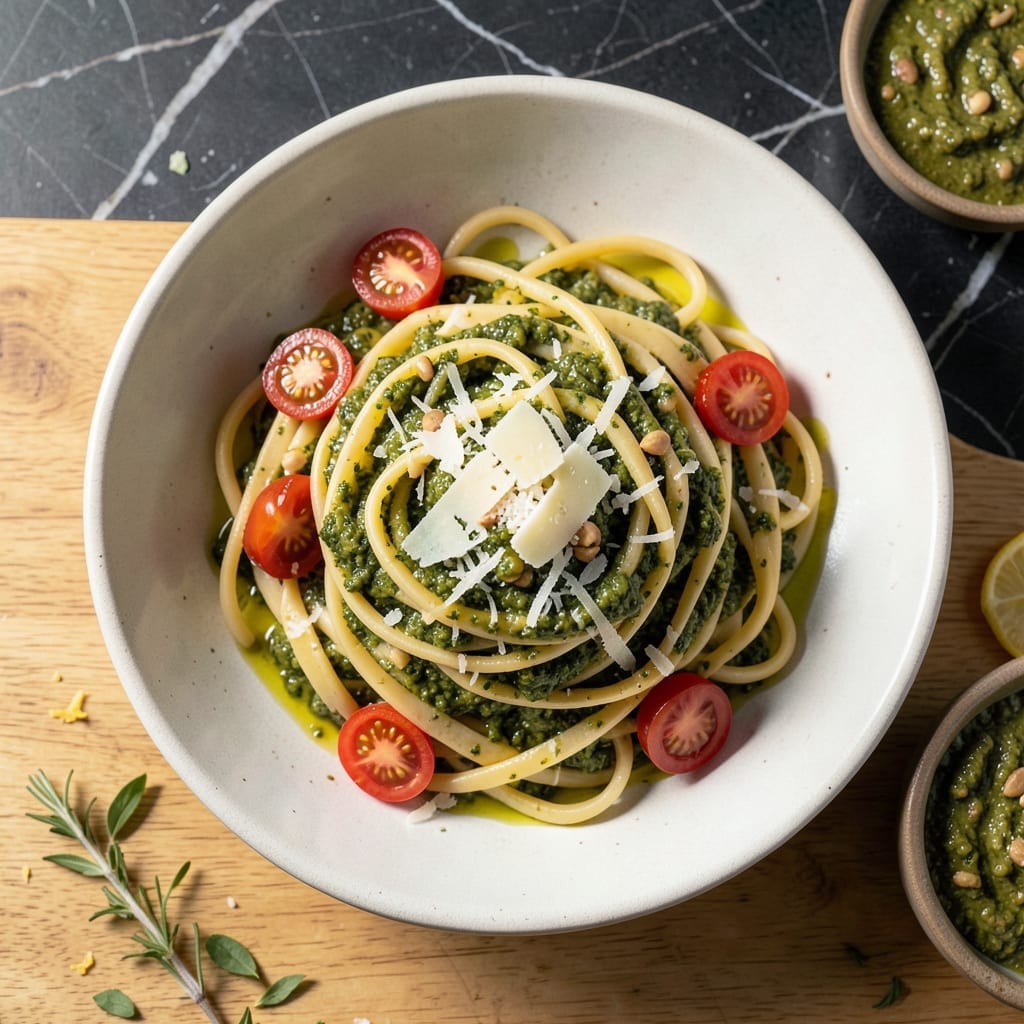
Fresh gluten-free pasta at home is a game-changer, and this egg-free version delivers restaurant-quality results. My years in professional kitchens taught me the importance of texture in pasta—this recipe nails it.
The secret lies in the right flour blend and proper hydration. With just 5 ingredients and no special equipment, you can roll out noodles that hold their shape and cook up perfectly al dente.
These noodles have the same bite and flavor as traditional pasta, without the gluten. They cook in 2-3 minutes, making them ideal for quick weeknight meals or impressive dinner parties.
Serve with your favorite sauce, or keep it simple with olive oil and herbs. The possibilities are endless with this versatile base.
Ingredients for Gluten Free Pasta Recipe from Scratch
Five simple ingredients transform into restaurant-quality gluten-free pasta with perfect texture.
| Ingredient | Amount | Notes |
|---|---|---|
| Gluten-Free All-Purpose Flour Blend 🌾 | 2 cups | Plus extra for dusting surfaces |
| Tapioca Starch 🌾 | ½ cup | For elasticity and chew |
| Xanthan Gum 🧪 | ½ tsp | Helps bind the dough |
| Sea Salt 🧂 | 1 tsp | Fine grain preferred |
| Olive Oil 🫒 | 1 tbsp | Extra-virgin for richness |
| Warm Water 💧 | ¾ cup | Adjust as needed for consistency |
[recipe_ingredient_scaler]
The flour blend is everything here. Bob’s Red Mill 1-to-1 is my go-to for consistency, but King Arthur’s Measure for Measure works too. The tapioca starch adds that essential chew—don’t skip it. Xanthan gum might sound intimidating, but it’s just a binder (and a little goes a long way). Look for these in the baking aisle at Whole Foods or any well-stocked grocery store.
No xanthan gum? Psyllium husk powder at half the amount works in a pinch, though the texture varies slightly. Out of tapioca starch? Cornstarch can substitute, but the noodles won’t be as elastic. The olive oil can be any neutral oil if you’re out (avocado oil’s great). For the water, just make sure it’s warm—not hot—to activate the starches properly.
Dough keeps wrapped in plastic for 2 days in the fridge, or freeze for 1 month. Fresh pasta cooks fast, so keep an eye on it—it’s done when it floats. Leftovers? Toss with a bit of oil to prevent sticking and store for 3-4 days.
Why You’ll Love This Recipe
- One Bowl Wonder: I mix the flour blend, tapioca starch, and xanthan gum right in the same bowl—no extra dishes, no fuss.
- Rich, Toothy Bite: The olive oil and sea salt give it a depth that store-bought just can’t match. Honestly, it holds sauce better than any boxed pasta I’ve tried.
- Freezer’s Best Friend: I roll out a double batch, cut it, and freeze half for those nights I’m too tired to cook from scratch.
- Pantry Staples Only: No special trips to the store. Between us, I always have these ingredients on hand, so pasta night is never off the table.
Step-by-Step Instructions for Gluten Free Pasta From Scratch
Here’s the method I swear by for fresh, tender pasta without eggs.
Step 1: Combine Dry Ingredients for Structure
In a large mixing bowl, whisk together the 2 cups Gluten-Free All-Purpose Flour Blend, 0.5 cup Tapioca Starch, 0.5 tsp Xanthan Gum, and 1 tsp Sea Salt until fully incorporated. The xanthan gum is crucial—it mimics the elasticity that gluten would normally provide, so don’t skip it.
I like to sift the flour blend first to break up any lumps, ensuring a smooth, consistent texture in the final dough. This step takes about 1 minute of vigorous whisking. You’ll notice the mixture looks slightly off-white, which is normal for gluten-free flours.
Step 2: Create the Dough Base
Make a well in the center of the dry ingredients. Pour in the 1 tbsp Olive Oil and 0.75 cup Warm Water. Using a fork, gradually incorporate the dry ingredients into the wet, starting from the center and working outward.
Here’s the thing—the dough will seem shaggy at first, but resist the urge to add more water. Let it rest for 2 minutes to allow the flours to hydrate fully. You should end up with a soft, slightly sticky dough that holds together when pressed. The warmth of the water helps activate the xanthan gum.
Step 3: Knead to Develop Texture
Lightly dust your work surface with extra Gluten-Free All-Purpose Flour Blend. Turn out the dough and knead gently for 3-4 minutes until smooth. Unlike traditional pasta dough, gluten-free versions don’t need aggressive kneading—just enough to bring everything together.
If the dough feels too sticky, add more flour 1 tablespoon at a time, but be sparing. Too much flour will make the pasta dense. The finished dough should be soft but not tacky, with a slight sheen from the olive oil. You’ll feel it become more pliable as you work it.
Step 4: Rest and Roll the Dough
Wrap the dough in plastic wrap and let it rest at room temperature for 20-30 minutes. This rest period allows the flours to fully absorb the liquid and the xanthan gum to work its magic. The dough will relax, making it easier to roll out.
Divide the dough into 4 equal portions for manageability. On a lightly floured surface, roll each portion to your desired thickness—about ⅛-inch for standard pasta. Use a rolling pin or pasta machine (set to the thickest setting for gluten-free dough). The edges should look smooth, not cracked.
Step 5: Cut and Prepare for Cooking
Cut the rolled dough into your preferred shape—fettuccine, tagliatelle, or squares for ravioli. Dust the cut pasta lightly with more flour to prevent sticking. For long noodles, I like to hang them over a drying rack or coat hanger for 10-15 minutes to firm up slightly.
Cook immediately in boiling salted water for 2-3 minutes (fresh gluten-free pasta cooks faster than dried), or freeze on a floured tray for up to 1 month. The pasta should float to the surface when done and have a tender, slightly chewy bite.
Pro Tips For Making Gluten Free Pasta Recipe From Scratch
- Knead Longer: Gluten-free dough needs extra love—knead for at least 8-10 minutes until smooth, or it’ll crumble when you roll it out. I learned this the hard way after my first three batches fell apart.
- Chill the Dough: Let it rest in the fridge for 30 minutes before rolling. Sounds weird, but it works: the xanthan gum binds better when cold, preventing cracks.
- Roll Thin: Aim for 1/8-inch thickness or less—any thicker and the pasta turns gummy. My grandmother swore by this, and she was right.
- Boil Fast: Use a large pot of vigorously boiling salted water—gluten-free pasta cooks unevenly in a lazy simmer. After burning one batch to mush, I finally figured out the water must move.
Creative Variations of This Dish
Spinach Herb Pasta
Blend 1 cup cooked spinach (squeezed dry) with the warm water before mixing with dry ingredients. This adds vibrant green color and earthy flavor. I also toss in 1 tbsp fresh basil and 1 tsp oregano for an herbed variation that pairs perfectly with pesto. 🌿
Sun-Dried Tomato
Soak ¼ cup sun-dried tomatoes in warm water for 10 minutes, then blend with the olive oil before adding to dry ingredients. The tomatoes add tangy depth and flecks of red throughout the dough. This version shines with cream-based sauces.
Garlic Chive
Mix 1 tbsp minced garlic and 2 tbsp chopped chives into the dry ingredients. The garlic infuses the pasta with aroma, while chives add a mild onion note. I love this with simple olive oil and Parmesan for a quick, flavorful meal.
Beet Root Pasta
Roast 1 small beet until tender, then puree with the warm water. The result is stunning pink pasta with subtle sweetness. Reduce water by 2 tbsp to account for the beet’s moisture. This pairs beautifully with goat cheese and walnuts.
Black Pepper Parmesan
Add 1 tbsp freshly cracked black pepper and ¼ cup grated Parmesan to the dry ingredients. The pepper gives a bold kick, while the cheese adds umami richness. This variation needs no sauce—just toss with a little olive oil.
Lemon Zest Twist
Stir zest of 1 lemon into the flour mixture before adding wet ingredients. The citrus brightens the pasta beautifully. I often combine this with the spinach version for a fresh, spring-inspired dish. 💛
Nutrition Facts
Frequently Asked Questions
Can I make this without a pasta machine?
A rolling pin works just as well. Roll the dough to ⅛-inch thickness between two sheets of parchment. It may take a bit more elbow grease, but the results are identical.
Why does my dough crack when rolling?
This usually means it’s too dry. Let it rest for 5 minutes to rehydrate, or add water 1 tsp at a time. Gluten-free dough needs more moisture than traditional pasta dough.
How do I prevent sticking when cutting?
Dust your work surface and pasta sheets generously with flour before cutting. For long noodles, use a floured baking sheet to separate strands. Cook immediately or freeze on a tray first.
Can I use this for lasagna?
Yes, but roll the dough slightly thicker (⅙-inch) for lasagna sheets. Par-cook for 1 minute before layering to prevent sogginess. Assembles just like traditional lasagna.

Trained in classic French technique but raised on slow-cooked ribs and spicy rubs, she blends culinary skill with smoke and soul.
- Recipe for Boneless Pork Chops in Cast Iron Skillet: Sear and Baste to Juicy Perfection - October 3, 2026
- Recipe for Boneless Cross Rib Roast: Slow-Roasted Beef with Herb Crust - October 3, 2026
- Hamburgers in Sauce Recipe Crock Pot: Slow-Cooked Savory Delight - October 3, 2026