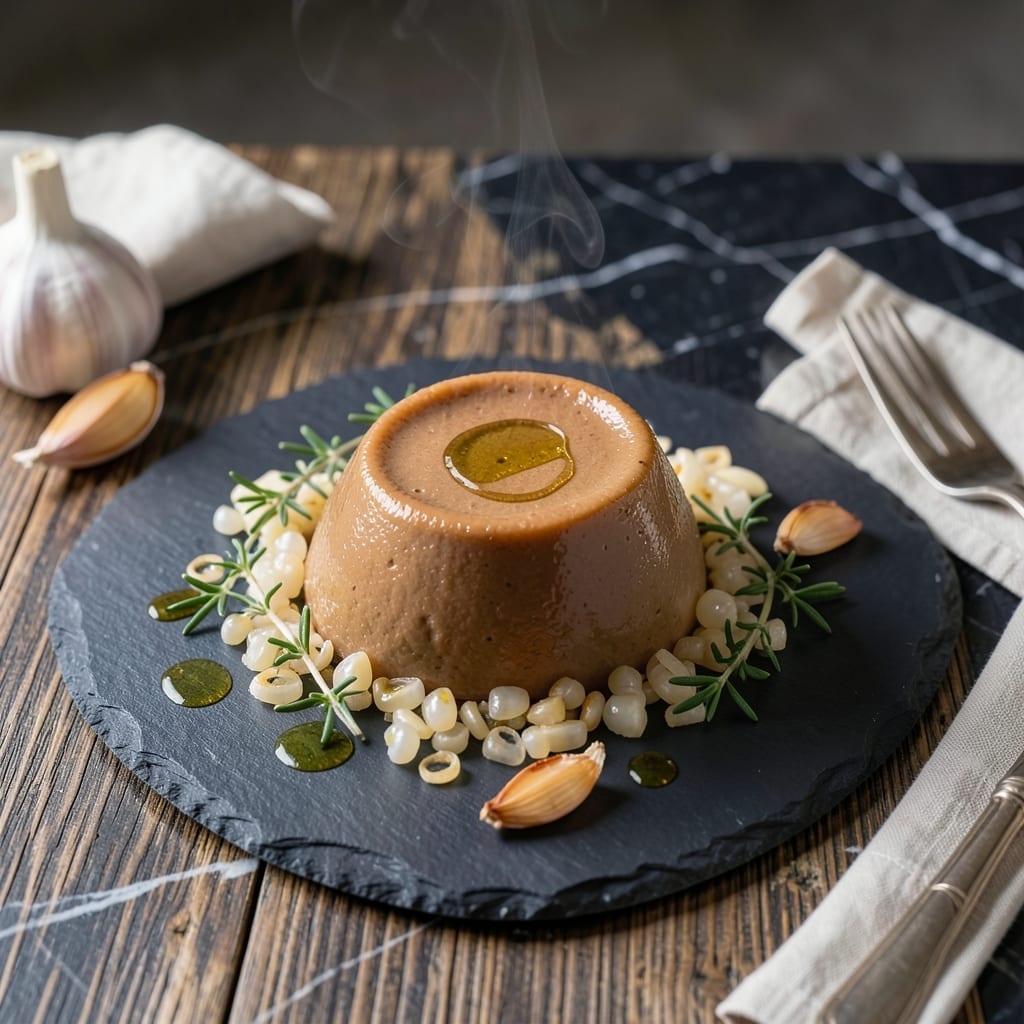
Few dishes capture French culinary tradition like a perfectly prepared liver pâté, offering a luxurious texture and depth of flavor that’s hard to match.
This method focuses on slow cooking to achieve that signature velvety consistency, with simple ingredients that let the rich, earthy goose liver shine.
Traditional techniques ensure every bite delivers that classic smooth mouthfeel and robust taste, making it a standout addition to any charcuterie board.
Serve with crusty bread or crackers for a sophisticated appetizer that impresses every time.
Ingredients for Goose Liver Pate
Luxurious goose liver takes center stage with supporting ingredients for classic French elegance and depth.
| Ingredient | Amount | Notes |
|---|---|---|
| Goose Liver 🍖 | 1 lb | Fresh, high-quality, cleaned and deveined |
| Unsalted Butter 🧈 | ½ cup | European-style preferred for richness |
| Shallots 🧅 | 2 whole | Finely minced for depth |
| Garlic Cloves 🧄 | 3 cloves | Minced to fine paste |
| Fresh Thyme Sprigs 🌿 | 4 pieces | Stems removed, leaves only |
| Bay Leaves 🍃 | 2 pieces | Whole, for infusion |
| Kosher Salt 🧂 | 1 tsp | Diamond Crystal preferred for precision |
| Ground White Pepper 🌶️ | ¼ tsp | Subtle heat without color |
| Cognac 🥃 | ¼ cup | High-quality for depth of flavor |
| Heavy Cream 🥛 | ½ cup | Cold, for finishing texture |
| Dijon Mustard 🟡 | 1 tbsp | Smooth, no seeds |
| Crusty French Bread 🥖 | 1 whole | Sliced, for serving |
| Cornichons 🥒 | ¼ cup | Sliced, for garnish |
[recipe_ingredient_scaler]
For authentic pâté, source goose liver from specialty butchers like D’Artagnan or Hudson Valley Foie Gras. The quality directly impacts texture—look for firm, vibrant lobes without blemishes. European-style butter (higher fat content) is non-negotiable; Plugrá or Kerrygold are excellent choices. Fresh thyme and bay leaves should be organic if possible, as their aromatic oils are essential for the infusion.
No cognac? Brandy or Armagnac work at a 1:1 ratio. Shallots can be replaced with sweet onions at half the quantity, though the flavor profile will shift slightly. If avoiding alcohol, substitute with apple cider reduced by half. For a lighter finish, replace heavy cream with crème fraîche—it adds tang without separating. White pepper is critical; black pepper’s specks disrupt the pâté’s velvety appearance.
Pâté keeps 5-7 days refrigerated in an airtight container, with a thin layer of melted butter on top to prevent oxidation. For longer storage, freeze for up to 3 months—thaw overnight in the fridge. Always bring to room temperature before serving for optimal smooth texture and flavor development.
Why You’ll Love This Recipe
- One Pan Wonder: I just sear the livers, sauté the shallots and garlic, then blend everything with butter and thyme—minimal cleanup, maximum reward.
- Rich and Velvety: The goose liver and butter create a texture so smooth it melts on your tongue, with the thyme adding this earthy depth that’s honestly hard to beat.
- Impresses Every Time: I serve this at dinner parties or spread on crusty bread for a quick appetizer—always gets compliments, and no one guesses how little effort it took.
- Stretches Further: A small batch goes a long way, and leftovers keep beautifully in the fridge for up to a week, so I can enjoy it on toast or crackers whenever the craving hits.
Step-by-Step Instructions for Goose Liver Pate
Master the technique for restaurant-quality results with this classic preparation.
Step 1: Clean and Marinate the Goose Liver
Begin by carefully separating the 1 lb Goose Liver into individual lobes. Trim away any connective tissue or veins using a sharp knife. Rinse the liver briefly under cold water and pat it completely dry with paper towels—this ensures even cooking and prevents steaming.
Place the cleaned liver in a bowl and add the 2 whole Shallots (finely minced), 3 cloves Garlic Cloves (minced to a paste), 4 pieces Fresh Thyme Sprigs (leaves only), 2 pieces Bay Leaves, 1 tsp Kosher Salt, and 0.25 tsp Ground White Pepper. Pour in the 0.25 cup Cognac and stir gently to coat. Cover and refrigerate for 2 hours to allow the flavors to infuse.
Step 2: Cook the Liver to Medium-Rare Perfection
Remove the liver from the marinade and pat it dry again. Reserve the marinade for later use. Heat a large skillet over medium-high heat and add 0.5 cup Unsalted Butter. Once the butter foams and subsides, add the liver in a single layer, ensuring not to overcrowd the pan.
Sear the liver for 2-3 minutes per side until the exterior is golden brown and the interior reaches 130-135°F (medium-rare). This preserves tenderness and rich flavor. Transfer the liver to a plate and let it cool for 10 minutes. Strain the reserved marinade through a fine-mesh sieve into the skillet and simmer for 2 minutes to cook off the alcohol.
Step 3: Blend into a Silky Puree
Transfer the cooled liver to a food processor. Add the strained marinade from the skillet and pulse until the mixture is coarsely chopped. With the processor running, gradually add the 0.5 cup Heavy Cream in a thin stream, processing until the pate is smooth and velvety.
Add the 1 tbsp Dijon Mustard and pulse to combine. Taste and adjust seasoning if needed, though the initial marinade should provide sufficient flavor. The texture should be rich and spreadable, with a glossy finish.
Step 4: Chill and Serve with Traditional Accompaniments
Transfer the pate to a serving dish or ramekins, smoothing the top with the back of a spoon. Cover with plastic wrap, pressing it directly onto the surface to prevent a skin from forming. Refrigerate for at least 4 hours or overnight to allow the flavors to meld and the texture to set.
Serve chilled with sliced 1 whole Crusty French Bread and 0.25 cup Cornichons. The contrast of the creamy pate with the tangy cornichons and crisp bread is the hallmark of this French classic. For best results, bring the pate to room temperature 15 minutes before serving to enhance its velvety texture.
Pro Tips For Making Goose Liver Pate
- Chill the Liver: Soak the goose liver in cold milk for 2-3 hours before cooking to mellow the flavor and remove any bitterness—I learned this the hard way after my first batch tasted too strong.
- Low and Slow: Cook the liver on medium-low heat, no higher, or it’ll turn tough and grainy. I burned two batches before I finally got the hang of patience.
- Strain the Fat: After cooking, strain the rendered fat through a fine-mesh sieve into a bowl—this keeps the pate silky smooth instead of gritty.
- Use Room-Temp Butter: Let the unsalted butter soften at room temperature for 30 minutes before blending, or it’ll seize up and leave lumps in your pate. Sounds fussy, but it works.
Common Mistakes When Making This Recipe
Overcooking the Liver
Goose liver turns tough and grainy if cooked past 135°F. I use an instant-read thermometer to pull it off at 130-132°F for that perfect medium-rare center. Remember, it continues cooking as it rests. 🌡️
Skipping the Marinade
Marinating for 2 hours isn’t optional—it tenderizes the liver and infuses subtle flavors from the cognac and herbs. I once rushed this step and the pâté lacked depth. The alcohol cooks off during searing, leaving only aroma.
Crowding the Pan
Searing in batches is essential. Overcrowding steams the liver instead of browning it, giving you a gray, sad result. I use a 12-inch cast iron skillet and give each lobe 2 inches of space. The butter should foam, not pool.
Under-seasoning
Goose liver needs bold seasoning to stand up to its richness. I measure 1 tsp kosher salt precisely using Diamond Crystal—its coarse grains dissolve evenly. Don’t forget the white pepper; black pepper‘s flecks ruin the smooth appearance.
Rushing the Chill
The 4-hour refrigeration isn’t just for cooling—it lets flavors meld and the texture set. I learned this the hard way when serving it too soon. The pâté was delicious but lacked that signature velvety consistency.
Skipping the Strain
Always strain the marinade before blending. Those thyme stems and bay leaves can leave bitter, fibrous bits in your final product. I press the solids in the sieve to extract every drop of flavor. 💡
Nutrition Facts
Frequently Asked Questions
Can I substitute chicken liver?
Yes, but the flavor and texture will differ. Chicken liver is stronger and less creamy. For best results, soak it in milk for 1 hour before cooking to mellow the taste.
Why does the temperature need to be precise?
Overcooking past 135°F makes the liver tough. The ideal 130-132°F ensures a tender, buttery texture that blends into a smooth pâté.
How long can I store the pâté?
It keeps 5-7 days refrigerated with a butter seal. For longer storage, freeze up to 3 months and thaw overnight in the fridge.
Can I skip the cognac?
Yes, replace with brandy or apple cider reduced by half. The alcohol enhances flavor but isn’t mandatory for a delicious result.

Trained in classic French technique but raised on slow-cooked ribs and spicy rubs, she blends culinary skill with smoke and soul.
- Recipe for Boneless Cross Rib Roast: Slow-Roasted Beef with Herb Crust - October 3, 2026
- Hamburgers in Sauce Recipe Crock Pot: Slow-Cooked Savory Delight - October 3, 2026
- Sanjeev Kapoor Egg Biryani Recipe: Fragrant Spiced Rice With Boiled Eggs - October 3, 2026