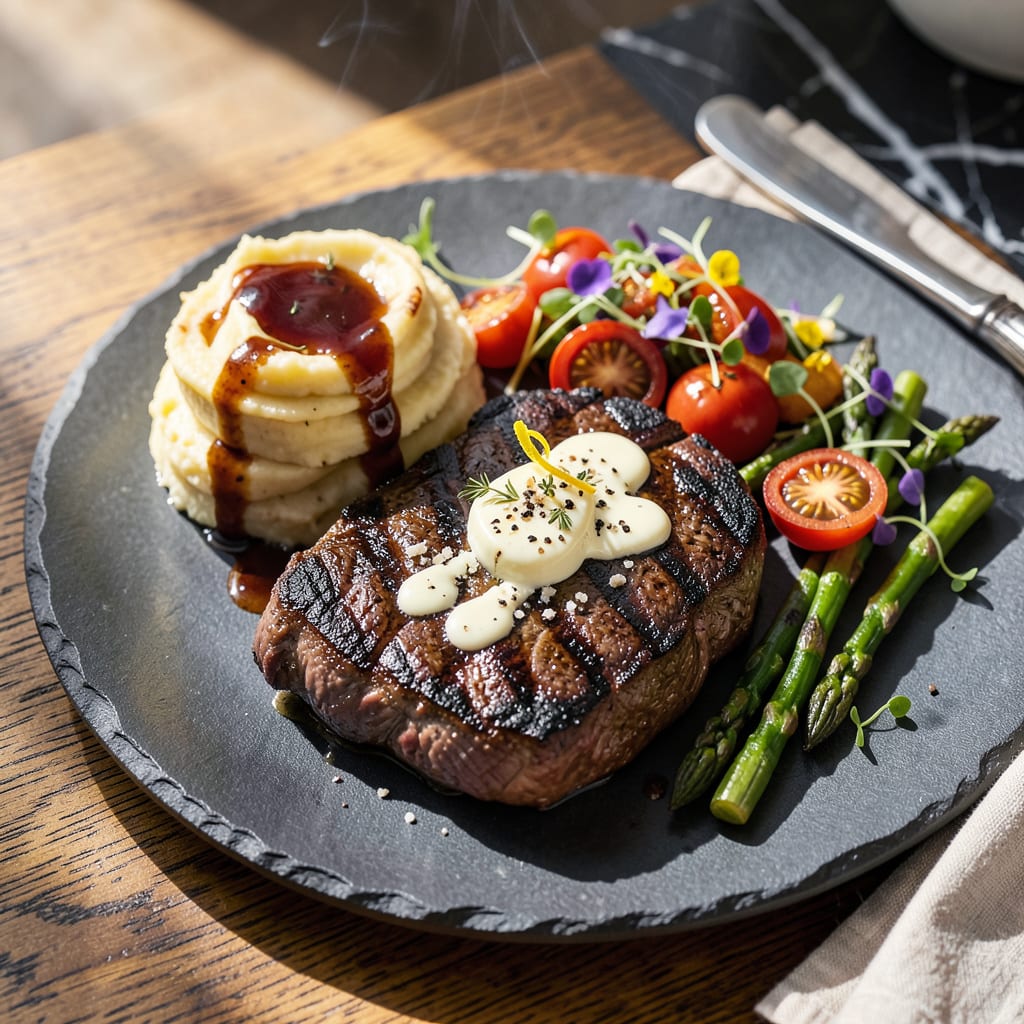
I’ll be real with you: the lid debate is what separates good steak from perfect steak. After years of grilling everything from ribeyes to flank steaks, I’ve learned that when to open or close that lid makes all the difference in texture, doneness, and that coveted crust. This isn’t just preference—it’s science meeting fire.
Here’s the thing—lid closed traps heat, creating an oven-like environment that cooks steak more evenly but can soften your sear. Open lid means direct, intense heat for a killer crust but requires constant attention to avoid overcooking. I’ve ruined more steaks by guessing than I’d like to admit, which is why I developed this foolproof method that combines both approaches.
What you’ll get is steakhouse-quality results every time: a deeply caramelized exterior, precise doneness from edge to edge, and juices that stay locked inside where they belong. No more gray bands or dry centers—just perfectly cooked meat with that smoky char only live fire can deliver.
We’ll cover everything from choosing the right cut to resting like a pro, plus exactly when to lift that lid and when to keep it shut. Your best steak is about to happen—let’s get that grill fired up.
Grilling with the lid open is all about embracing that classic, smoky char and keeping a close eye on your steak—like a hawk watching its prey! 🔥😋 This method is perfect for those who love a good sear, a slightly crispier crust, and the flexibility to flip, baste, or adjust their steak on the fly. When you leave the lid open, you’re relying on direct heat from the flames or coals, which means faster cooking times and that irresistible, caramelized exterior steak lovers crave.
Key Characteristics:
- Higher heat exposure: The steak cooks primarily from the heat below, giving you more control over doneness.
- Faster searing: Ideal for thin cuts (like flank or skirt steak) that need a quick, high-heat cook.
- Less smoke buildup: Open airflow reduces smoke intensity, which can be great for avoiding an overly smoky flavor.
- Visual monitoring: Easier to check for flare-ups or adjust positioning without lifting the lid.
Best For:
This technique shines when you’re grilling:
- Thin cuts (under 1 inch): Think strip steaks, flat irons, or even burgers—they cook through quickly without drying out.
- High-heat searing: If you’re chasing that restaurant-quality crust, open-lid grilling helps lock in juices while creating a flavorful bark.
- Quick-cooking meals: Perfect for weeknight dinners when you want to get food on the table fast.
- Charcoal grills: Lets you manage heat zones more dynamically by moving the steak around the grill.
Pro tip: 💡 Keep a spray bottle handy to tame flare-ups, and consider using a meat thermometer—since the lid’s open, heat can escape, making timing a bit trickier!
If you’re after that bold, smoky crust and a juicy interior, grilling with the lid open might be your best bet! 🔥🍖 This method is all about direct heat control, giving you the power to sear your steak like a pro while keeping a close eye on the action. Here’s why this approach shines:
Key Characteristics
- High-heat searing: The open lid lets heat escape, preventing the grill from turning into an oven. This means your steak gets that perfect caramelized crust without overcooking the inside.
- Visual control: No more guessing! You can watch the steak’s color change, monitor flare-ups, and flip at just the right moment.
- Faster cooking: Ideal for thinner cuts (like skirt or flank steak) that need a quick, hot sear—usually 2-4 minutes per side—to avoid drying out.
Benefits
- Crust perfection: Achieve that restaurant-quality char that locks in juices and flavor.
- Flexibility: Easily adjust heat zones by moving the steak around or controlling flames.
- Less steam: No lid means no trapped moisture, so your steak stays crispy, not soggy.
Best Use Cases
This method is a game-changer for:
- Thin cuts (< 1 inch thick) like flank, skirt, or hanger steak.
- Quick-cooking steaks (e.g., ribeye or strip) when you want a deep sear.
- Charcoal grills, where you can easily manage heat by spreading coals or adjusting vents.
- When you’re grilling multiple steaks and need to monitor each one individually.
Pro tip: 💡 Keep a spray bottle handy to tame flare-ups—open-lid grilling means you’re in the driver’s seat!
Key Differences
🔥 Heat Distribution & Cooking Speed
One of the biggest differences between grilling with the lid open or closed comes down to how heat behaves.
- Lid Open: Heat escapes directly upward, creating a hotter surface temperature but cooler ambient air. This is great for quick searing (think crusty char marks!), but the steak cooks unevenly—fast on the outside, slower inside. Expect longer total cook times for thicker cuts.
- Lid Closed: Traps heat, turning your grill into a convection oven. The circulating hot air cooks the steak more evenly from all sides, speeding up the process by 20–30%. Ideal for thicker steaks (1.5″+) but may soften the sear if overused.
⏰ Flare-Up Control & Safety
Grease drippings = flavor and fire hazards. Here’s how the lid affects flare-ups:
- Lid Open: Oxygen feeds flames, so flare-ups are more intense but easier to spot. You’ll need to hover with a spray bottle or move the steak fast. Best for lean cuts with less fat render.
- Lid Closed: Reduces oxygen flow, smothering flare-ups but trapping smoke. While safer, it can lead to bitter, sooty flavors if fat burns excessively. Trim excess fat or use a drip pan!
🥘 Flavor & Texture Outcomes
The lid isn’t just about heat—it shapes your steak’s taste and mouthfeel:
- Lid Open: Maximizes Maillard reaction (that delicious brown crust) and smoky char. Texture leans firmer and chewier on the edges, with a gradient of doneness.
- Lid Closed: Enhances juiciness and tenderness by retaining moisture, but the crust may be less pronounced. Smoke flavor penetrates deeper, but overcooking risks dryness if not monitored.
🎯 Best Use Cases by Cut
Not all steaks are created equal—match the method to the meat!
| Lid Open | Lid Closed |
|---|---|
|
|
When to Choose Which
Now that you know the pros of each method, let’s break down when to use lid-open vs. lid-closed grilling for the best results. 🥩🔥
🔥 Use the Lid Open When:
- Searing thin cuts (like flank or skirt steak)—prevents overcooking while getting that crispy crust.
- Grilling over direct high heat (charcoal or gas on max) to avoid flare-ups from trapped grease.
- Monitoring closely—perfect for beginners who want to keep an eye on doneness (or basting with butter!).
- Cooking fast (under 10 minutes)—like a rare/medium-rare ribeye that needs a quick sear.
🍳 Use the Lid Closed When:
- Grilling thick cuts (1.5+ inches, like tomahawk or filet mignon)—ensures even cooking inside.
- Using indirect heat (two-zone grilling) to slow-cook or smoke-infuse your steak.
- Cooking to medium-well or well-done—traps heat to gently finish without drying out.
- Bad weather strikes—wind or cold temps? The lid keeps heat steady.
Pro tip: 💡 For perfect steak, start with the lid open to sear, then close to finish thick cuts—best of both worlds!
So, should you grill steak with the lid open or closed? 🤔 The answer depends on your goals! For a juicy, evenly cooked steak with a perfect sear, start with the lid open to lock in flavor, then finish closed for tender doneness. Thick cuts (1.5″+) love the lid-down heat, while thinner steaks shine with it open.
Pro tip: Experiment! Try both methods with the same cut to see what you prefer. Either way, you’re just minutes away from steakhouse-quality results at home. 🥩🔥 Happy grilling!

Trained in classic French technique but raised on slow-cooked ribs and spicy rubs, she blends culinary skill with smoke and soul.
- Recipe for Boneless Pork Chops in Cast Iron Skillet: Sear and Baste to Juicy Perfection - October 3, 2026
- Recipe for Boneless Cross Rib Roast: Slow-Roasted Beef with Herb Crust - October 3, 2026
- Hamburgers in Sauce Recipe Crock Pot: Slow-Cooked Savory Delight - October 3, 2026