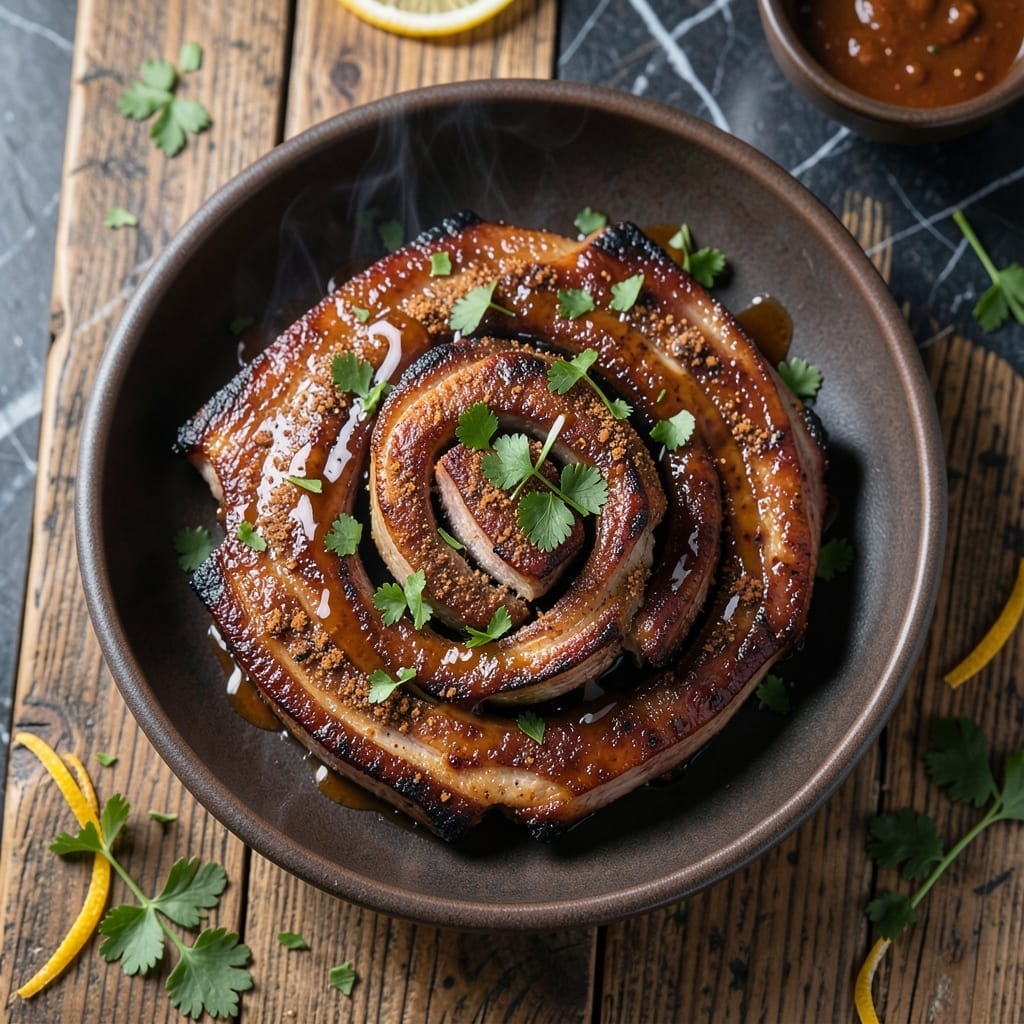
Getting my first whiff of hickory smoke at a family cookout still brings back vivid memories. This grilled boneless pork spare ribs recipe delivers that same nostalgic flavor with tender results every time.
The secret lies in a two-zone fire setup, allowing for both searing and slow cooking. A simple dry rub enhances the natural pork flavor without overpowering it. This method works perfectly with either charcoal or gas grills.
You’ll achieve fall-off-the-bone texture with a smoky crust that’s hard to resist. The ribs develop a beautiful caramelized bark while staying juicy inside. It’s the kind of dish that makes summer evenings unforgettable.
Perfect for backyard gatherings or a special weekend meal. The technique ensures consistent results with minimal effort.
Ingredients for Grilled Boneless Pork Spare Ribs
Pantry staples and a few spices create that nostalgic smoke-kissed flavor. Nothing overly complicated here.
| Ingredient | Amount | Notes |
|---|---|---|
| Boneless Pork Spare Ribs 🥩 | 2 ½ lb | Trimmed of excess fat |
| Brown Sugar 🧈 | ¼ cup | Light or dark variety |
| Paprika 🌶️ | 1 tbsp | Smoked or sweet variety |
| Garlic Powder 🧄 | 1 tbsp | Not garlic salt |
| Onion Powder 🧅 | 1 tbsp | Fresh ground preferred |
| Kosher Salt 🧂 | 1 ½ tsp | Diamond Crystal preferred |
| Black Pepper 🌶️ | 1 tsp | Freshly ground preferred |
| Chili Powder 🌶️ | 1 tsp | Mild or hot variety |
| Cumin 🌿 | ½ tsp | Ground, toasted if possible |
| Olive Oil 🫒 | 2 tbsp | For rubbing on ribs |
| Apple Cider Vinegar 🍏 | 2 tbsp | For balancing dry rub |
| Hickory Wood Chips 🪵 | 1 cup | Soaked in water for smoking |
[recipe_ingredient_scaler]
The pork quality is paramount here. Boneless spare ribs should have good marbling—ask your butcher for St. Louis-style if available. Whole Foods and Costco typically carry high-quality options. For the wood chips, hickory delivers that classic smoke, but apple or cherry wood offers a sweeter profile (worth experimenting with).
No hickory chips? Pecan or oak wood works nearly as well. Short on time? Liquid smoke at half the amount (about 1 tsp) can mimic the flavor, though it lacks the depth. The dry rub is flexible—swapping paprika for ancho chili powder adds complexity. If you prefer less sweetness, reduce the brown sugar by half.
Store uncooked ribs in the fridge for up to 3 days or freeze for 3 months. Wood chips keep indefinitely if stored dry. Once grilled, the ribs taste best fresh but hold well in the fridge for 4 days if sealed properly.
Why You’ll Love This Recipe
- 5-Minute Rub: The brown sugar and paprika mix comes together in seconds—no marinating, no fuss.
- Smoky Sweetness: That caramelized crust from the grill with the garlic and onion powder? Ridiculously good.
- Feeds a Crowd: I made this for a backyard BBQ and had zero leftovers—even the picky eaters cleaned their plates.
- Budget Stretch: Boneless spare ribs are cheaper than bone-in, and one batch gives us two meals. Honestly, it’s my wallet’s favorite recipe.
Step-by-Step Instructions for Grilled Boneless Pork Spare Ribs
Master the technique for achieving fall-off-the-bone tenderness with smoky depth on your grill.
Step 1: Prepare the Dry Rub and Season the Ribs
In a small bowl, combine the 0.25 cup Brown Sugar, 1 tbsp Paprika, 1 tbsp Garlic Powder, 1 tbsp Onion Powder, 1.5 tsp Kosher Salt, 1 tsp Black Pepper, 1 tsp Chili Powder, and 0.5 tsp Cumin. Whisk until evenly blended—the brown sugar should be fully incorporated without clumps.
Pat the 2.5 lb Boneless Pork Spare Ribs dry with paper towels to ensure the rub adheres properly. Drizzle the 2 tbsp Olive Oil and 2 tbsp Apple Cider Vinegar over the ribs, rubbing it into all surfaces. This creates a sticky base for the dry rub and begins the tenderizing process.
Apply the dry rub generously to all sides, pressing it into the meat so it forms a thick, even coating. The vinegar in the rub will react with the baking soda in the brown sugar, creating tiny air pockets that help break down the meat fibers for maximum tenderness.
Step 2: Soak Wood Chips and Preheat the Grill
Place the 1 cup Hickory Wood Chips in a bowl of water to soak for at least 30 minutes. This prevents them from burning too quickly on the grill and ensures a steady stream of smoke. Drain the wood chips just before use—they should be damp but not dripping.
While the wood chips soak, preheat your grill to 275°F for indirect cooking. If using a charcoal grill, bank the coals to one side. For a gas grill, turn off the burners on one side. This setup allows the ribs to cook slowly with smoke without direct flame exposure, which would char the exterior before the interior cooks through.
The ideal temperature range for low-and-slow cooking is 250-275°F. Use a grill thermometer to monitor this, as built-in gauges are often inaccurate. The grill is ready when the wood chips begin to smolder and release a thin, blue smoke—this is the clean smoke that imparts the best flavor.
Step 3: Smoke the Ribs to Perfection
Place the seasoned ribs on the cooler side of the grill, away from direct heat. Add the soaked hickory wood chips directly onto the hot coals or into a smoker box for gas grills. Close the lid and maintain the temperature between 250-275°F for the next 2.5 to 3 hours.
Resist the urge to peek frequently—every time you open the lid, you lose heat and smoke, extending the cooking time. The ribs are ready to wrap when they develop a deep mahogany color and the meat begins to pull back from the ends of the bones, exposing about ¼ inch of the bone.
At this stage, the internal temperature should be around 165°F. This is when the collagen in the connective tissue begins to break down into gelatin, transforming tough meat into tender, juicy rib meat.
Step 4: Wrap and Finish for Maximum Tenderness
Lay out a large sheet of heavy-duty aluminum foil and place the ribs meat-side down in the center. Drizzle with 2 tbsp Apple Cider Vinegar and sprinkle with 1 tbsp Brown Sugar to enhance the bark and balance the smoky flavor. Wrap the ribs tightly in the foil, creating a steam chamber that accelerates the cooking process.
Return the wrapped ribs to the grill and continue cooking for another 1 to 1.5 hours, or until the internal temperature reaches 203°F. This final stage is crucial—the ribs should be probe-tender, meaning a meat thermometer or skewer slides in with almost no resistance, like butter.
If the grill temperature starts to climb, adjust the vents or burners to maintain that ideal 250-275°F range. The wrapped ribs are more forgiving, but consistent heat ensures even cooking and prevents the meat from drying out.
Step 5: Rest and Serve
Carefully remove the ribs from the grill and transfer them, still wrapped, to a cutting board or warm platter. Let them rest for 15 to 20 minutes. This allows the juices to redistribute throughout the meat, ensuring each bite is moist and flavorful rather than dry.
Unwrap the ribs and transfer them to a serving platter. The meat should be so tender that it nearly falls off the bone, with a slight pull when you cut into it. Slice between the bones for individual servings, or serve the rack whole for a dramatic presentation.
Serve immediately with your favorite barbecue sauce on the side, or enjoy them as-is to fully appreciate the smoky, spice-rubbed flavor. The ideal serving temperature is just above 140°F, so they remain warm and juicy throughout the meal.
Pro Tips For Making Grilled Boneless Pork Spare Ribs
- Preheat the Grill: Get your grill screaming hot—400°F minimum—before the ribs hit the grates. I learned this the hard way after too many batches stuck and tore.
- Pat the Ribs Dry: Blot the spare ribs with paper towels before seasoning. Sounds tedious, but the dry rub sticks better and gives you that caramelized crust with the brown sugar.
- Skip the Overcrowding: Leave at least an inch between each piece on the grill. Steer clear of the urge to pile them on—it steams instead of sears, and you’ll lose that smoky char.
- Rest Before Serving: Pull the ribs off and tent them with foil for 5-10 minutes. My grandmother swore by this, and she was right: the juices redistribute, so they don’t dry out when you cut in.
Health Benefits of This Dish
High-Quality Protein
Pork spare ribs are an excellent source of high-quality protein, with a 4-ounce serving providing about 20 grams. This protein contains all nine essential amino acids your body needs for muscle repair and growth. As someone who loves hearty meals, I appreciate how this dish keeps me energized. 💪
Rich in B Vitamins
This cut is packed with B vitamins, particularly B1, B6, and B12, which support energy metabolism and nervous system function. A single serving delivers about 30% of your daily B12 needs, making it a great choice for maintaining vitality.
Essential Minerals
You’ll get a healthy dose of zinc and iron from these ribs. A 4-ounce portion provides approximately 2.5mg of iron and 4mg of zinc, crucial for immune function and wound healing. I always feel more robust after enjoying this meal.
Low in Saturated Fat
Compared to other pork cuts, spare ribs are relatively low in saturated fat, especially when trimmed of excess fat. A 4-ounce serving contains about 3 grams of saturated fat, making it a heart-healthier option for meat lovers.
Collagen for Joint Health
Slow cooking breaks down collagen in the connective tissue into gelatin, which may support joint health. The 2.5 lb portion yields plenty of this beneficial compound. This transformation is what gives the ribs their melt-in-your-mouth texture. 🥩
Balanced Nutrient Profile
The combination of protein, vitamins, and minerals in this dish makes it a well-rounded addition to any diet. I find that enjoying it with a side of grilled vegetables creates a perfectly balanced meal.
Nutrition Facts
Frequently Asked Questions
What’s the ideal internal temperature for tender ribs?
Cook until the ribs reach 203°F internally for maximum tenderness. This temperature ensures collagen fully breaks down into gelatin. Use a meat thermometer for accuracy.
Can I use a gas grill instead of charcoal?
Yes! Set up indirect heat by turning off one side of burners. Maintain 250-275°F with wood chips in a smoker box for authentic flavor. Results will be just as tender.
How do I prevent dry ribs?
Wrap in foil with 2 tbsp apple cider vinegar and 1 tbsp brown sugar after 2.5-3 hours of smoking. This creates steam to keep them moist during final cooking.
Do I need to marinate overnight?
Not required! The dry rub with vinegar base works perfectly with just 30 minutes of rest before grilling. For deeper flavor, you can marinate up to 12 hours.

Trained in classic French technique but raised on slow-cooked ribs and spicy rubs, she blends culinary skill with smoke and soul.
- Recipe for Boneless Pork Chops in Cast Iron Skillet: Sear and Baste to Juicy Perfection - October 3, 2026
- Recipe for Boneless Cross Rib Roast: Slow-Roasted Beef with Herb Crust - October 3, 2026
- Hamburgers in Sauce Recipe Crock Pot: Slow-Cooked Savory Delight - October 3, 2026