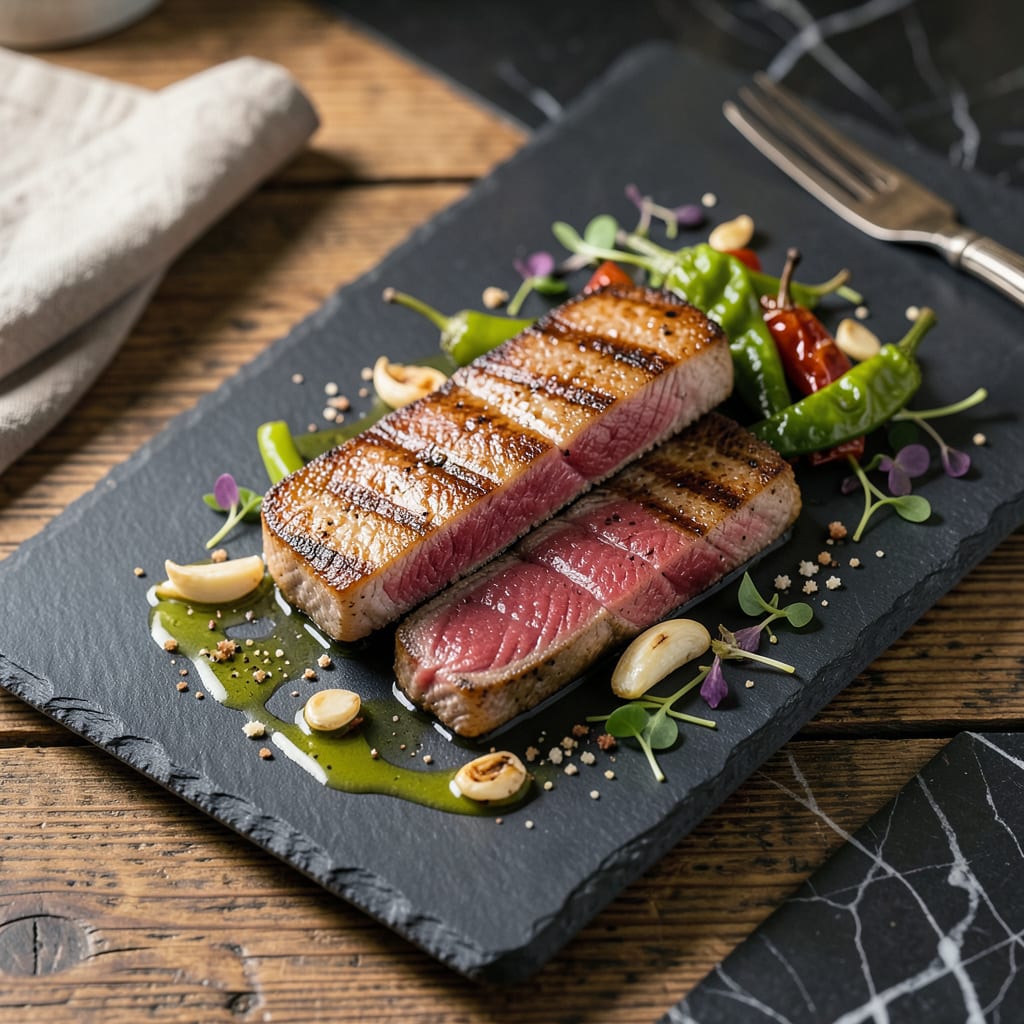
Perfectly seared tuna steak is one of those dishes that separates home cooks from true grill masters. After years of experimenting with heat levels and timing, I’ve developed a method that delivers juicy, restaurant-quality results every time—no fancy equipment required. The key lies in understanding how to balance a blazing-hot grill with the delicate nature of fresh tuna.
This technique transforms thick-cut tuna steaks into tender, medium-rare perfection with a caramelized crust. You’ll need just 5 minutes of active cooking time, but the preparation—selecting the right cut, proper seasoning, and precise grill temperature—makes all the difference. When done correctly, the exterior develops a flavorful sear while the center remains velvety and pink, exactly as it should be.
Ingredients for Grilled Tuna Steak
Restaurant-quality seared tuna begins with sushi-grade fish and precise seasoning—no shortcuts, just professional technique.
| Ingredient | Amount | Notes |
|---|---|---|
| Sushi-Grade Tuna Steaks 🐟 | 4 whole | 1.5-inch thick, center-cut preferred |
| Kosher Salt 🧂 | 1 ½ tbsp | Diamond Crystal brand recommended |
| Freshly Ground Black Pepper 🌶️ | 1 tsp | Coarse grind for optimal crust |
| Garlic Powder 🧄 | ½ tsp | Freshly toasted for depth |
| Smoked Paprika 🌶️ | ½ tsp | Spanish variety preferred |
| Extra-Virgin Olive Oil 🫒 | 3 tbsp | High smoke point variety |
| Sesame Oil 🫒 | 1 tsp | Toasted variety for finishing |
| Fresh Ginger 🌿 | 1 tsp | Microplaned for even distribution |
| Soy Sauce 💧 | 1 ½ tbsp | Low-sodium preferred |
| Rice Vinegar 💧 | 1 tbsp | Unseasoned variety |
| Lemon Zest 🍋 | 1 tsp | Finely grated, organic preferred |
| Fresh Cilantro 🌿 | ¼ cup | Stems removed, roughly chopped |
| Scallions 🧅 | 3 whole | Thinly sliced on bias |
| Sesame Seeds 🌾 | 1 tbsp | Toasted for garnish |
[recipe_ingredient_scaler]
The tuna quality is non-negotiable. Sushi-grade ahi tuna from reputable suppliers like Sizzlefish or Catalina Offshore Products ensures both safety and optimal texture. Look for vibrant red color with no brown discoloration and minimal odor. Thickness matters—1.5-inch steaks provide the ideal sear-to-center ratio. For the salt, Diamond Crystal kosher salt offers superior adhesion and flavor penetration due to its flake structure. Professional kitchens standardize on this brand for consistency.
Substitutions require careful consideration. Hawaiian salt or Maldon flakes can replace kosher salt at a 1:1 ratio, though texture will vary. Freshly cracked black peppercorns are preferable to pre-ground, but tellicherry pepper provides superior aroma. The sesame oil must be toasted variety—Kadoya brand is optimal. For those avoiding soy, coconut aminos substitute effectively at equal volume. Rice vinegar alternatives include champagne vinegar, though acidity levels may require adjustment.
Optimal storage preserves freshness and safety. Keep tuna steaks refrigerated at 32°F on ice until ready to cook—use within 24 hours of purchase. Prepared seasoning blends maintain potency for 1 week in airtight containers. The finished dish is best served immediately but can be held at room temperature for up to 30 minutes without compromising texture. Never refrigerate cooked tuna steaks, as this accelerates moisture loss.
Why You’ll Love This Recipe
- Five-Minute Seasoning: I love that this only needs five ingredients—salt, pepper, garlic powder, smoked paprika, and the tuna. No marinating, no fancy prep. Just rub, grill, and you’re basically done.
- That Smoky Crust: Here’s what sold me—the smoked paprika and garlic powder form this insane crust on the outside while the inside stays buttery and tender. It’s the kind of flavor that makes you pause mid-bite.
- Date Night or Tuesday: Honestly, I’ve served this for both. It feels fancy enough for guests (hello, sushi-grade tuna) but is unfussy enough that I’ll make it on a random weeknight when I’m craving something solid.
- Leftovers? Reinvent Them: Between us, cold tuna steak slices over greens with a drizzle of lemon the next day might be my favorite part. Or flake it into pasta. Zero waste, all flavor.
Step-by-Step Instructions for Grilled Tuna Steaks
Mastering the perfect sear while maintaining juicy interiors requires precise technique and timing.
Step 1: Prepare and Season the Tuna Steaks
Pat the sushi-grade tuna steaks completely dry with paper towels. This critical step ensures proper searing—any surface moisture will create steam instead of the desired crust. Season all sides evenly with the 1.5 tbsp kosher salt, 1 tsp freshly ground black pepper, 0.5 tsp garlic powder, and 0.5 tsp smoked paprika.
The coarse grind of black pepper creates a textured crust, while the smoked paprika adds subtle depth. Use your fingers to gently press the seasoning into the flesh, ensuring it adheres well. Let the seasoned steaks rest at room temperature for 10 minutes—this allows the salt to penetrate slightly and the meat to cook more evenly.
Step 2: Create the Marinade and Sear the Steaks
In a small bowl, whisk together the 3 tbsp extra-virgin olive oil, 1 tsp sesame oil, 1 tsp fresh ginger, 1.5 tbsp soy sauce, 1 tbsp rice vinegar, and 1 tsp lemon zest. This aromatic blend will enhance the tuna’s natural flavor without overpowering it. Brush the mixture lightly over both sides of each steak just before grilling.
Heat a grill or grill pan to high heat until smoking hot. Place the tuna steaks on the grill and sear undisturbed for 2-3 minutes per side for medium-rare. The steaks should release easily when ready to flip—don’t force them. Look for a deep golden crust and slightly firm texture when pressed with your finger.
Step 3: Rest and Garnish for Service
Transfer the grilled tuna steaks to a cutting board and let rest for 5 minutes. This brief resting period allows the muscle fibers to relax and the juices to redistribute throughout the meat. Meanwhile, combine the 0.25 cup fresh cilantro, 3 whole scallions, and 1 tbsp sesame seeds in a small bowl for garnishing.
Slice each steak against the grain into ½-inch thick pieces. The interior should be pink and translucent in the center, indicating perfect medium-rare doneness. Arrange on a platter, drizzle with any remaining marinade, and sprinkle generously with the cilantro-scallion-sesame seed mixture. Serve immediately while the exterior crust is still crisp.
Health Benefits of This Recipe
Omega-3 Powerhouse
Tuna is one of the richest natural sources of omega-3 fatty acids, with a 6-ounce serving providing about 1,500mg of EPA and DHA combined. These essential fats support heart health by reducing triglycerides and inflammation—something I’ve noticed makes a real difference in my energy levels after meals. The American Heart Association recommends eating fish like tuna twice weekly for optimal benefits. 💪
Lean Protein Boost
Each serving packs about 40 grams of high-quality protein with minimal saturated fat, making it ideal for muscle maintenance and weight management. Unlike red meat, tuna provides complete protein without the heaviness. I love how it keeps me full for hours without that sluggish after-meal feeling.
Vitamin D Source
You’ll get about 50% of your daily vitamin D from one serving, which is crucial for bone health and immune function. This is especially valuable during winter months when sunlight exposure drops. I’ve found that regularly eating tuna helps me maintain steady energy levels year-round.
Selenium Superfood
Tuna contains 80-100mcg of selenium per serving—a powerful antioxidant that protects cells from damage. This mineral also supports thyroid function and metabolism. The selenium in tuna works synergistically with the omega-3s for enhanced protective benefits.
B Vitamin Complex
This fish delivers a complete spectrum of B vitamins, particularly B12, B6, and niacin, which are essential for energy metabolism and nervous system health. A single serving provides over 100% of your daily B12 needs. I notice better focus on days I include tuna in my meals. ✨
Low-Calorie Nutrition
With only about 180 calories per 6-ounce serving, tuna offers exceptional nutritional density. The high protein-to-calorie ratio makes it perfect for active lifestyles. I often recommend it to friends looking to maintain muscle while managing weight—it’s one of nature’s most efficient protein sources.
Nutrition Facts

Trained in classic French technique but raised on slow-cooked ribs and spicy rubs, she blends culinary skill with smoke and soul.
- Recipe for Boneless Pork Chops in Cast Iron Skillet: Sear and Baste to Juicy Perfection - October 3, 2026
- Recipe for Boneless Cross Rib Roast: Slow-Roasted Beef with Herb Crust - October 3, 2026
- Hamburgers in Sauce Recipe Crock Pot: Slow-Cooked Savory Delight - October 3, 2026