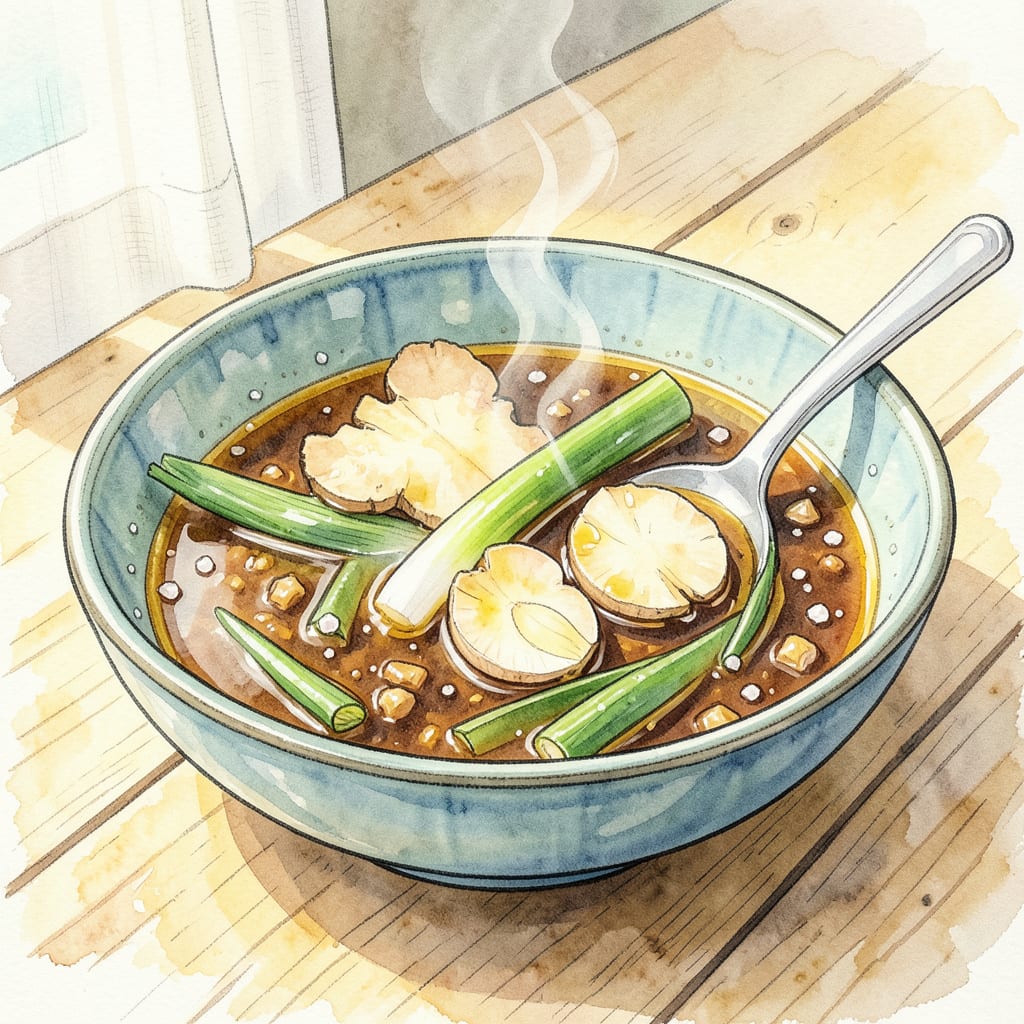
This ginger-garlic dipping sauce transforms simple poached chicken into an aromatic masterpiece. The balance of fresh ginger, pungent garlic, and fragrant scallions creates a complex flavor profile that defines authentic Hainanese cuisine. I’ve perfected this recipe through countless tastings, adjusting the oil-to-aromatic ratio for maximum flavor extraction.
The preparation method is precise yet simple: gently heating oil to bloom the aromatics without burning them. This technique preserves their delicate flavors while creating a fragrant base. Store in an airtight container for up to 5 days—though it rarely lasts that long. Serve with Hainanese chicken rice or any poached poultry for an instant flavor upgrade.
Ingredients for Hainanese Chicken Sauce
Eight precise ingredients create this aromatic Hainanese masterpiece—where oil quality and fresh aromatics determine authenticity.
| Ingredient | Amount | Notes |
|---|---|---|
| Neutral-Flavored Oil 🫒 | ¾ cup | Peanut or avocado oil preferred |
| Fresh Ginger 🌿 | ½ cup | Peeled, thinly julienned (2-inch pieces) |
| Garlic Cloves 🧄 | 8 cloves | Thinly sliced, not minced |
| Scallions 🧅 | 4 whole | White and light green parts only, cut 2-inch |
| Kosher Salt 🧂 | 1 ½ tsp | Diamond Crystal preferred for precision |
| Granulated Sugar 🍚 | 1 tsp | Balances aromatic intensity |
| Light Soy Sauce 🫙 | 3 tbsp | Low-sodium preferred (Pearl River Bridge) |
| Sesame Oil 🫒 | 1 tsp | Toasted variety for depth |
| White Pepper Powder 🌶️ | ½ tsp | Freshly ground for optimal aroma |
[recipe_ingredient_scaler]
The oil selection is critical for proper aromatic extraction. Peanut oil offers the highest smoke point (450°F) and neutral profile, though avocado oil serves as an excellent alternative. Source fresh ginger with taut, unwrinkled skin—Asian markets typically stock younger, more potent rhizomes. For garlic, select heads with firm, unbroken cloves; organic varieties often yield superior flavor. The scallions must be crisp with vibrant green tops—avoid any with slimy bases or yellowing leaves.
Substitutions require careful balance to maintain authenticity. Shallots at half the quantity may replace scallions in emergencies, though flavor complexity diminishes. Dark soy sauce at 2:1 ratio with light soy creates color depth but alters sweetness—adjust sugar accordingly. For gluten-free adaptation, tamari replaces soy sauce 1:1, though sodium levels vary. The sesame oil is non-negotiable for finishing; toasted sesame seeds (1 tsp) offer textural contrast if oil is unavailable.
Optimal storage maintains flavor integrity for 5 days refrigerated in glass containers. The oil will solidify when chilled—allow 30 minutes at room temperature before serving. For extended preservation, freeze in ice cube trays (3 months) and thaw individual portions as needed. Always use a clean, dry utensil to prevent bacterial contamination. Discard immediately if oil develops rancid aroma or cloudiness.
Why You’ll Love This Recipe
- One-Pot Magic: I love that this sauce comes together in a single small pot—just bloom the ginger and garlic in oil, toss in scallions, and let it steep. No fancy techniques, no blender, no mess.
- Umami Bomb: That first whiff of sizzling garlic and ginger in hot oil? It’s intoxicating. The scallions add a fresh bite, and the salt ties it all together—simple ingredients, but the depth of flavor fools people into thinking it’s complicated.
- Meal Prep MVP: This sauce keeps for a week in the fridge, and I drizzle it on everything: rice bowls, roasted veggies, even scrambled eggs. Honestly, it’s the reason my lunches never get boring.
- 5-Ingredient Win: Between us, I’ve made this with grocery-store staples on a Sunday night when I was too tired to think. Neutral oil, a knob of ginger, and a few garlic cloves—no specialty items, no last-minute store runs.
Step-by-Step Instructions for Hainanese Chicken Sauce
This method transforms simple ingredients into a complex, aromatic sauce with perfect balance.
Step 1: Infuse the Neutral-Flavored Oil
Heat the 0.75 cup neutral-flavored oil in a small saucepan over medium-low heat until it reaches 250°F (use a thermometer for precision). This lower temperature prevents burning while allowing the aromatics to infuse gradually.
Add the 0.5 cup fresh ginger and 8 cloves garlic cloves, stirring immediately to prevent sticking. Cook for 8-10 minutes, maintaining the temperature between 225-250°F, until the garlic turns light golden and the ginger becomes translucent at the edges. The oil should gently bubble around the aromatics.
Step 2: Develop the Aromatic Base
Introduce the 4 whole scallions to the oil and continue cooking for an additional 3-4 minutes. The scallions should soften but retain some texture. You’ll notice the oil taking on a pale golden hue as the flavors meld.
Remove the saucepan from heat and let the mixture steep for 5 minutes. This resting period allows the residual heat to continue extracting flavors without risk of overcooking. The oil will develop a pronounced aromatic quality during this time.
Step 3: Create the Sauce Foundation
Strain the infused oil through a fine-mesh sieve into a heatproof bowl, pressing gently on the solids to extract maximum flavor. Return the strained oil to the saucepan and place over low heat.
Whisk in the 1.5 tsp kosher salt, 1 tsp granulated sugar, and 0.5 tsp white pepper powder until fully dissolved. The mixture should appear slightly cloudy as the sugar incorporates. Cook for 1-2 minutes until the raw edge of the pepper mellows.
Step 4: Balance and Finish the Sauce
Remove the saucepan from heat and let cool for 2 minutes before adding the 3 tbsp light soy sauce and 1 tsp sesame oil. The residual warmth will blend the ingredients without cooking off the volatile aromatic compounds in the sesame oil.
Stir vigorously for 30 seconds until the sauce emulsifies slightly. The final product should have a glossy sheen and a consistency that coats the back of a spoon lightly. Taste and adjust seasoning if needed, though the balance should be perfect as written.
Dietary Considerations for These Flavors
Gluten-Free Adaptation
For a gluten-free version, simply swap the light soy sauce with tamari in a 1:1 ratio. I recommend San-J Tamari for its rich umami flavor that closely mimics traditional soy sauce. The sauce maintains its aromatic complexity while becoming completely gluten-free. Always verify your tamari label, as some brands process in facilities with wheat. 🌱
If you’re sensitive to gluten but still want that classic flavor, consider adding ½ tsp coconut aminos alongside the tamari. This blend creates a more balanced sweetness profile similar to regular soy sauce. The coconut aminos won’t overpower the ginger and garlic notes we’ve worked so hard to develop.
Low-Sodium Option
To reduce sodium content, cut the kosher salt to ½ tsp and use low-sodium soy sauce. I prefer Kikkoman Less Sodium as it maintains good flavor while reducing sodium by about 40%. The sauce will still taste vibrant because the ginger and garlic provide so much natural flavor.
For those watching their sodium intake closely, you can omit the added salt entirely and rely on the soy sauce for seasoning. The sauce will taste slightly milder, but the aromatic oil base still delivers that signature Hainanese character. Consider adding ¼ tsp MSG if you want to boost umami without increasing sodium significantly.
Vegan Variation
This sauce is already vegan-friendly in its base form, but we can enhance it for plant-based diets. Add 1 tbsp nutritional yeast when whisking in the seasonings to create a subtle cheesy depth. The nutritional yeast complements the umami from the soy sauce beautifully.
For extra richness, stir in 1 tsp vegan oyster sauce (like Lee Kum Kee Vegetarian Stir-Fry Sauce) at the end. This addition creates a more complex, restaurant-style sauce that pairs wonderfully with tofu or mushroom dishes. The sauce’s versatility makes it perfect for vegan Hainanese-style bowls. 💛
Allium-Free Version
For those avoiding alliums, replace the garlic and scallions with ½ cup thinly sliced leeks (green parts only) and 1 tbsp asafoetida powder. The asafoetida provides that essential sulfurous note without the actual alliums. Cook the leeks until very soft to develop sweetness.
You’ll need to increase the ginger to ¾ cup to compensate for the missing allium flavors. The sauce will have a brighter, more citrus-forward profile but still works beautifully with chicken. I’ve found this version particularly appealing with delicate white fish as well.
Nut-Free Considerations
While this recipe contains no nuts, those with severe allergies should check their sesame oil label carefully. Some brands process sesame oil in facilities that handle tree nuts. For complete safety, use toasted sunflower oil as a substitute—it offers a similar nutty depth without allergen concerns.
The neutral-flavored oil should also be verified as nut-free. I recommend safflower oil as a reliable alternative that maintains the proper high smoke point needed for infusing aromatics. Always clean your workspace thoroughly if you’ve previously handled nuts to prevent cross-contamination.
Storage for Dietary Needs
For households managing multiple dietary restrictions, portion the sauce before adding soy-based ingredients. Store the infused oil base (before adding soy sauce) separately in the fridge for up to 3 days. This allows you to customize each serving with different soy alternatives as needed.
When storing finished sauce, use glass containers to prevent any potential leaching from plastics. Label clearly with preparation date and dietary modifications. The sauce freezes well in 1-oz portions for single servings—thaw in the fridge overnight before using. ✨
Nutrition Facts

Trained in classic French technique but raised on slow-cooked ribs and spicy rubs, she blends culinary skill with smoke and soul.
- Recipe for Boneless Pork Chops in Cast Iron Skillet: Sear and Baste to Juicy Perfection - October 3, 2026
- Recipe for Boneless Cross Rib Roast: Slow-Roasted Beef with Herb Crust - October 3, 2026
- Hamburgers in Sauce Recipe Crock Pot: Slow-Cooked Savory Delight - October 3, 2026