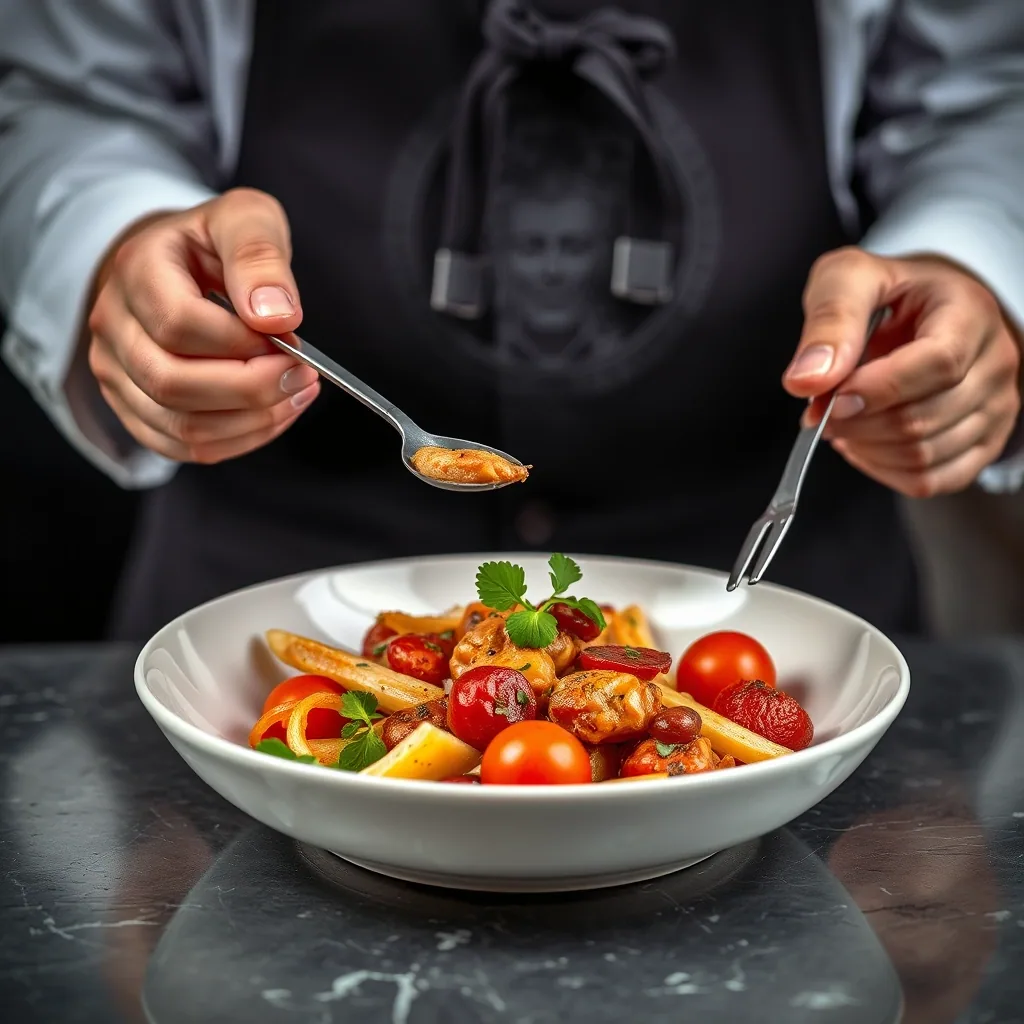
On a chilly evening, nothing warms the soul quite like a bowl of Harrigan’s prime rib soup. 🥣 Imagine the rich aroma of savory broth mingling with tender chunks of beef, fresh vegetables, and herbs that transport you to a cozy kitchen filled with love. This recipe is a true comfort classic!
What makes this soup special is its depth of flavor and hearty texture, all achieved with simple, wholesome ingredients. In just about an hour, you can create a dish that’s perfect for family gatherings or a quiet night in. It’s a foolproof way to impress your loved ones.
By the time you serve this delicious soup, you’ll have a warm bowl filled with velvety broth, juicy prime rib, and vibrant veggies. Each spoonful is a hug in a bowl, making it an ideal choice for those cold nights when you crave something hearty. Let’s get started!
Ingredients for harrigan’s prime rib soup
Gather these fresh ingredients to create a comforting bowl of Harrigan’s prime rib soup.
| Ingredient | Amount | Notes |
|---|---|---|
| Prime Rib 🥩 | 2 ½ lb | Boneless, trimmed for best flavor |
| Beef Broth 🍲 | 4 cups | Low-sodium preferred for control |
| Carrots 🥕 | 2 whole | Chopped into bite-sized pieces |
| Celery Stalks 🥬 | 2 whole | Chopped for flavor and crunch |
| Onion 🧅 | 1 whole | Diced for sweetness and depth |
| Garlic Cloves 🧄 | 4 cloves | Minced for aroma and taste |
| Thyme 🌿 | 1 tbsp | Fresh or dried for herbal notes |
| Bay Leaves 🍃 | 2 pieces | For aromatic infusion in broth |
| Salt 🧂 | 1 tsp | Adjust to taste, kosher preferred |
| Black Pepper 🌶️ | ½ tsp | Freshly ground for best flavor |
| Olive Oil 🫒 | 2 tbsp | For sautéing vegetables smoothly |
| Parsley 🌿 | ¼ cup | Chopped for garnish before serving |
[recipe_ingredient_scaler]
You can find prime rib at your local butcher or upscale grocery stores like Whole Foods. For the best broth, choose low-sodium varieties such as Swanson or homemade if possible. Look for vibrant vegetables with no blemishes—freshness is key for flavor.
If you don't have prime rib, beef chuck roast is a good substitute, though it may require longer cooking. Fresh thyme can be swapped with dried at a ratio of 3:1. If you prefer a spicier kick, add a dash of cayenne pepper to taste.
Store leftover soup in an airtight container in the fridge for up to 3 days. You can freeze it in individual portions for quick meals later on—just ensure to leave some space in the container as it will expand. Reheat gently on the stove for best results.
Step-by-Step Instructions for Harrigan’s Prime Rib Soup
Let me guide you through this comforting dish that transforms prime rib into a hearty, soul-warming soup.
👨🍳 Step 1: Prepare the Prime Rib
Start by trimming any excess fat from your prime rib, leaving just enough to add flavor during cooking. I like to cut the meat into 1-inch cubes for even cooking and ease of eating. Season the cubes generously with salt and pepper. This initial seasoning is crucial as it enhances the overall flavor of the soup.
Next, heat a large pot over medium-high heat and add a splash of oil. Once the oil is shimmering, add the cubed prime rib in batches, ensuring not to overcrowd the pot. I always aim for a nice sear on each piece, cooking for about 3-4 minutes until they’re golden brown on all sides. This step builds rich flavors that will elevate your soup.
🔥 Step 2: Sauté the Vegetables
Once the meat is browned, remove it from the pot and set it aside. In the same pot, add 1 diced onion, 2 diced carrots, and 2 diced celery stalks. I love to sauté these vegetables for about 5-7 minutes until they’re softened and fragrant. You’ll notice they start to caramelize slightly, which adds depth to your soup.
Stir occasionally and scrape up any browned bits from the bottom of the pot—this is where all the flavor resides! When the vegetables are tender, I like to add 3 minced garlic cloves and cook for an additional 1 minute, just until fragrant. Garlic can burn quickly, so keep an eye on it!
🥘 Step 3: Build the Soup Base
Return the seared prime rib back to the pot and pour in 8 cups of beef broth. This rich liquid will be the foundation of your soup. Add 1 tablespoon of Worcestershire sauce, which enhances the umami flavors. For a touch of brightness, toss in a sprig of fresh thyme or 1 teaspoon of dried thyme.
I bring everything to a gentle simmer and let it cook uncovered for about 30-40 minutes. During this time, I keep an eye out for any foam that might form on top, skimming it off as necessary. This simmering process allows the flavors to meld beautifully, creating a savory broth that’s simply irresistible.
⏰ Step 4: Final Touches and Serve
After simmering, taste your soup and adjust the seasoning with more salt or pepper if needed. At this point, I like to add in 2 cups of chopped potatoes, which will help thicken the soup and make it heartier. Cook for an additional 15-20 minutes, or until the potatoes are fork-tender.
Just before serving, stir in a handful of fresh chopped parsley for a pop of color and freshness. Ladle the soup into bowls while it’s still steaming hot, ensuring each serving has plenty of meat and vegetables. This soup is perfect on its own or paired with crusty bread for dipping—enjoy every cozy bite!
Common Mistakes When Making Great harrigan’s prime rib soup
Mistake: Skipping the browning step for the prime rib. This crucial step develops the Maillard reaction, creating deeper flavors and a rich color in your soup. Solution: Before adding any liquids, sear the prime rib on all sides in a hot pot with a bit of oil for about 3-4 minutes per side. This will lock in flavor and create that beautiful base for your soup. ⚠️
Mistake: Using low-quality broth can lead to bland soup. The broth is the backbone of your dish, and if it lacks flavor, so will your soup. Solution: Opt for a high-quality beef broth or stock—brands like Swanson or homemade are great options. If you’re using store-bought, enhance it by simmering with fresh herbs and vegetables for at least 30 minutes before adding to your soup. ✅
Mistake: Overcooking the vegetables can result in mushy bits that detract from the texture of your soup. Solution: Add your vegetables in stages—start with heartier ones like carrots and celery, cooking them for about 5-7 minutes before adding quicker-cooking options like peas or corn. This ensures each ingredient retains its shape and crunch. 🥕
Mistake: Not allowing enough time for flavors to meld together can leave your soup tasting one-dimensional. Solution: After bringing your soup to a boil, reduce the heat and let it simmer for at least 30 minutes. This simmering time allows the flavors to develop fully. Taste and adjust seasonings before serving for a perfectly balanced dish.
Mistake: Forgetting to rest the meat before slicing can lead to dry prime rib pieces. Solution: Allow the prime rib to rest for about 10-15 minutes after cooking. This resting period helps redistribute juices throughout the meat, ensuring each bite is tender and juicy when added to your soup. Your guests will thank you! ✅⚠️
Nutrition Facts
450kcal
[recipe_ingredient_scaler]

Trained in classic French technique but raised on slow-cooked ribs and spicy rubs, she blends culinary skill with smoke and soul.
- Recipe for Boneless Pork Chops in Cast Iron Skillet: Sear and Baste to Juicy Perfection - October 3, 2026
- Recipe for Boneless Cross Rib Roast: Slow-Roasted Beef with Herb Crust - October 3, 2026
- Hamburgers in Sauce Recipe Crock Pot: Slow-Cooked Savory Delight - October 3, 2026