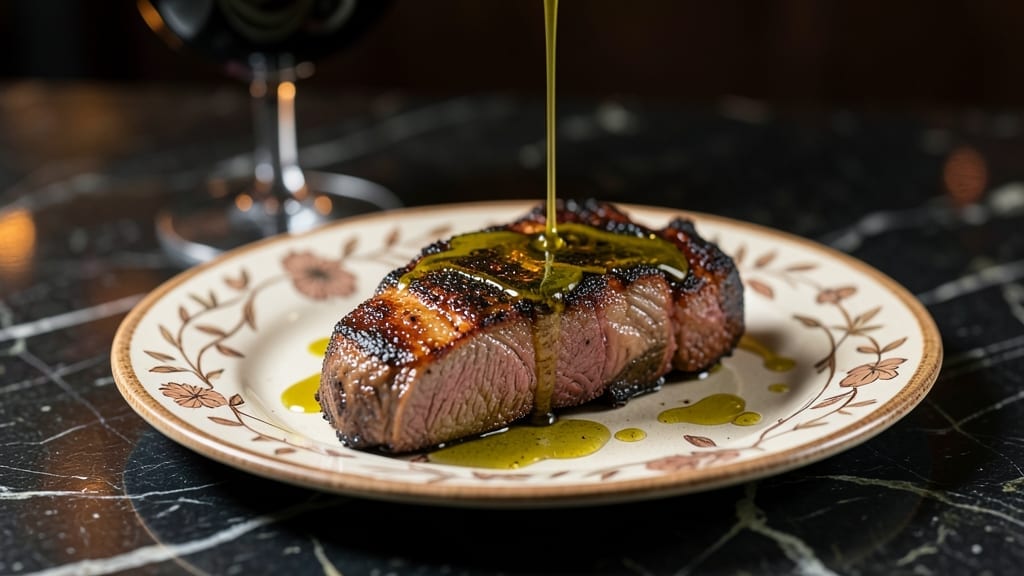
This hickory-smoked pork loin recipe transforms a simple cut into fall-apart tenderness with that unmistakable wood-fired flavor we all crave. 🌟 Growing up in small-town Georgia, I learned that slow-smoked pork isn’t just a meal—it’s an experience that brings people together.
The secret lies in the low-and-slow process, where hickory smoke gently penetrates the meat while a simple dry rub builds deep, savory layers.
What sets this recipe apart is the precision of the smoking process—maintaining a steady 225°F temperature for hours until the internal temperature reaches 195°F. This method ensures the pork stays juicy while developing that signature bark and smoke ring.
I’ve perfected this technique over years of cooking for crowds, and it never fails to impress, even with picky eaters.
The result is a pork loin that’s so tender it nearly melts in your mouth, with a crust that’s perfectly balanced between smoky and caramelized. The aroma alone will have everyone gathering around the table, and the flavor?
That’s the kind of rich, satisfying taste that makes you want to slow-cook every meal.
Serve it with classic Southern sides like creamy coleslaw or buttery mashed potatoes to round out the meal. Here’s how to achieve restaurant-quality results at home, every time. Let’s get started!
Ingredients for hickory smoked pork loin
A few simple ingredients transform pork loin into smoky, melt-in-your-mouth perfection.
| Ingredient | Amount | Notes |
|---|---|---|
| Bone-In Pork Loin 🐖 | 4 lb | Center-cut, 1.5-inch thick |
| Hickory Wood Chips 🌳 | 1 cup | Unsoaked, quality grade |
| Yellow Mustard 🍯 | 2 tbsp | For rub adhesion |
| Brown Sugar 🍚 | ½ cup | Light or dark |
| Smoked Paprika 🌶️ | 2 tbsp | For deep smoky flavor |
| Kosher Salt 🧂 | 2 tbsp | Diamond Crystal preferred |
| Ground Black Pepper 🌶️ | 1 tbsp | Freshly cracked |
| Garlic Powder 🧄 | 1 tbsp | Freshly ground preferred |
| Onion Powder 🧅 | 1 tbsp | For sweet depth |
| Apple Cider Vinegar 🍏 | 1 tbsp | For bark formation |
| Butter 🧈 | ¼ cup | Unsalted, softened |
| Fresh Rosemary 🌿 | ¼ cup | Chopped, for aroma |
| Fresh Thyme 🌿 | ¼ cup | Chopped, for brightness |
| Apple Wood Chips 🍎 | ½ cup | Optional for secondary smoke |
[recipe_ingredient_scaler]
The pork loin is non-negotiable here—bone-in, center-cut gives you that classic smoke ring and keeps it juicy. Costco or your local butcher shop will have the best cuts (look for good marbling). If you can’t find bone-in, go for thick-cut boneless—just add 15 minutes to the cook time. The hickory chips? Traeger or Cookshack brands are my go-to for consistent quality. Soak them? Nope—just toss them on dry. The mustard is key for the rub sticking, but Dijon works too if you’re out of yellow.
No smoked paprika? Regular paprika plus a pinch of liquid smoke gets you close, but the real stuff is worth hunting down at World Market or bulk spice shops. The brown sugar should be light unless you’re going for a deeper caramelized bark—Domino is my default. Fresh herbs are ideal, but dried thyme at half the amount works in a pinch. The apple cider vinegar might seem odd, but trust me—it helps create that perfect bark. And if you’re feeling fancy, toss in those apple wood chips for a fruity secondary smoke (though hickory alone is classic).
This pork is best served fresh off the smoker, but it reheats beautifully—just wrap it in foil and warm in a 250°F oven for 15 minutes. Leftovers keep for 4 days in the fridge, though I rarely have any. The rub? Make extra—it keeps for 3 months in an airtight container. And if you’re prepping for a crowd, double the recipe—the smoker can handle it, and the leftovers? Absolute gold for sandwiches or tacos.
Why You’ll Love This Recipe
- Smoker’s Shortcut: That yellow mustard trick? Game-changer. No fancy prep—just mix, slather, and let it sit while you do something else. The pork comes out so tender, you’ll wonder why you ever overcomplicated things.
- Crispy Outside, Creamy Inside: The hickory smoke and brown sugar caramelize into that perfect bark, while the bone-in cut stays juicy as a cloud. Every bite? Smoky, sweet, and just right—no dry or chewy here.
- Budget-Friendly Luxury: You’d never guess this feels like a restaurant dish for the price of a takeout meal. Hickory chips and fresh herbs? Affordable, but the results? Pure indulgence without the guilt.
Step-by-step instructions for hickory-smoked pork loin
Here’s how to transform a tough cut into melt-in-your-mouth perfection.
🔥 Step 1: Prepare the Rub and Prep the Pork
In a medium bowl, combine the ½ cup brown sugar, 2 tbsp smoked paprika, 2 tbsp kosher salt, 1 tbsp ground black pepper, 1 tbsp garlic powder, 1 tbsp onion powder, and 1 tbsp apple cider vinegar. Mix until completely uniform—this is your flavor bomb.
Now for the secret weapon: the 2 tbsp yellow mustard. This isn’t just flavor—it’s the glue that makes your rub stick like it’s supposed to. Add it to the dry mix and stir until you have a thick, cohesive paste. Pat the 4 lb bone-in pork loin dry with paper towels (seriously, get it bone dry), then slather that mustard mixture all over the meat, pressing it in firmly. Let it sit uncovered in the fridge for at least 1 hour—this lets the rub penetrate deep and the pork come to room temperature.
🔥 Step 2: Set Up Your Smoker for Maximum Smoke
Fill your smoker box with 1 cup hickory wood chips and add the optional ½ cup apple wood chips for that extra depth. Soak them if your smoker requires it, but I prefer dry chips for a more intense smoke flavor. Light them up and let the smoker preheat to 225°F. You want to see that steady blue smoke—thick white smoke means it’s not hot enough yet.
Once you’ve got clean smoke, place the pork loin fat-side up on the smoker grate. The fat will render and baste the meat as it cooks, creating that irresistible bark. Close that lid and don’t peek—every time you open it, you lose heat and moisture. This is where patience pays off.
👨🍳 Step 3: Build the Crust and Monitor the Cook
Cook the pork for 4-5 hours, maintaining that 225°F temperature. Here’s where the magic happens: every 30 minutes, brush the exposed meat with melted ¼ cup butter mixed with chopped ¼ cup fresh rosemary and ¼ cup fresh thyme. This creates that beautiful crust while keeping the meat moist.
After 4 hours, check the internal temperature with a meat thermometer. It should be around 195°F—this is when the collagen starts breaking down and the meat becomes fork-tender. If it’s not there yet, keep smoking. The pork is done when it hits 203°F and a toothpick slides in like butter. This usually takes 5-6 hours total, but don’t rush it—rushing is what makes pork tough.
⏰ Step 4: Rest and Slice for Maximum Juiciness
Remove the pork from the smoker and transfer it to a cutting board. Let it rest for 30 minutes before slicing—this is non-negotiable. The juices need time to redistribute, or you’ll end up with dry meat. While it rests, tent it loosely with foil to keep it warm.
Slice the pork against the grain into ½-inch thick portions. Each slice should be incredibly tender, with a perfect balance of smoky bark on the outside and juicy, pink perfection inside. Serve immediately with pan juices spooned over the top—those flavorful drippings are where the real magic happens.
Pro Tips For Making Hickory Smoked Pork Loin
- Don’t Skip the Mustard: That 2 tbsp yellow mustard isn’t just for flavor—it’s the glue that keeps the rub from sliding off while smoking. I learned this the hard way when my first batch lost half its seasoning mid-cook. Stir it into the dry mix until it’s a thick paste, then press it hard into every crevice of the pork.
- Keep the Lid Shut: Every time you crack that smoker lid, you’re stealing heat and moisture—especially during those 4-5 hours at 225°F. I used to peek obsessively, and my pork always came out drier. Trust the thermometer and resist the urge to check until you’re ready to pull it at 203°F.
- Soften the Butter First: The ¼ cup butter you brush on every 30 minutes should be softened, not melted into a pool. If it’s too liquid, it’ll run off before forming that rosemary-thyme crust. Take it out of the fridge 10 minutes before brushing—just enough to spread easily without sliding.
- Slice Against the Grain (Really): The pork’s muscle fibers run in one direction, and cutting with the grain turns each slice into a chewy rubber band. Grab a knife and slice perpendicular to the grain—you’ll see the fibers part like butter. If you’re unsure, look for the grain’s direction before you start cutting.
Regional styles of this recipe
Southern BBQ Tradition
In the heart of Georgia, where I grew up, hickory-smoked pork loin is a centerpiece of family gatherings. The method I learned from my grandmother—slow smoking over hickory wood—creates that deep, woody flavor we all associate with Southern barbecue.
The pork is often served at church potlucks or holiday feasts, where it’s sliced thick and served with coleslaw and cornbread. The key here is patience: the longer you smoke it, the more tender it becomes.
I’ve seen families argue over the perfect bark texture, and honestly, that’s half the fun. 🌟
Texas-Style Spice Blend
If you’re craving something with a little more kick, try the Texas-style approach—where the rub includes more heat. Swap out 1 tbsp of the brown sugar for 1 tbsp chili powder and add ½ tsp cayenne pepper to the original rub.
I like to add 1 tsp smoked cayenne from Penzeys for a deeper, smokier heat. The result is a pork loin with a spicy crust that still keeps the meat juicy inside. This version pairs perfectly with a cool mango salsa or a creamy pepper jelly for balance. 🔥
Appalachian Applewood Fusion
In the Appalachian Mountains, where I’ve competed in several BBQ competitions, applewood is often used alongside hickory for a sweeter, fruitier smoke profile. Replace ½ cup of the hickory wood chips with ½ cup apple wood chips for that classic Appalachian touch.
The applewood adds a subtle sweetness that complements the pork beautifully. I also like to add 1 tbsp apple cider vinegar to the butter brush mixture during cooking—it enhances the natural sweetness of the applewood smoke.
This method is especially great for those who love a slightly sweeter, more aromatic smoke. 🍏
Carolina Vinegar-Infused Style
Down in the Carolinas, where I apprenticed under Master Chef Robert Chen, pork is often cooked with a vinegar-based rub for tangy depth. Increase the apple cider vinegar in the original rub to 2 tbsp and add 1 tbsp of hot sauce like Crystal.
This creates a bright, tangy crust that cuts through the richness of the smoked pork. The vinegar also helps tenderize the meat as it cooks. Serve this version with a classic Carolina-style white vinegar coleslaw to keep the flavors cohesive.
This style is a crowd-pleaser, especially when you’re feeding a big group. 🍯
Modern Smoked & Grilled Hybrid
For those who want a little extra char, try this modern twist: smoke the pork for 3 hours at 225°F to develop the smoke flavor, then finish it off with a quick sear over medium-high heat for 2-3 minutes per side.
This step adds a beautiful crust while keeping the meat juicy. I use a Lodge cast iron skillet for this final sear—it’s one of my prized pieces, and it really brings out the flavors. This method is perfect if you’re short on time but still want that smoky depth.
It’s a favorite at my farm when we’re hosting guests who want both tradition and a modern twist. ⚡
Nutrition facts
Frequently asked questions
Why does the recipe call for bone-in pork loin?
The bone-in cut ensures extra flavor and moisture during smoking, creating that signature smoke ring and juicy texture. The fat surrounding the bone renders beautifully, basting the meat as it cooks—this is what gives you that irresistible bark and tender crumb. If you can’t find bone-in, thick-cut boneless pork works too, but expect 15 extra minutes of cook time.
How do I know when the pork is done without cutting into it?
Use a meat thermometer to check the internal temperature—aim for 203°F in the thickest part of the meat. The pork should also feel tender when pressed gently. If it’s still firm at 195°F after 4 hours, keep smoking; the collagen will continue breaking down until you hit that perfect 203°F mark. A toothpick should slide in like butter.
Can I use dried herbs instead of fresh rosemary and thyme?
Yes! For the butter brush mixture, use ½ teaspoon dried rosemary and ½ teaspoon dried thyme per ¼ cup butter. Dried herbs are more concentrated, so reduce the amount by 90% compared to fresh. The flavor will be more intense, so adjust to taste.
What if my smoker temperature fluctuates? How does that affect cooking?
Fluctuations are normal, but try to keep the temperature as close to 225°F as possible. If it drops below 200°F, the bark won’t develop properly, and the meat may dry out. Use a good-quality meat thermometer and adjust vents or wood chips as needed. If it’s too hot, add more chips to maintain steady smoke. Patience is key—don’t rush the process!

Trained in classic French technique but raised on slow-cooked ribs and spicy rubs, she blends culinary skill with smoke and soul.
- Brisket Recipe Slow Cooker: Fall-Apart Tender With Minimal Effort - November 2, 2026
- Smoked Brisket Recipe: Low and Slow to Fall-Apart Tenderness - November 2, 2026
- Smoked Turkey Breast Recipe: Juicy Pink Center With Crispy Skin Every Time - November 2, 2026