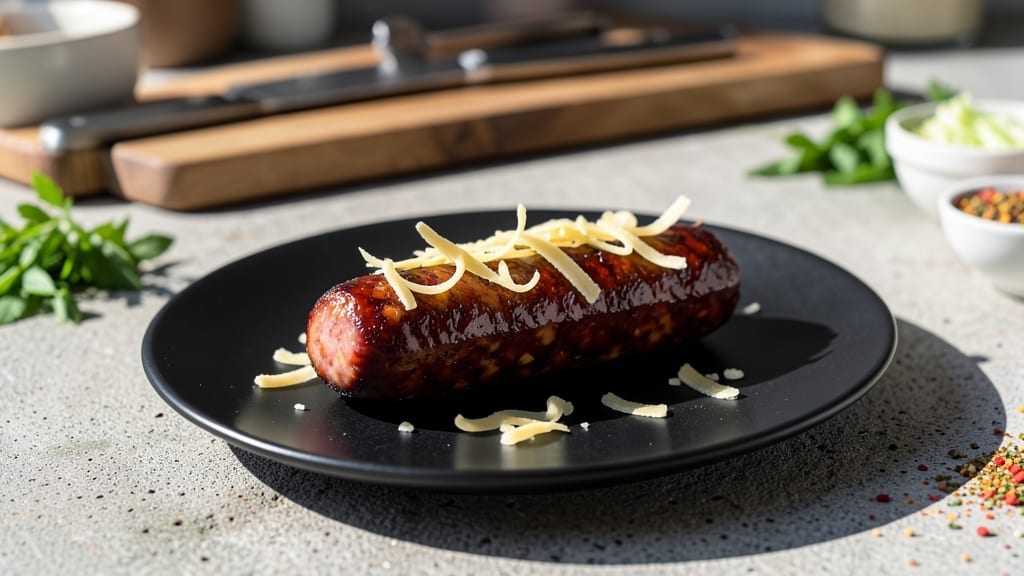
Creating homemade smoked sausage from scratch is where craftsmanship meets tradition—where every spice blend and smoking hour transforms simple meat into something extraordinary.
The day I realized French technique could elevate my rubs changed everything, and this recipe is the result: bold, aromatic, and packed with that deep, smoky character that makes it unforgettable.
This method starts with the right cut of meat—pork shoulder or a blend of pork and beef—ground to your preferred coarseness, then carefully seasoned with a mix of black pepper, fennel, garlic, and just enough heat to linger.
The key lies in the slow cure, where spices penetrate deeply before the meat is stuffed into casings and smoked at precise temperatures. It’s a process that demands patience, but the reward is sausage with layers of flavor you won’t find in store-bought versions.
By the time you slice into these sausages, you’ll taste the perfect balance of smoky richness, tender meat, and a snap of spice that makes every bite satisfying.
The aroma alone will have your kitchen smelling like a pitmaster’s dream, and the texture—juicy yet firm—is exactly what you’d expect from a professionally crafted product. This isn’t just a recipe; it’s a skill you’ll refine with each batch.
Pair these sausages with crusty bread, grilled vegetables, or a sharp mustard dip to let their flavors shine. Whether you’re feeding a crowd or treating yourself to a slow-cooked masterpiece, this method delivers perfect results every time. Let’s get started on crafting your own legacy of smoky, spice-packed perfection.
Ingredients for homemade smoked sausage
Simple ingredients meet French technique for homemade smoked sausage perfection.
| Ingredient | Amount | Notes |
|---|---|---|
| Pork Shoulder 🐷 | 2 lb | Fat marbled, chilled overnight |
| Beef Chuck 🥩 | ½ lb | For added richness |
| Black Peppercorns 🌶️ | 2 tbsp | Freshly ground for best flavor |
| Fennel Seeds 🌿 | 1 ½ tbsp | Toasted for aromatic depth |
| Garlic Cloves 🧄 | 6 cloves | Peeled, rough chopped |
| Dried Rosemary 🍃 | 1 tbsp | Fresh or dried, chopped |
| Dried Thyme 🌿 | 1 tbsp | For earthy complexity |
| Red Pepper Flakes 🔥 | 1 tsp | Adjust for heat preference |
| Natural Casings 🧵 | 1 package | Soaked in water |
| Sea Salt 🧂 | 1 ½ tsp | Fine grain preferred |
[recipe_ingredient_scaler]
The meat is everything here. Pork shoulder gives that juicy, tender bite, while beef chuck adds depth. I always buy pre-chilled cuts from Costco—they’re cheaper and save time. Fat marbling is non-negotiable; look for bright red, not grayish meat. If you’re blending, use 70/30 pork/beef ratio for the best balance. The casings? Natural hog casings are ideal, but collagen casings work in a pinch—just soak them longer.
No beef chuck? Ground chuck works—just add a splash of beef broth to keep it moist. Short on fennel seeds? 1 tbsp ground fennel gets you close, though toasting whole seeds first is worth the effort. Want more heat? Cayenne pepper at half the amount cranks it up. The peppercorns should be freshly ground—pre-ground loses potency fast. If you’ve got dried herbs, halve the amount and toast them in a dry pan for 30 seconds to wake up the flavors.
This isn’t a quick project. The meat needs 24 hours in the cure (or overnight in the fridge) for the spices to penetrate. Stuff the casings tightly—no air pockets—and smoke at 165°F for 2-3 hours. For extra tenderness, rest the sausages 30 minutes before slicing. They’ll keep 5 days in the fridge or 3 months frozen. I portion mine into bags for easy reheating—just microwave 30 seconds to defrost.
Why You’ll Love This Recipe
- I’ll be real: this isn’t a weekend project. Let the meat cure overnight, then smoke it while you’re at work—3 hours on the smoker, and dinner’s basically done. Slice it up for sandwiches, toss it in pasta, or just eat it plain with a beer. My kids even ask for seconds (yes, even on a Tuesday night).
- No Grinder? No Problem: Honestly, I used to think I needed fancy equipment, but this recipe works with whatever you’ve got. Just let the pork shoulder and beef chuck sit out for 30 minutes, then grind them separately—no need to stress over perfect texture. The key is mixing those spices (that toasted fennel and rosemary?) by hand until every bite is packed with flavor.
- Smoky Perfection in 3 Hours: That low-and-slow smoke at 180°F with hickory and apple wood? Chef’s kiss. The garlic cloves and black peppercorns caramelize just enough to give it that deep, savory kick, while the beef chuck adds richness you won’t find in store-bought. And the snap when you bite in? Pure satisfaction.
- Weeknight Hero: I’ll be real: this isn’t a weekend project. Let the meat cure overnight, then smoke it while you’re at work—3 hours on the smoker, and dinner’s basically done. Slice it up for sandwiches, toss it in pasta, or just eat it plain with a beer. My kids even ask for seconds (yes, even on a Tuesday night).
Step-by-step instructions for homemade smoked sausage
Here’s how to craft restaurant-quality smoked sausage with bold flavors and perfect texture.
Grind and Mix the Meat and Spices
First, remove the pork shoulder and beef chuck from the refrigerator and let them sit at room temperature for about 30 minutes. This ensures even cooking and better texture. Using a meat grinder with a medium plate, grind the pork shoulder into coarse crumbles. Transfer the ground pork to a large mixing bowl.
Next, add the beef chuck and grind it separately to the same coarse texture. Fold this into the pork mixture. Now it’s time for the spices: add the 2 tablespoons black peppercorns, 1½ tablespoons fennel seeds, 6 rough-chopped garlic cloves, 1 tablespoon dried rosemary, 1 tablespoon dried thyme, and 1 teaspoon red pepper flakes. Sprinkle the 1½ teaspoons sea salt evenly over the mixture.
Using your hands or a wooden spoon, mix everything thoroughly until the spices are evenly distributed. The meat should look uniformly speckled with the spices. This step is crucial for developing that signature flavor profile—don’t rush it. You’ll know it’s ready when every bite of meat has visible flecks of spice throughout.
Stuff the Natural Casings
Soak the natural casings in water for about 1 hour or until they become pliable and stretchy. This makes them easier to work with and prevents them from breaking during stuffing. Drain and rinse the casings thoroughly before using. I like to thread them onto a sausage stuffer or use a funnel attached to a sausage tube for easier handling.
Fill the sausage stuffer with the meat mixture and begin stuffing the casings. Hold the casing at a slight angle and gently squeeze the plunger to push the meat in. Maintain a steady pressure to avoid air pockets, which can cause the sausage to burst during smoking. For about 4 servings, you should end up with roughly 4 pounds of stuffed sausage links.
Once the casings are filled, tie them off into individual links using butcher’s twine, spacing them about 4-5 inches apart. This length creates bite-sized sausages perfect for smoking. If you notice any leaks or thin spots, discard that section to prevent contamination. The sausage should feel firm but not rock-hard when pressed.
Smoke the Sausage Low and Slow
Preheat your smoker to 180°F using a mix of hickory and apple wood for a balanced smoke flavor. Place the stuffed sausages on the smoker grates, leaving space between each link for proper airflow. Close the lid and let the sausages smoke undisturbed for about 3 hours. This low-and-slow approach ensures the meat cooks evenly and develops that perfect snap when bitten into.
After 3 hours, check the internal temperature of the sausages using a meat thermometer. They’re ready when the center reaches 155°F. The sausages should have a deep, rich color and a firm yet slightly springy texture. If they haven’t reached temperature, return them to the smoker for another 30 minutes or until they do.
Once fully cooked, remove the sausages from the smoker and let them rest for at least 10 minutes before slicing. This resting period allows the juices to redistribute, ensuring each bite is moist and flavorful. Store any leftovers in the refrigerator for up to 5 days or freeze for longer storage.
Pro Tips For Making Homemade Smoked Sausage
- Toast Those Fennel Seeds: DESCRIPTION: I learned this the hard way—skipping the toast means your fennel flavor will taste bitter and one-dimensional. Dry-toast the 1.5 tbsp fennel seeds in a pan over medium heat for 2-3 minutes until fragrant and golden. Let them cool before grinding or chopping, or they’ll release oils everywhere.
- Keep Meat Cold Before Grinding: DESCRIPTION: Your pork shoulder and beef chuck should still feel slightly chilled after the 30-minute room temp rest—not warm. If they’re too soft, the fat will render unevenly, making your sausage greasy. Stick a finger in—if it’s sticky with fat, pop it back in the fridge for 10 minutes.
- Stuff Slow, Press Firm: DESCRIPTION: Rushing the stuffing creates air pockets that’ll burst during smoking. Fill the casings slowly, pressing the plunger with steady, even pressure—like you’re squeezing toothpaste, not forcing it. If the meat drags, stop and re-wet the casing with cold water.
- Check Temp, Don’t Guess: DESCRIPTION: The 155°F internal temp is non-negotiable. After 3 hours, some links might look done while others drag behind. Skewer the thickest one—if it’s not hitting temp, add another 30 minutes. Undercooked sausage is mushy; overcooked is dry. Trust the thermometer, not the color.
Serving suggestions for leftovers
Grilled Vegetable Platter
Grilling your homemade smoked sausage alongside charred vegetables is a match made in heaven. I love tossing bell peppers, zucchini, and red onion slices on the grill for 8-10 minutes, turning occasionally, until they develop tender edges and slight char marks.
A drizzle of olive oil and sprinkle of fresh rosemary before grilling enhances their natural sweetness. The smoky sausage’s bold flavors pair beautifully with the vegetables’ earthy, caramelized notes. 🌿
Crusty Bread and Mustard Dip
Nothing beats serving smoked sausage with a rustic loaf of baguette or ciabatta for soaking up those smoky juices. I always keep a bowl of Dijon mustard mixed with a splash of apple cider vinegar and a pinch of honey on the side.
The tangy mustard cuts through the richness while the honey adds a subtle sweetness. For extra indulgence, toast the bread until golden and crisp. 🍞
Classic BBQ Sauce Drizzle
A simple BBQ sauce like Sweet Baby Ray’s Original transforms smoked sausage into a crowd-pleaser. Brush a light layer over the grilled sausages just before serving, or serve it on the side for dipping.
The sauce’s sweet and smoky profile complements the sausage’s bold spices without overpowering them. I also like adding a sprinkle of crushed red pepper flakes to the sauce for a subtle kick. 🔥
Simple Green Salad
Balance the richness of your smoked sausage with a crisp arugula salad tossed in lemon vinaigrette. Toss 4 cups baby arugula with 2 tbsp olive oil, 1 tbsp lemon juice, 1 tsp Dijon mustard, and a pinch of sea salt.
Add ½ cup sliced cherry tomatoes and ¼ cup crumbled feta cheese for a refreshing contrast. The peppery greens cleanse the palate between bites. 🥗
Wine and Beer Pairings
For wine lovers, a medium-bodied red like Chianti or Zinfandel complements the sausage’s smoky and spicy notes. The tannins in red wine help cut through the fat, balancing the dish.
If you prefer beer, a crisp lager like Pilsner or an amber ale works perfectly—avoid heavy stouts or overly hoppy IPAs that can clash with the spices. 🍷
Nutrition facts
Frequently asked questions
Why does my homemade smoked sausage need to rest before slicing?
Resting for at least 10 minutes after smoking lets the juices redistribute, keeping your sausage tender and flavorful. Skipping this step can leave you with dry, tough bites—no one wants that!
What’s the best way to handle leaks or thin spots in the casings?
If you spot leaks or weak spots while stuffing, discard that section immediately—no shortcuts! Contaminated meat can spoil your whole batch. For future batches, ensure casings are fully soaked and handle them gently during stuffing.
Can I use pre-ground meat instead of grinding it myself?
Yes, but texture matters! Pre-ground meat may be finer, which can make your sausage denser. For the best coarse, flavorful bite, grind your own pork and beef to a consistent, slightly chunky texture.
How do I adjust the heat level if I prefer milder sausage?
Reduce the red pepper flakes to ½ teaspoon or omit them entirely. For extra mildness, skip the cayenne or fennel seeds—your sausage will still be rich and smoky without the kick.
What’s the best way to reheat leftover smoked sausage?
Gently warm in a skillet over medium-low heat for 3-5 minutes or microwave for 30 seconds to avoid drying it out. Avoid high heat—it’ll turn your sausage rubbery!

Trained in classic French technique but raised on slow-cooked ribs and spicy rubs, she blends culinary skill with smoke and soul.
- Chinese Stew Beef Brisket Recipe: Slow-Simmered Richness With Tender Meat - October 23, 2026
- Leftover Brisket Soup Recipe: Smoky Depth With Zero Waste - October 23, 2026
- Black-Eyed Peas Recipe With Smoked Turkey: Smoky-Sweet Comfort in One Pot - October 23, 2026