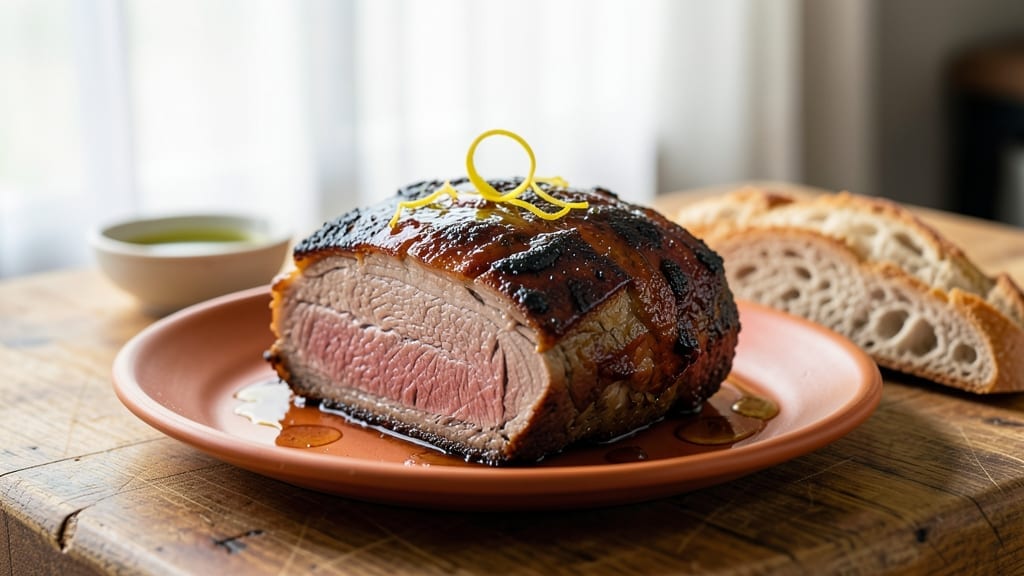
This brisket recipe no tomatoes delivers all the smoky, spice-rubbed tenderness you crave without relying on tomato-based sauces. The secret lies in a carefully balanced dry rub and precise cooking method that transforms tough meat into melt-in-your-mouth perfection.
I’ve perfected this technique over years of testing, ensuring every bite is rich, flavorful, and deeply satisfying.
What sets this brisket apart is the low-and-slow approach, whether you’re smoking, braising, or grilling. The key is patience—allowing the meat to break down gradually while the spices penetrate deeply.
No tomatoes mean the natural beefy flavors shine through, enhanced by a blend of smoked paprika, garlic powder, and brown sugar. The result? A brisket so tender it falls apart at the touch.
By the time it’s done, you’ll have a restaurant-quality centerpiece with a dark, flavorful bark and juicy, fork-tender meat inside. The aroma alone will have everyone gathering around the table. Serve it with classic sides like mashed potatoes or coleslaw for a meal that feels both comforting and impressive.
This method works equally well for a weekend project or a special occasion—just plan ahead for the 8-12 hours of cooking time. The payoff? A brisket so good, no one will guess it wasn’t slow-smoked for hours. Let’s get started on this showstopper.
Ingredients for brisket recipe no tomatoes
Pantry staples meet smoky magic—just a handful of ingredients for brisket perfection without tomatoes.
| Ingredient | Amount | Notes |
|---|---|---|
| Beef Brisket 🥩 | 4 lb | Packer cut, good fat cap |
| Coarse Kosher Salt 🧂 | ½ cup | Diamond Crystal preferred |
| Smoked Paprika 🌶️ | ¼ cup | High-quality for smokiness |
| Garlic Powder 🧄 | 2 tbsp | Freshly ground preferred |
| Brown Sugar 🍯 | ¼ cup | Light or dark works |
| Ground Black Pepper 🌶️ | 1 tbsp | Freshly cracked preferred |
| Onion Powder 🧅 | 1 tbsp | Freshly ground preferred |
| Ground Cumin 🌿 | 1 tbsp | Toasted for depth |
| Yellow Mustard 🍯 | 2 tbsp | For moisture barrier |
| Beef Tallow or Bacon Fat 🥓 | ¼ cup | For bark development |
| Fresh Thyme 🌿 | ¼ cup | Chopped, stems removed |
| Apple Cider Vinegar 🍎 | 2 tbsp | For tenderizing |
| Yellow Onion 🧅 | 1 whole | Sliced for aromatics |
| Garlic Cloves 🧄 | 6 cloves | Smashed for infusion |
| Beef Broth 🍲 | 1 cup | Low-sodium preferred |
[recipe_ingredient_scaler]
The brisket cut is everything here. Packer cut with good fat is ideal—look for it at Costco or your butcher shop. If you’re buying from the grocery store, Kroger or Whole Foods usually carry it pre-trimmed. The fat cap isn’t just for flavor—it helps create that coveted bark. Trim it to about 1/4-inch thickness for even cooking. For the spices, Penzeys or bulk bins at natural markets are your best bet—they stay fresh longer than those sad little jars at the supermarket.
No smoked paprika? Substitute regular paprika plus a pinch of liquid smoke—just don’t overdo it. The mustard is non-negotiable for that moisture barrier, but Dijon works too. Short on thyme? Fresh rosemary at half the amount gives a similar woodsy note. The apple cider vinegar might seem odd, but it tenderizes the meat beautifully—white vinegar works in a pinch. For the onions and garlic, yellow onions have more sweetness than red, and roasting them first adds incredible depth. The beef broth? Homemade is best, but even the low-sodium store-bought stuff works if you dilute it with water.
This brisket is a marathon, not a sprint. Plan for 8-12 hours of cooking time, depending on your method. Wrap it tightly in butcher paper or foil after the first few hours to lock in moisture. The leftovers? Reheat gently in the oven—microwaving turns them sad. Keeps for 5-6 days in the fridge or 3 months frozen. I always make double—one for dinner, one for sandwiches the next day. The bark gets even better after a day of resting, so don’t rush it.
Why You’ll Love This Recipe
- No-Tomato Magic: Honestly, this brisket doesn’t need tomatoes to steal the show. The ¼ cup smoked paprika and 1 tbsp ground cumin create that deep, earthy smokiness without any tangy fruit interference—just pure, unfiltered beef flavor that’s hard to resist.
- One-Rub Wonder: I mix the ½ cup coarse kosher salt, 2 tbsp garlic powder, and ¼ cup brown sugar into a dry rub that sticks like glue. No fancy marinades or complicated steps—just slather, refrigerate, and forget about it for an hour. That’s it. The yellow mustard even helps the rub cling better, so you get that perfect bark every time.
- Leftovers That Last: This recipe makes 4 servings, but honestly, it’s so good you’ll want seconds. The beef broth and apple cider vinegar reduction keeps it moist, and it holds up for 5-6 days in the fridge or 3 months frozen. Sandwiches, tacos, or just reheated with the sauce? You name it.
- Budget-Friendly Beef: A 4 lb brisket is one of the most affordable cuts, and with beef tallow (or bacon fat) for searing, you’re not wasting a drop. The spices are cheap, the prep is simple, and the results? Chef’s kiss—no fancy ingredients required, just a meal that feels special without breaking the bank.
Step-by-step instructions for smoky, spice-rubbed brisket
Here’s the method—simple, reliable, and packed with deep flavor without relying on tomato sauce.
Prepare the Brisket with the Dry Rub
Start by trimming the fat cap of the 4 lb beef brisket down to about ¼ inch thickness using a sharp boning knife. Leave the fat on the edges to protect the meat during cooking. Pat the surface completely dry with paper towels—this ensures the rub adheres properly and helps develop that coveted bark later.
In a medium bowl, combine the ½ cup coarse kosher salt, ¼ cup smoked paprika, 2 tbsp garlic powder, ¼ cup brown sugar, 1 tbsp ground black pepper, 1 tbsp onion powder, 1 tbsp ground cumin, and 2 tbsp yellow mustard. Mix thoroughly until the spices are evenly distributed and the mustard is fully incorporated. This blend creates a balanced sweet, smoky, and slightly tangy crust.
Generously coat the brisket with the spice rub, pressing it firmly into the meat so it sticks. Don’t skip this step—it’s what creates that deep, complex flavor. Place the brisket on a wire rack set over a baking sheet, fat-side up, and refrigerate uncovered for at least 1 hour. This allows the rub to penetrate and the meat to dry slightly, which is crucial for bark development.
Sear and Sear Again for Maximum Flavor
Preheat your oven to 250°F. Remove the brisket from the fridge and let it sit at room temperature for 30 minutes. Heat a heavy oven-safe skillet over medium-high heat and add the ¼ cup beef tallow or bacon fat. Let it melt and get shimmering hot—this is your signal to sear.
Place the brisket fat-side down in the skillet and sear for 5 minutes until deeply browned. Flip it and sear the other side for another 5 minutes. The fat should render and create a rich, flavorful crust. Transfer the skillet to the preheated oven and cook for 2 hours. This initial sear locks in juices and builds flavor layers that the slow cook can’t match.
After 2 hours, remove the brisket from the oven and let it rest for 15 minutes. Meanwhile, finely chop the 1 yellow onion and mince the 6 garlic cloves. Heat a separate skillet over medium heat and add the chopped onion and garlic. Cook for 3-4 minutes until softened but not browned. This aromatic base will infuse the final cooking liquid.
Slow Cook with Moisture and Aromatics
Return the brisket to the oven and cook for an additional 4-6 hours, or until the internal temperature reaches 195-203°F at the thickest part of the meat. The probe should slide in like butter with no resistance. This is where patience pays off—the low and slow process breaks down the connective tissue, transforming tough meat into melt-in-your-mouth tenderness.
About 1 hour before the brisket is done, pour the 1 cup beef broth into the skillet with the cooked onions and garlic. Add the ¼ cup chopped fresh thyme and 2 tbsp apple cider vinegar. Bring to a simmer and let it reduce by half, creating a concentrated, aromatic liquid that will be used to baste the brisket. The vinegar adds a subtle tang that cuts through the richness.
Once the brisket reaches the target temperature, remove it from the oven and tent loosely with aluminum foil. Let it rest for at least 1 hour before slicing. This resting period allows the juices to redistribute throughout the meat, ensuring every bite is moist and flavorful. The reduced broth and aromatics can be used as a basting sauce or served on the side for extra depth.
Slice and Serve for Maximum Tenderness
After resting, remove the brisket from the foil and slice it against the grain into ¼-inch thick slices. The grain direction will be visible as lines running through the meat. Cutting against the grain shortens the muscle fibers, making each bite more tender. You should have about 4 servings, each with a perfect balance of smoky, spicy, and slightly sweet flavors.
Serve the brisket immediately with the reduced broth and aromatics spooned over the top. The bark should be dark and crispy, with a beautiful pink smoke ring just beneath the surface. Each slice should pull apart easily with a fork, indicating true tenderness. Pair it with crusty bread or roasted vegetables to soak up every last bit of that rich, smoky sauce.
Pro Tips For Making Brisket Recipe No Tomatoes
- Trim the Fat Right: That ¼-inch fat cap isn’t just for looks—it’s your brisket’s armor. Trim it too thin, and you risk dryness; leave it too thick, and you’ll end up with greasy, uneven cooking. Use a sharp boning knife and work in one smooth motion. I learned this the hard way when my first attempt left me with a brisket that looked like it had been through a food processor.
- Toast Your Cumin: Skipping this step means missing out on that deep, earthy depth the recipe promises. Dry-toast the 1 tbsp ground cumin in a skillet over medium heat for 30 seconds—just until it smells nutty and aromatic. Let it cool before mixing it into the rub. Sounds weird, but it works: the toasted cumin clings better to the meat and adds a complexity you won’t get otherwise.
- Don’t Rush the Rest: That 1-hour rest after pulling the brisket from the oven isn’t optional—it’s the difference between juicy perfection and a sad, stringy mess. Tent it loosely with foil and let it sit while you finish the aromatics. I know, I know, you’re hungry now, but trust the process. Your future self (and your guests) will thank you.
- Use the Vinegar Early: The 2 tbsp apple cider vinegar isn’t just for the final simmer—add it to the reduced broth before basting the brisket. The acid tenderizes the meat from the inside out, cutting through the richness of the fat and balancing the sweetness of the brown sugar. I was skeptical until I tried it, and now I never skip it.
Creative variations of this dish
Spicy Southwest Style
Add 2 tbsp chipotle powder and 1 tsp cayenne pepper to your original dry rub for a fiery kick. I also toss in ½ cup diced jalapeños and ¼ cup chopped cilantro into the onion-garlic mixture before simmering.
This creates a Mexican-inspired brisket with authentic heat and fresh herb notes. The chipotle adds smoky depth while keeping it tomato-free. 🌶️
Herb-Crusted French Approach
Swap half the smoked paprika for 2 tbsp dried thyme and 1 tbsp rosemary, then add 3 minced garlic cloves and 1 shallot to the sear fat before cooking.
After the initial sear, brush the brisket with 2 tbsp Dijon mustard mixed with 1 tbsp olive oil for extra moisture. This French-inspired variation yields a delicate herb crust with tender, juicy meat.
BBQ-Free Smoky Glaze
Instead of tomato-based BBQ sauce, create a glaze using ¼ cup apple cider vinegar, 2 tbsp Worcestershire sauce, and 1 tbsp brown sugar. Simmer these ingredients with the onion-garlic mixture until reduced by half, then brush generously over the brisket during the last hour of cooking.
The result is a sweet-tangy glaze that enhances without overpowering.
Asian-Inspired Ginger-Garlic
Add 1 tbsp grated fresh ginger and 1 tbsp toasted sesame oil to your onion-garlic mixture, then include 1 tbsp fish sauce and 1 tbsp soy sauce to the broth reduction.
The ginger adds warmth while the sesame oil brings nutty depth. This fusion version transforms your brisket into an Asian-inspired centerpiece with complex umami flavors. 💛
No-Smoker Oven Method
For those without a smoker, use a combination of applewood pellets (if available) or wrap the brisket in butcher paper after the initial sear. Place it on a wire rack in a cold oven, then increase temperature gradually to 275°F for the final cooking phase.
The paper mimics the moisture retention of foil while allowing airflow for bark development—perfect for home ovens.
Nutrition facts
Frequently asked questions
Why skip tomatoes in brisket recipes?
Tomatoes can make brisket overly acidic and dilute the natural beefy flavor. This method lets the smoky paprika and brown sugar shine while keeping the meat tender and rich. The apple cider vinegar adds tang without the tomato heaviness, balancing the spices perfectly.
Can I use a different cut of beef instead of brisket?
Brisket is ideal for this recipe due to its fat content and connective tissue, which breaks down beautifully during slow cooking. While you could try chuck roast, it won’t develop the same depth of flavor or texture. The Packer cut with good fat is specifically chosen for its tenderness and bark potential.
How do I check if the brisket is done without a meat thermometer?
Press a sharp knife or fork into the thickest part of the meat—it should feel like butter and pull away easily. Alternatively, look for a pink smoke ring just beneath the surface and a dark, crispy bark. If the meat is still firm and springy, it needs more time. Patience is key for perfect tenderness!
What’s the best way to reheat leftovers?
Reheat gently in the oven at 250°F for 20-30 minutes, covered with foil. Microwaving can dry out the meat, ruining the texture. For extra moisture, brush with a little beef broth before reheating. The brisket stays delicious for 5-6 days in the fridge or 3 months frozen.

Trained in classic French technique but raised on slow-cooked ribs and spicy rubs, she blends culinary skill with smoke and soul.
- Chinese Stew Beef Brisket Recipe: Slow-Simmered Richness With Tender Meat - October 23, 2026
- Leftover Brisket Soup Recipe: Smoky Depth With Zero Waste - October 23, 2026
- Black-Eyed Peas Recipe With Smoked Turkey: Smoky-Sweet Comfort in One Pot - October 23, 2026