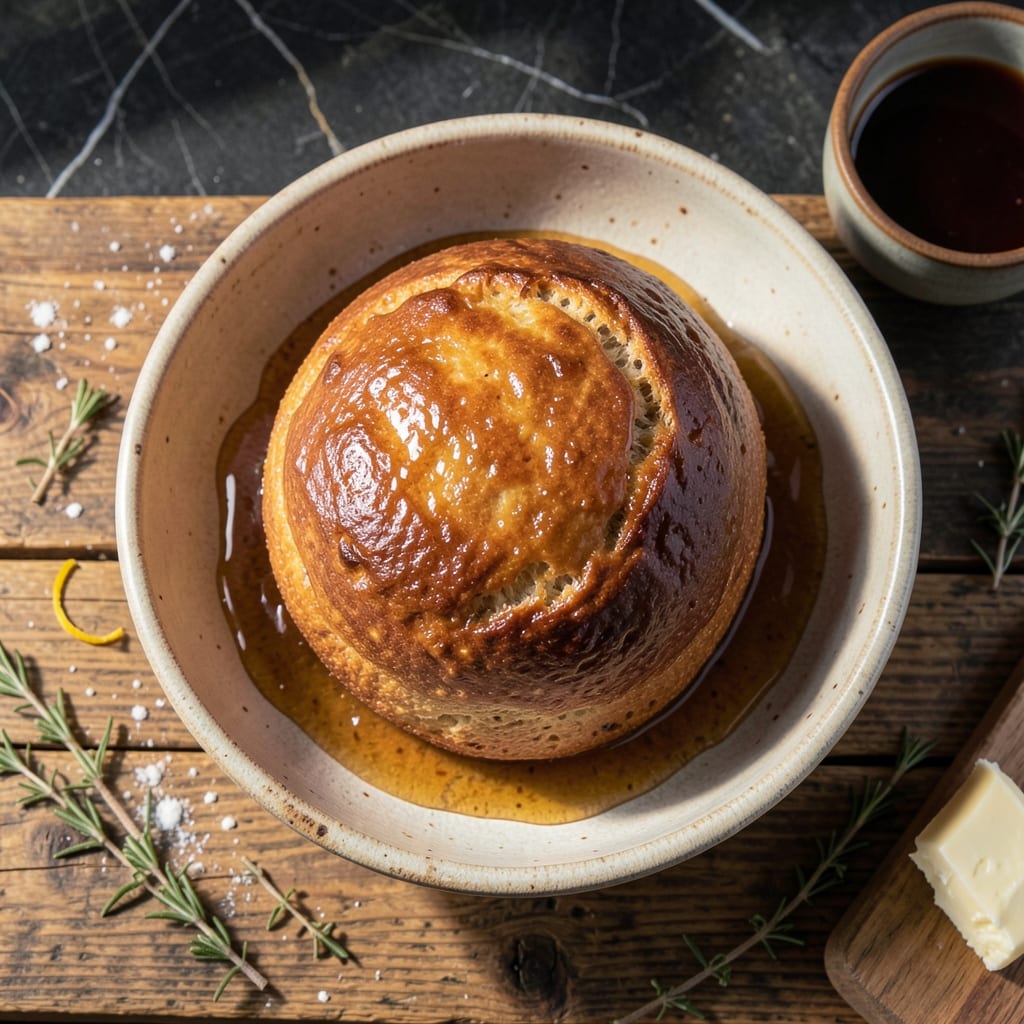
There’s nothing quite like the satisfaction of pulling a warm loaf of homemade bread from the oven. This recipe delivers a soft and pillowy texture with the subtle sweetness of honey and the convenience of instant yeast.
I developed this method after years of experimenting with different dough techniques. The instant yeast eliminates the need for lengthy proofing, while the honey adds natural sweetness and a beautiful golden crust.
You’ll be rewarded with a loaf that’s light, airy, and perfect for sandwiches or toast. The aroma alone will make your kitchen feel like a professional bakery.
The process is straightforward, with clear steps for mixing, rising, and baking to ensure consistent results every time.
Ingredients for Honey Bread Recipe with Instant Yeast
Nine simple ingredients transform into a warm, pillowy loaf with golden honey sweetness.
| Ingredient | Amount | Notes |
|---|---|---|
| Instant Yeast 🍞 | 2 ¼ tsp | Active dry works too |
| Warm Water 💧 | 1 ¼ cup | 110-115°F, not hot |
| Honey 🍯 | ¼ cup | Clove or wildflower variety |
| Whole Milk 🥛 | ¼ cup | Warmed to 110°F |
| Unsalted Butter 🧈 | 2 tbsp | Melted and cooled |
| Large Egg 🥚 | 1 whole | Room temperature preferred |
| Bread Flour 🌾 | 4 cups | Plus extra for dusting |
| Fine Sea Salt 🧂 | 1 ½ tsp | Diamond Crystal preferred |
| Granulated Sugar 🍚 | 2 tbsp | Balances yeast activity |
| Olive Oil 🫒 | 1 tbsp | For greasing bowl |
[recipe_ingredient_scaler]
The honey quality matters here. Local, raw honey from farmers markets adds the best depth of flavor, but any grocery store variety works fine. King Arthur or Bob’s Red Mill bread flour gives that perfect high-rise structure. Instant yeast from SAF or Fleischmann’s is reliable—check the expiration date, as old yeast loses potency fast.
No warm milk? Warm water with a splash of plant milk works in a pinch. Substitute maple syrup or agave for honey if needed (1:1 ratio). The egg adds richness but can be omitted for a slightly denser loaf—add 2 tbsp extra water to compensate. Bread flour is ideal, but all-purpose with 1 tbsp vital wheat gluten per cup gets you close.
Dough rises best in a warm, draft-free spot. Store baked bread in a paper bag at room temperature for 2-3 days, or freeze slices for up to 3 months. Slice only when completely cool to maintain texture.
Why You’ll Love This Recipe
- No Fuss Rising: Instant yeast means no waiting around—the dough doubles in no time while I prep the rest.
- Buttery Honey Sweetness: The combo of warm honey and melted butter gives it that rich, caramelized flavor I crave with my coffee.
- Breakfast to Toast: Honestly, it’s just as good fresh from the oven as it is toasted with jam the next morning.
- Pantry Staples Only: I always have these ingredients on hand, so it’s my go-to when I need something warm and comforting fast.
Step-by-Step Instructions for Honey Bread
Master these professional techniques for a perfectly soft, pillowy loaf with a golden crust.
Step 1: Activate the Yeast and Combine Wet Ingredients
In a stand mixer bowl, whisk together the 1.25 cup Warm Water, 0.25 cup Honey, and 0.25 cup Whole Milk until the honey dissolves completely. The liquid should feel just warm to the touch, about 110-115°F—any hotter will kill the yeast.
Sprinkle the 2.25 tsp Instant Yeast over the surface and let it sit for 5 minutes until foamy. This confirms the yeast is active and ready to leaven your dough. Add the 2 tbsp Unsalted Butter (melted and cooled) and 1 whole Large Egg, then whisk to combine evenly.
Step 2: Incorporate Dry Ingredients to Form Dough
In a separate bowl, whisk together the 4 cups Bread Flour, 1.5 tsp Fine Sea Salt, and 2 tbsp Granulated Sugar. The sugar balances the yeast activity while the salt enhances flavor without inhibiting rise.
Attach the dough hook to your mixer and add the dry ingredients to the wet mixture. Mix on low speed for 2 minutes until a shaggy dough forms. Increase the speed to medium and knead for an additional 6-8 minutes until the dough becomes smooth, elastic, and slightly tacky but not sticky.
Step 3: First Rise Until Doubled in Volume
Lightly grease a large bowl with the 1 tbsp Olive Oil. Transfer the dough to the bowl, turning once to coat all sides with oil. Cover with a damp kitchen towel or plastic wrap.
Let the dough rise in a warm, draft-free area for 1 to 1.5 hours, or until it has doubled in size. You’ll know it’s ready when the dough springs back slowly when pressed gently with a finger, leaving a slight indentation. This first rise develops the gluten structure for a light, airy texture.
Step 4: Shape, Second Rise, and Preheat
Turn the risen dough out onto a lightly floured surface. Gently deflate by pressing the dough down, then shape it into a tight, round loaf. Place the dough seam-side down in a greased 9-inch round pan or on a parchment-lined baking sheet.
Cover loosely and let rise for another 45-60 minutes until the dough has risen about 1 inch above the pan rim. Meanwhile, preheat your oven to 375°F. This second rise ensures a fine, even crumb in the final loaf.
Step 5: Bake to Golden Perfection
Bake the loaf in the preheated oven for 25-30 minutes, or until the top is deep golden brown and the internal temperature reaches 190-200°F. If the top browns too quickly, tent loosely with aluminum foil.
Remove from the oven and let the bread cool in the pan for 5 minutes, then transfer to a wire rack to cool completely. Resist the urge to slice too soon—this resting period allows the structure to set, ensuring clean, even slices with that signature soft, pillowy texture.
Pro Tips For Making Honey Bread Recipe With Instant Yeast
- Test yeast first: Mix instant yeast with warm water and a pinch of honey—if it doesn’t bubble in 5-10 minutes, your yeast is dead and the bread won’t rise. I learned this the hard way after wasting a whole batch.
- Warm the milk: Heat whole milk to about 110°F (lukewarm) before mixing with yeast—too hot kills the yeast, too cold slows activation. A quick microwave burst of 20-30 seconds usually does it.
- Soften butter properly: Use unsalted butter that’s soft but not melted—press your finger into it, and it should leave a slight indent. Melting it ruins the texture, and cold butter won’t incorporate smoothly.
- Knead just enough: Stop kneading once the dough pulls away from the bowl and feels smooth and elastic, usually 6-8 minutes with a stand mixer. Overworking it makes the bread dense, and nobody wants that.
Health Benefits of This Dish
Natural Energy Source
Honey provides quick-digesting carbohydrates that give you an immediate energy boost. A slice of this bread offers about 15g of natural sugars from honey, perfect for a morning pick-me-up. I love having a slice with my coffee for a gentle start to the day. 💪
Digestive Health Benefits
The combination of whole milk and bread flour provides prebiotic fibers that support gut health. These fibers help feed the good bacteria in your digestive system, promoting overall wellness. Nonna always said good bread was the foundation of good health.
Rich in B Vitamins
This creation is packed with B vitamins from the egg and enriched flour. These vitamins are essential for metabolism and energy production. Just one slice provides a meaningful portion of your daily B vitamin needs.
Antioxidant Properties
Raw honey contains antioxidants like phenolic acids and flavonoids. These compounds help combat oxidative stress in your body. I always use local honey from the farmers market for maximum benefits.
Protein for Sustained Energy
The egg and bread flour in this recipe provide about 5g of protein per slice. This protein helps keep you feeling full and energized longer than simple carbohydrates alone. Perfect for those busy Sunday family dinners.
Mineral Boost
You’ll find important minerals like calcium from the milk and iron from the flour. These minerals support bone health and oxygen transport in your body. A small but meaningful contribution to your daily nutritional needs. ✨
Nutrition Facts
Frequently Asked Questions
Can I use active dry yeast instead?
Yes, but dissolve it in the warm liquid first. Unlike instant yeast, active dry needs 5-10 minutes to bloom. The texture and rise will be identical once activated.
Why did my bread turn out dense?
Overproofing or cold rising conditions are common culprits. Ensure dough doubles in size within 1-1.5 hours and rises in a warm (75-80°F) spot. Under-kneading can also cause this issue.
How do I store leftover loaves?
Wrap completely cooled bread in foil or a paper bag at room temperature for up to 3 days. For longer storage, freeze slices in an airtight container for 3 months.

Trained in classic French technique but raised on slow-cooked ribs and spicy rubs, she blends culinary skill with smoke and soul.
- Recipe for Boneless Pork Chops in Cast Iron Skillet: Sear and Baste to Juicy Perfection - October 3, 2026
- Recipe for Boneless Cross Rib Roast: Slow-Roasted Beef with Herb Crust - October 3, 2026
- Hamburgers in Sauce Recipe Crock Pot: Slow-Cooked Savory Delight - October 3, 2026