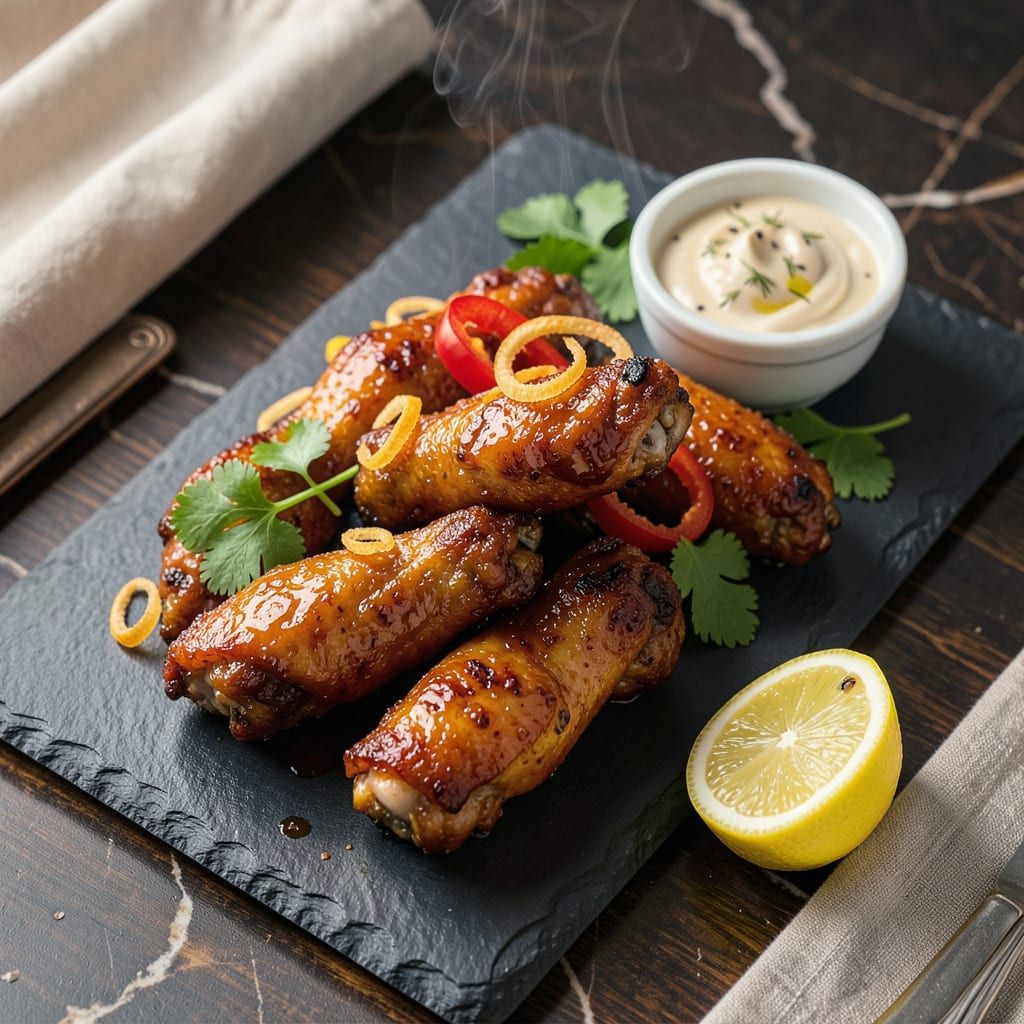
Cooked wings stay fresh in the fridge for 3–4 days when stored properly in airtight containers or sealed bags. For longer storage, freeze them for up to 4 months while maintaining quality and safety.
As a pitmaster who’s dealt with more leftover wings than I can count, I’ve learned that storage isn’t just about time—it’s about moisture control and temperature consistency. The fridge’s cold zone slows bacterial growth, but saucy wings (especially those with dairy-based sauces) can turn faster than dry-rubbed ones. 🔥
For meal preppers, this timeline means you’ve got a solid window for repurposing wings—think chopped into tacos, tossed in salads, or even blended into dips. Just remember: every time you open that container, you’re introducing new bacteria, so minimize exposure and trust your nose if something smells off.
💡 In This Article
- Food Safety Science Behind Storing Cooked Wings
- Best Practices for Reheating and Freezing Leftover Wings
Food Safety Science Behind Storing Cooked Wings
The 3–4 day fridge window isn’t arbitrary—it’s based on how quickly bacteria like Salmonella and Listeria multiply in cooked poultry. These pathogens thrive between 40°F–140°F, doubling every 20 minutes in ideal conditions. Your fridge should maintain 35°F–38°F to slow this growth, but even then, bacteria adapt over time. 🔥
Moisture accelerates spoilage dramatically. Sauced wings (especially creamy buffalo or honey-glazed) create a breeding ground for microbes, while dry-rubbed wings last slightly longer. I’ve tested this myself—wings stored in their cooking juices develop off-flavors faster than those patted dry before refrigeration. The USDA confirms this: liquids transfer bacteria more efficiently than dry surfaces.
Cross-contamination plays a bigger role than most realize. Every time you open the container, you introduce new bacteria from the air and your hands. That’s why I recommend portioning wings into single-serving containers—it limits exposure. Commercial kitchens use this same principle with “date marking” systems to track food safety windows.
Here’s what’s happening at the cellular level: as proteins break down, they release compounds that change both flavor and texture. You’ll first notice a sour aroma (volatile organic compounds), then a slimy film (polysaccharide production by bacteria). These changes happen faster in ground meat products, but whole wings follow similar patterns.
Real-world test: I once compared wings stored in ziplock bags (with air pressed out) versus plastic containers with lids. The bagged wings stayed fresher an extra day because oxygen fuels bacterial growth. This aligns with vacuum-sealing principles used in professional kitchens to extend shelf life by 30-50%. ✨
Temperature fluctuations matter too. Every degree above 40°F cuts safe storage time. That’s why the back of your fridge (coldest zone) beats the door shelf. I use a fridge thermometer to verify—many home fridges run warmer than they should, especially when overloaded.
The 4-month freezer guideline accounts for freezer burn and texture changes. At 0°F, bacterial growth stops, but ice crystals gradually damage cell walls. Wings frozen with sauce fare worse—the sugars and fats separate during thawing, creating that unfortunate “soggy skin” effect we all dread. 💫

Trained in classic French technique but raised on slow-cooked ribs and spicy rubs, she blends culinary skill with smoke and soul.
- Recipe for Boneless Pork Chops in Cast Iron Skillet: Sear and Baste to Juicy Perfection - October 3, 2026
- Recipe for Boneless Cross Rib Roast: Slow-Roasted Beef with Herb Crust - October 3, 2026
- Hamburgers in Sauce Recipe Crock Pot: Slow-Cooked Savory Delight - October 3, 2026