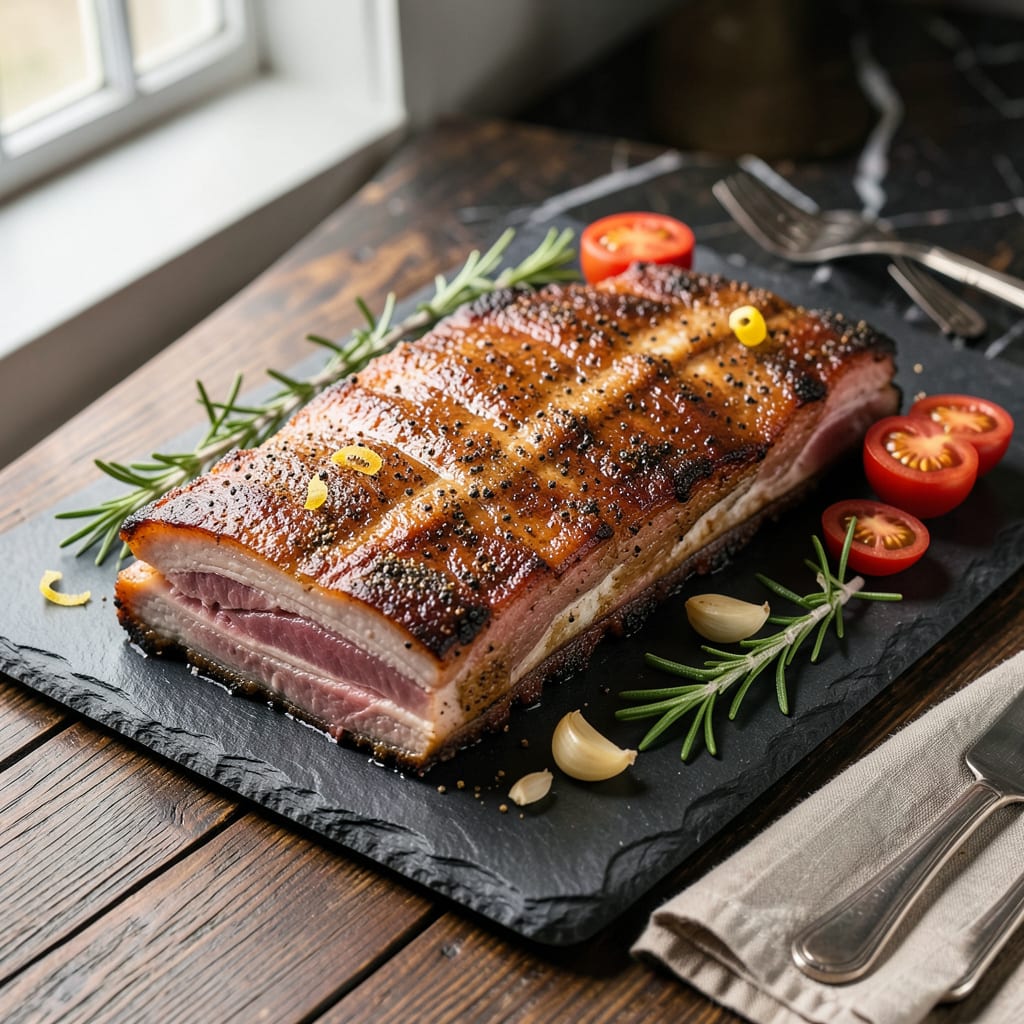
Raw ribs stay fresh in the fridge for 3–5 days when stored properly at 40°F or below. For longer storage, freeze them within this timeframe for up to 6 months while maintaining quality.
I’ve learned through years of handling meat that the clock starts ticking the moment ribs leave the butcher’s counter. 🔥 The 40°F threshold isn’t arbitrary—it’s the temperature where bacterial growth slows dramatically, giving you that critical window. What many don’t realize is that the original packaging often isn’t ideal for long-term fridge storage. Transferring ribs to an airtight container with a paper towel to absorb moisture can add an extra day of freshness in my experience.
Freezing changes the game entirely, but timing matters. 💫 The sooner you freeze after purchase, the better the texture and flavor preservation. I always recommend portioning ribs before freezing—this prevents freezer burn and makes thawing more efficient. Remember that 6 months is the quality mark, not the safety limit; properly frozen ribs can technically last longer, but the taste difference becomes noticeable after that point.
💡 In This Article
- Why Refrigerated Ribs Spoil and How to Spot Bad Meat
- Best Practices for Storing Raw Ribs in the Fridge or Freezer
Why Refrigerated Ribs Spoil and How to Spot Bad Meat
The science behind rib spoilage comes down to bacterial growth rates. Raw meat naturally contains bacteria like Salmonella and E. coli that multiply rapidly between 40°F and 140°F—the “danger zone.” Your fridge should maintain 38-40°F to slow this process, but temperature fluctuations (like opening the door frequently) can accelerate spoilage.
The meat’s surface moisture creates an ideal breeding ground for bacteria, which is why proper wrapping is crucial. 🔥
Visual signs of spoilage appear in stages. Fresh ribs have a bright red or pinkish hue from oxymyoglobin, but this fades to grayish-brown as oxygen exposure breaks down the pigment. A slimy film indicates bacterial colonies forming—this happens when pseudomonas bacteria (common in meat) produce extracellular polymers.
The smell test is most reliable: fresh ribs have a neutral, slightly metallic scent, while spoiled meat develops a sour, ammonia-like odor from bacterial waste products. ✨
Packaging dramatically affects shelf life. Original butcher paper allows airflow that dries the surface, while vacuum-sealed packages create an anaerobic environment that slows bacterial growth but can encourage different spoilage organisms. I’ve found that re-wrapping in parchment paper before placing in an airtight container balances moisture retention and oxygen control.
The paper absorbs excess liquid while the sealed container prevents cross-contamination from other fridge items. 💫
Time isn’t the only factor—enzyme activity continues even in refrigeration. Proteases naturally present in meat break down proteins, making ribs mushy if stored too long. This enzymatic action is why previously frozen ribs sometimes feel softer after thawing.
The 3-5 day window accounts for both bacterial growth and enzymatic degradation, giving you the optimal balance between safety and texture preservation. ⚡
Consider these key spoilage indicators:
- Color: Grayish-brown instead of pink/red (after initial bloom fades)
- Texture: Sticky or slimy surface when touched
- Smell: Sour, putrid, or ammonia-like aromas
- Package: Excess liquid accumulation or swollen vacuum seals
What most people miss is that the 40°F mark isn’t just about preventing bacterial growth—it also slows lipid oxidation that causes rancidity. The fats in rib meat contain unsaturated fatty acids that break down when exposed to oxygen, creating off-flavors.
This is why properly wrapped ribs maintain their rich, meaty flavor longer than those left exposed to air. 🌟

Trained in classic French technique but raised on slow-cooked ribs and spicy rubs, she blends culinary skill with smoke and soul.
- Recipe for Boneless Pork Chops in Cast Iron Skillet: Sear and Baste to Juicy Perfection - October 3, 2026
- Recipe for Boneless Cross Rib Roast: Slow-Roasted Beef with Herb Crust - October 3, 2026
- Hamburgers in Sauce Recipe Crock Pot: Slow-Cooked Savory Delight - October 3, 2026