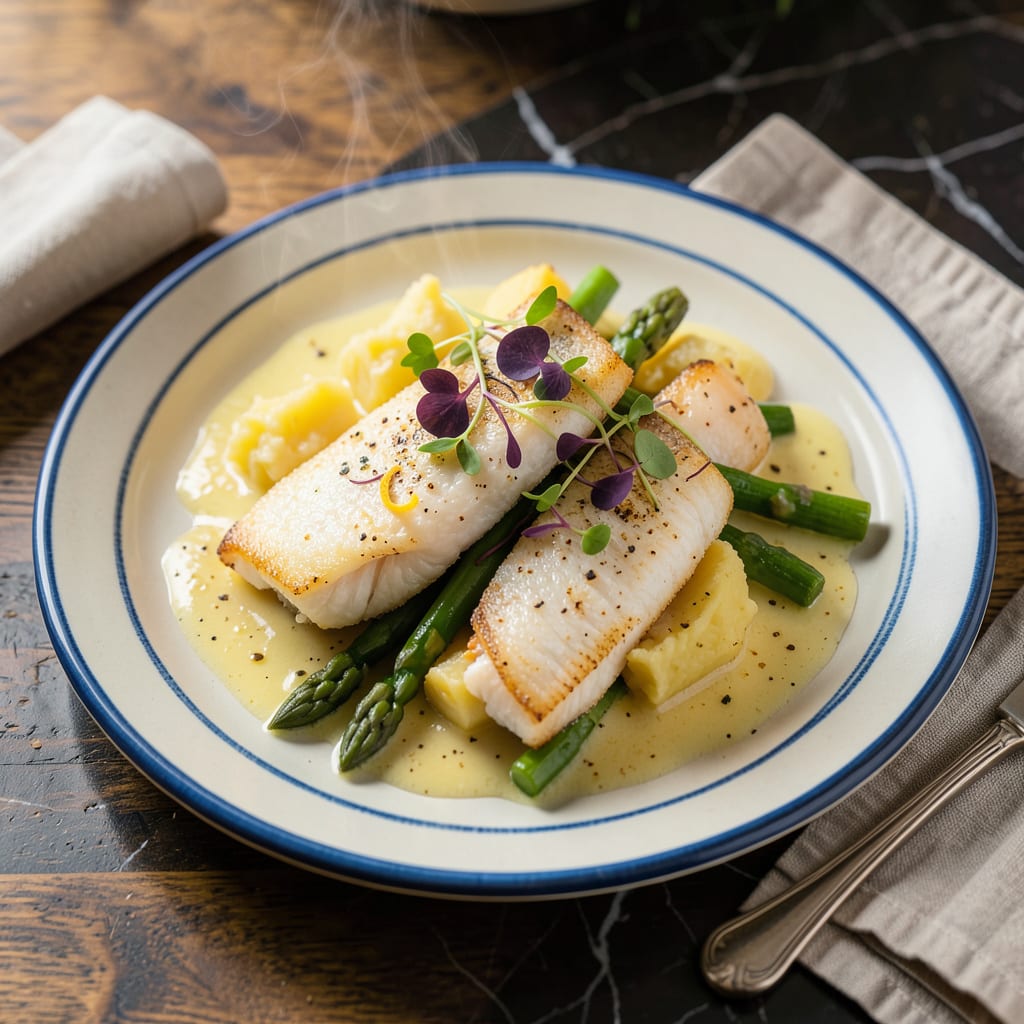
Fresh catfish fillets typically take 8-12 minutes to boil, while whole catfish may require 15-20 minutes. The fish is done when it flakes easily with a fork and reaches an internal temperature of 145°F.
Timing makes all the difference between rubbery and melt-in-your-mouth results. 🔥 I’ve found that fillets cook faster because they’re fully exposed to the boiling liquid, while whole fish need extra time for heat to penetrate the center. The magic happens at 145°F—that’s when the proteins tighten just enough to create those perfect, tender flakes without drying out. Always use a meat thermometer for accuracy, especially if you’re working with thicker cuts or bone-in pieces.
💡 In This Article
- Factors That Affect Catfish Boiling Time
- Step-by-Step Guide for Boiling Catfish Perfectly
Factors That Affect Catfish Boiling Time
The thickness of your catfish pieces is the biggest game-changer. A 1-inch fillet will cook through in about 8-10 minutes, while a 2-inch steak might need 12-15 minutes. This happens because heat needs to travel through the entire piece—thicker cuts create more resistance.
The science here involves protein denaturation: catfish proteins begin tightening at 120°F but fully set at 145°F, which is why we use that as our doneness target. 🔥
Whole catfish present a different challenge entirely. The bones and central spine act as heat conductors, but they also insulate the thickest parts near the head and tail. A 2-pound whole catfish typically needs 15-18 minutes in rolling boiling water, while a 4-pounder can take up to 20-25 minutes.
Altitude plays a sneaky role too—water boils at 208°F at 5,000 feet elevation, which means cooking times increase by about 20% compared to sea level. ✨
Bone-in versus boneless makes a surprising difference. Bones conduct heat faster than flesh, so bone-in pieces actually cook more evenly but may take 1-2 minutes longer overall. The connective tissues around bones also break down at slightly higher temperatures (150-155°F), which is why you’ll sometimes see recommendations to simmer rather than boil for bone-in cuts.
This gentle approach prevents the meat from pulling away from the bones prematurely. 💫
Your starting water temperature matters more than you think. Beginning with cold water (fish added to cold, then brought to boil) gives you more control and even cooking, but adds 3-5 minutes to total time.
Dropping fillets into already-boiling water cooks the exterior faster, which can lead to a 1-2 minute time reduction but risks uneven doneness. I always recommend the cold start method for whole fish to prevent the outside from overcooking before the center reaches temperature. ⚡
Here’s what most home cooks miss: the water-to-fish ratio dramatically affects timing. Too little water (less than 1 quart per pound) causes temperature fluctuations when adding fish, leading to inconsistent cooking. Too much water (over 2 quarts per pound) dilutes your seasonings and requires more energy to maintain a true boil.
The sweet spot is 1.5 quarts water per pound of catfish—this maintains a steady 212°F boil while allowing proper circulation around the fish. 🌟
Don’t overlook the impact of acidity in your boiling liquid. Adding 1/4 cup vinegar or lemon juice per gallon of water lowers the pH, which actually speeds up protein denaturation. This can shave about 1 minute off your cooking time while also helping to firm up the flesh.
However, too much acid (over 1/2 cup per gallon) can make the fish tough by causing proteins to contract too aggressively before they’ve fully cooked through. 💛
The final wild card? Your pot material. Thin aluminum pots heat and cool quickly, which can cause temperature swings when adding fish. A heavy stainless steel or enameled cast iron pot maintains steadier heat, giving you more consistent results.
I’ve found that using a pot with a tight-fitting lid (left slightly ajar) reduces cooking time by about 10% by maintaining higher humidity in the cooking environment. This is particularly helpful for whole fish where you want to preserve moisture in the thicker sections. 💫

Trained in classic French technique but raised on slow-cooked ribs and spicy rubs, she blends culinary skill with smoke and soul.
- Recipe for Boneless Pork Chops in Cast Iron Skillet: Sear and Baste to Juicy Perfection - October 3, 2026
- Recipe for Boneless Cross Rib Roast: Slow-Roasted Beef with Herb Crust - October 3, 2026
- Hamburgers in Sauce Recipe Crock Pot: Slow-Cooked Savory Delight - October 3, 2026