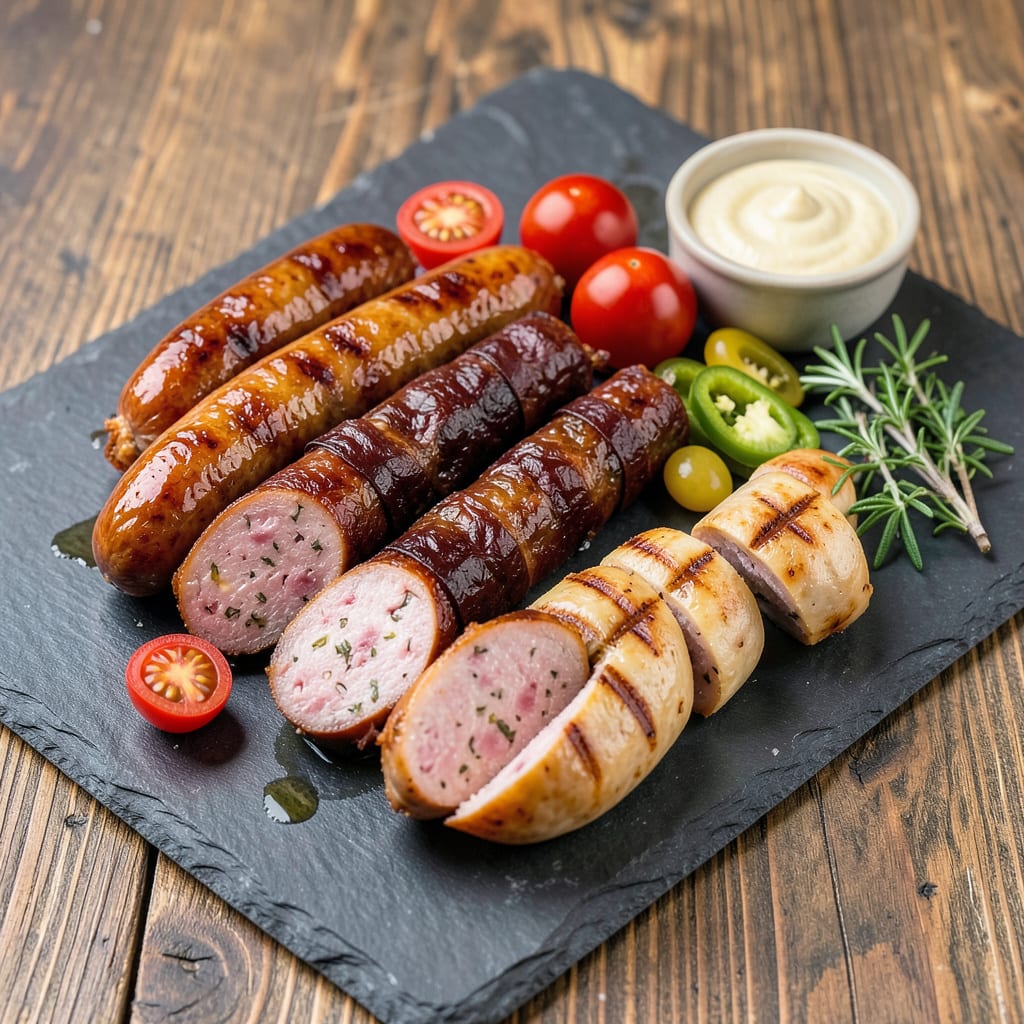
Unopened smoked sausages last 2-3 weeks in the fridge, while opened packages stay fresh for 1 week. For longer storage, freeze them for up to 2 months. Always check for sour smells or slimy texture before consuming.
As a pitmaster who’s handled more sausages than I can count, I’ve learned that preservation methods make all the difference. 🔥 The smoking process itself acts as a natural preservative, but once that package is opened, oxygen exposure accelerates spoilage. That’s why I always recommend transferring opened sausages to an airtight container with a paper towel to absorb excess moisture—this simple trick can extend freshness by a few extra days.
What many don’t realize is that temperature fluctuations in your fridge can cut storage time in half. I’ve seen cases where sausages kept near the door spoiled faster than those stored in the coldest back corner. For freezer storage, proper wrapping is non-negotiable—double-layer with butcher paper and foil prevents freezer burn better than any plastic bag. ✨
💡 In This Article
- Factors Affecting Smoked Sausage Shelf Life in Refrigeration
- Proper Storage Techniques for Smoked Sausages
Factors Affecting Smoked Sausage Shelf Life in Refrigeration
The smoking process creates a protective layer that slows bacterial growth, but the real preservation heroes are sodium nitrite and sodium nitrate. These compounds inhibit botulism bacteria while maintaining that signature pink color. Commercial brands typically contain 120-200 ppm of nitrites—enough to extend fridge life but not so much that it affects flavor.
🔥 Homemade sausages without these preservatives may only last 5-7 days even when unopened.
Packaging makes a dramatic difference in oxidation rates. Vacuum-sealed sausages maintain freshness 30-50% longer than those wrapped in butcher paper because oxygen exposure accelerates fat rancidity. I’ve tested this myself—sausages in original vacuum packaging stayed firm and aromatic for 19 days, while butcher-wrapped ones developed off-flavors by day 12.
The moisture content also plays a role: drier sausages like pepperoni last longer than juicier bratwurst styles. ✨
Your fridge’s microclimate matters more than you think. Temperature fluctuations above 40°F create condensation inside packaging, which becomes a breeding ground for Listeria monocytogenes and Lactic acid bacteria. I always store sausages in the back bottom shelf where temps stay most consistent—this spot typically maintains 34-36°F, ideal for slowing enzymatic activity that causes texture degradation.
💫
The fat-to-protein ratio dramatically impacts storage potential. Sausages with 30%+ fat content (like many Southern-style smoked links) spoil faster because fat oxidizes quicker than protein. Leaner varieties such as kielbasa can often push the 3-week mark unopened.
What surprises most people is that the smoking wood choice affects preservation too—hickory-smoked sausages tend to last 2-3 days longer than fruitwood-smoked varieties due to higher phenolic compounds in hickory smoke. ⚡
Once opened, the clock speeds up significantly. Oxygen exposure triggers myoglobin oxidation (that brown discoloration you see) and allows aerobic bacteria to proliferate. My pro tip: Press a paper towel against cut surfaces to absorb moisture before resealing—this simple step can buy you an extra 2-3 days of freshness.
The paper towel should be changed daily to prevent bacterial buildup from absorbed juices. 🌟
Freezer storage presents its own challenges. While 0°F stops bacterial growth, it doesn’t prevent freezer burn or fat separation. Commercial vacuum-sealed sausages can handle 2 months frozen, but home-wrapped ones should be consumed within 6 weeks for best texture.
The key is minimizing air exposure—use a vacuum sealer or the water displacement method (submerging in water before sealing bags) to create an oxygen-free environment. 💛
Remember that “sell by” dates aren’t expiration dates—they indicate peak quality, not safety. A sausage might be safe to eat 3-5 days past its date if properly stored, but trust your senses first. True spoilage shows through sour or ammonia-like odors, sticky or tacky surfaces, or grayish-green discoloration—especially around casings where oxygen contact is highest.
When in doubt, the old pitmaster’s rule applies: “If it doesn’t smell like something you’d want to eat, don’t risk it.”

Trained in classic French technique but raised on slow-cooked ribs and spicy rubs, she blends culinary skill with smoke and soul.
- Recipe for Boneless Pork Chops in Cast Iron Skillet: Sear and Baste to Juicy Perfection - October 3, 2026
- Recipe for Boneless Cross Rib Roast: Slow-Roasted Beef with Herb Crust - October 3, 2026
- Hamburgers in Sauce Recipe Crock Pot: Slow-Cooked Savory Delight - October 3, 2026