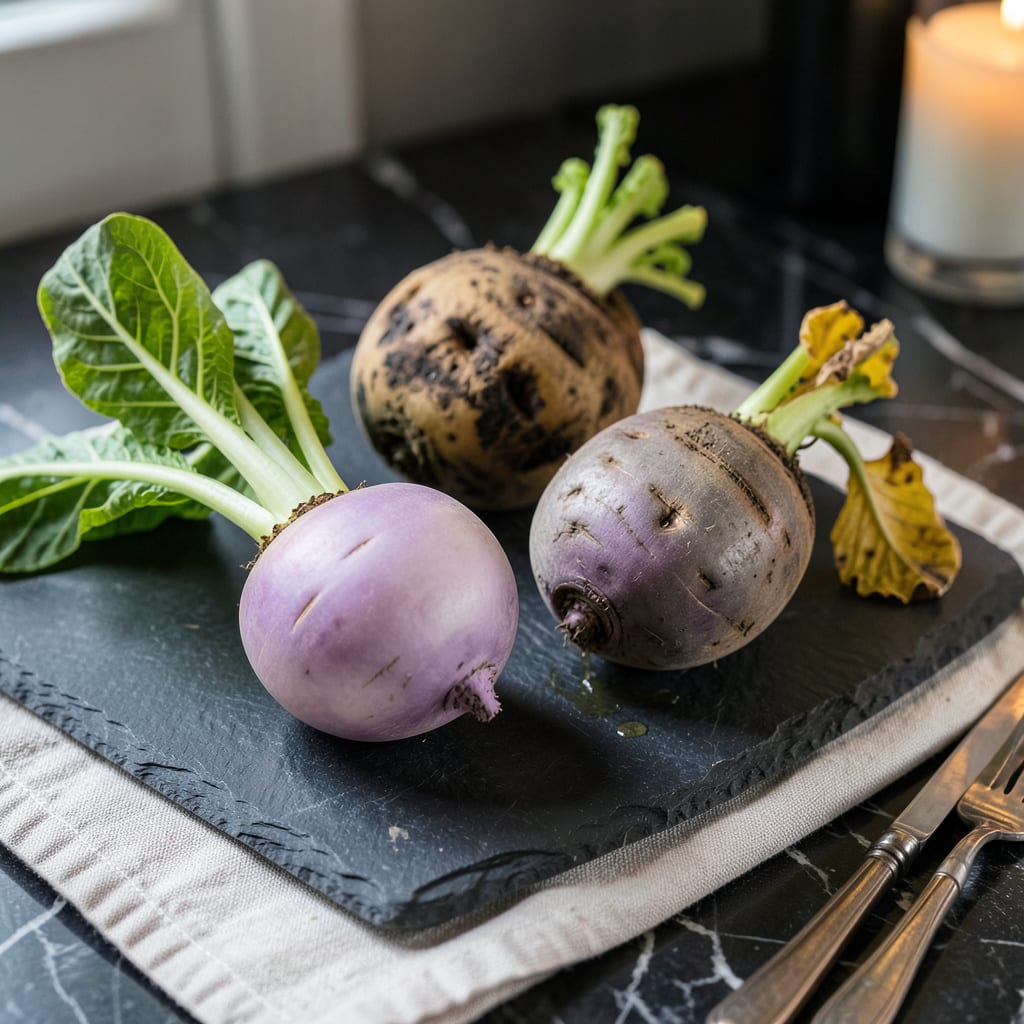
A bad turnip will feel soft or mushy, develop dark spots or mold, and emit a sour or unpleasant odor. Fresh turnips should be firm, smooth, and have a mild, earthy smell.
I’ve learned through experience that turnips—like many root vegetables—give clear warning signs before they go completely bad. The texture change is often the first red flag: what should feel dense and crisp becomes spongy or even slimy to the touch. This happens because the cell walls break down as bacteria multiply. 🔥
Another telltale sign is the smell transformation. Fresh turnips have that clean, slightly sweet aroma that reminds me of freshly turned soil. But once spoilage sets in, that scent shifts dramatically—becoming sharp, fermented, or even ammonia-like. This odor change signals microbial activity that’s not just unappetizing but potentially harmful.
💡 In This Article
- Visual and Physical Signs of Spoiled Turnips
- Storing Turnips to Extend Freshness and Prevent Spoilage
Visual and Physical Signs of Spoiled Turnips
The first visible red flag is surface discoloration. Fresh turnips have a uniform cream-to-purple hue depending on variety, but spoiling ones develop grayish-black spots that spread over time. These dark patches indicate oxidation and microbial growth—particularly Clostridium bacteria which thrive in low-oxygen environments like bruised vegetable tissue.
The spots often start where moisture collects, so check the stem end and any crevices first. ✨
Texture changes reveal cellular breakdown. A fresh turnip’s flesh should resist gentle pressure like a firm apple, but spoiling ones develop soft spots that yield under fingertip pressure. Advanced spoilage creates a slimy film—this is bacterial biofilm formation, where colonies secrete polysaccharides that create that unmistakable slick coating.
I’ve found this slime appears fastest in cut turnips exposed to air, sometimes within 24-48 hours of cutting. 🔥
Mold appears in three distinct patterns on turnips. White fuzzy mold (Penicillium species) grows in high-humidity conditions, while black pinprick dots signal Alternaria fungus common in stored roots. The most dangerous is greenish-blue mold that penetrates deep—this indicates Aspergillus contamination which can produce toxins.
Always discard moldy turnips, as the visible growth represents just 10% of the actual contamination. ⚡
The stem end tells its own story. When the top where greens were attached turns black and shriveled, it means moisture loss has accelerated spoilage throughout. This “stem-end rot” often precedes internal softening by 3-5 days.
Compare this to the root end—if both ends show discoloration, the entire vegetable has likely been compromised from the inside out. 💫
Cut turnips spoil differently than whole ones. Exposed surfaces develop a grayish cast within hours due to enzymatic browning (the same process that turns apples brown). This isn’t dangerous but indicates quality decline.
The real concern is when cut surfaces become translucent or develop water-soaked areas—this means cell membranes have ruptured, creating perfect conditions for bacterial invasion. 🌟
Size matters in spoilage detection. Smaller turnips (under 3 inches diameter) show signs faster because their higher surface-area-to-volume ratio accelerates moisture loss. Larger specimens may appear fine externally while harboring soft spots internally. I always recommend halving bigger turnips to check the center—any dark streaking or hollow cavities mean the vegetable has passed its prime.
💛
Temperature abuse speeds all these processes. Turnips left at room temperature develop soft spots 3 times faster than refrigerated ones. The ideal storage range is 32-40°F with 90-95% humidity—conditions that slow both microbial growth and moisture loss. Even in perfect storage, most turnips last only 2-3 weeks before quality declines become noticeable. ✨

Trained in classic French technique but raised on slow-cooked ribs and spicy rubs, she blends culinary skill with smoke and soul.
- Recipe for Boneless Pork Chops in Cast Iron Skillet: Sear and Baste to Juicy Perfection - October 3, 2026
- Recipe for Boneless Cross Rib Roast: Slow-Roasted Beef with Herb Crust - October 3, 2026
- Hamburgers in Sauce Recipe Crock Pot: Slow-Cooked Savory Delight - October 3, 2026