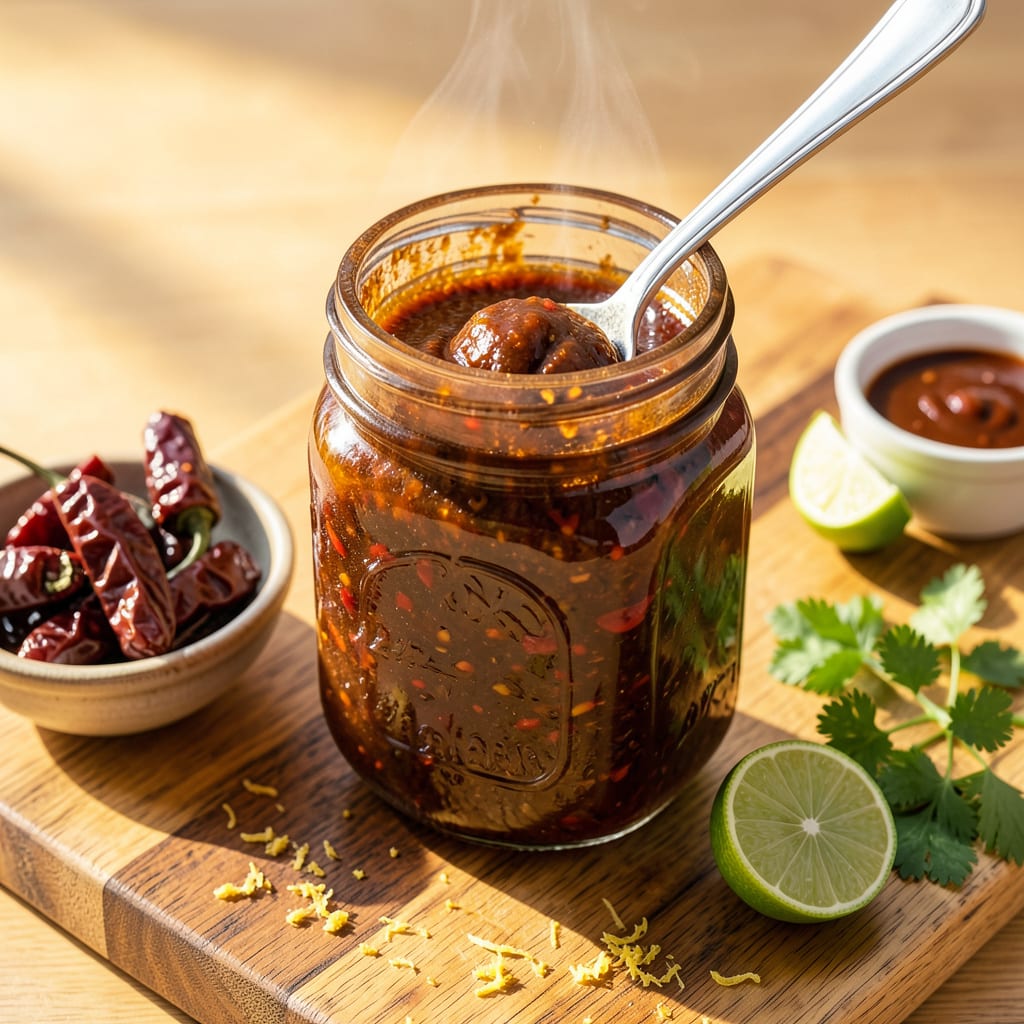
Homemade chipotle sauce typically lasts 5-7 days in the fridge when stored in an airtight container. Store-bought unopened bottles can last up to 6 months, while opened commercial versions usually stay fresh for 1-2 months refrigerated.
As a pitmaster who relies on bold flavors, I’ve learned that freshness timelines depend heavily on your ingredients. 🔥 Dairy-based sauces (like those with mayo or sour cream) tend to spoil faster than oil/vinegar-based versions. Commercial brands stretch their shelf life with preservatives like sodium benzoate, but even those degrade once opened. The real game-changer? Oxygen exposure—every time you dip in, you’re inviting bacteria to the party. That’s why I always transfer my homemade batches to small glass jars, filling them to the brim to minimize air gaps.
💡 In This Article
- Factors That Affect Chipotle Sauce Shelf Life
- Proper Storage and Spoilage Signs for Chipotle Sauce
Factors That Affect Chipotle Sauce Shelf Life
The base ingredients make all the difference in how long your sauce stays fresh. Dairy-based versions (with mayo, sour cream, or yogurt) typically last 3-5 days because proteins and fats spoil quickly. Oil-and-vinegar bases can stretch to 7-10 days since acidity acts as a natural preservative.
I’ve tested this myself—my lime-heavy chipotle crema turns faster than my vinegar-based adobo sauce every time. 🔥
Commercial brands use preservatives like potassium sorbate or sodium benzoate to extend shelf life. These compounds inhibit mold and yeast growth, allowing unopened bottles to last 6-12 months at room temperature. Once opened, the clock starts ticking faster because oxygen triggers oxidation.
Even with preservatives, opened commercial sauces rarely exceed 2 months refrigerated—the preservatives degrade with each exposure to air.
Acidity levels play a crucial role in preservation. Sauces with pH below 4.6 (like those heavy on lime juice or vinegar) create an environment where most bacteria can’t survive. My go-to ratio is 1 part acid to 3 parts base—this keeps the pH low enough to inhibit microbial growth while maintaining that perfect smoky-sweet balance.
Temperature fluctuations also matter: every time your fridge door opens, condensation forms inside containers, accelerating spoilage.
Here’s what most people overlook: container material affects freshness. Glass preserves flavor better than plastic because it’s non-porous and doesn’t absorb odors. I always use amber glass jars to block light, which degrades the chipotle peppers’ smoky compounds over time.
Even the fridge location matters—door shelves experience more temperature swings than the back of the main compartment, where I store all my sauces.
The smokiness itself comes from chipotle peppers (smoke-dried jalapeños), which contain natural antimicrobial compounds. These help extend shelf life slightly, but they’re no match for improper storage. I’ve noticed that sauces with fresh garlic or onions spoil faster because their high water content creates a breeding ground for bacteria.
That’s why I always sauté my aromatics first—it reduces moisture content and concentrates flavors.
For maximum freshness, consider the “2-hour rule” I learned in culinary school: any sauce left at room temperature for more than 2 hours should be discarded. This applies to picnic spreads or buffet setups where chipotle sauce might sit out.
The danger zone between 40°F and 140°F allows bacterial growth to double every 20 minutes—something to remember when transporting sauces to potlucks! ✨
Pro tip: If you’re making large batches, divide the sauce into small containers before refrigerating. This minimizes air exposure each time you use some, effectively resetting the freshness clock for the unused portions. I use 4-ounce mason jars for this—they’re the perfect single-meal size and create an excellent seal.

Trained in classic French technique but raised on slow-cooked ribs and spicy rubs, she blends culinary skill with smoke and soul.
- Recipe for Boneless Pork Chops in Cast Iron Skillet: Sear and Baste to Juicy Perfection - October 3, 2026
- Recipe for Boneless Cross Rib Roast: Slow-Roasted Beef with Herb Crust - October 3, 2026
- Hamburgers in Sauce Recipe Crock Pot: Slow-Cooked Savory Delight - October 3, 2026