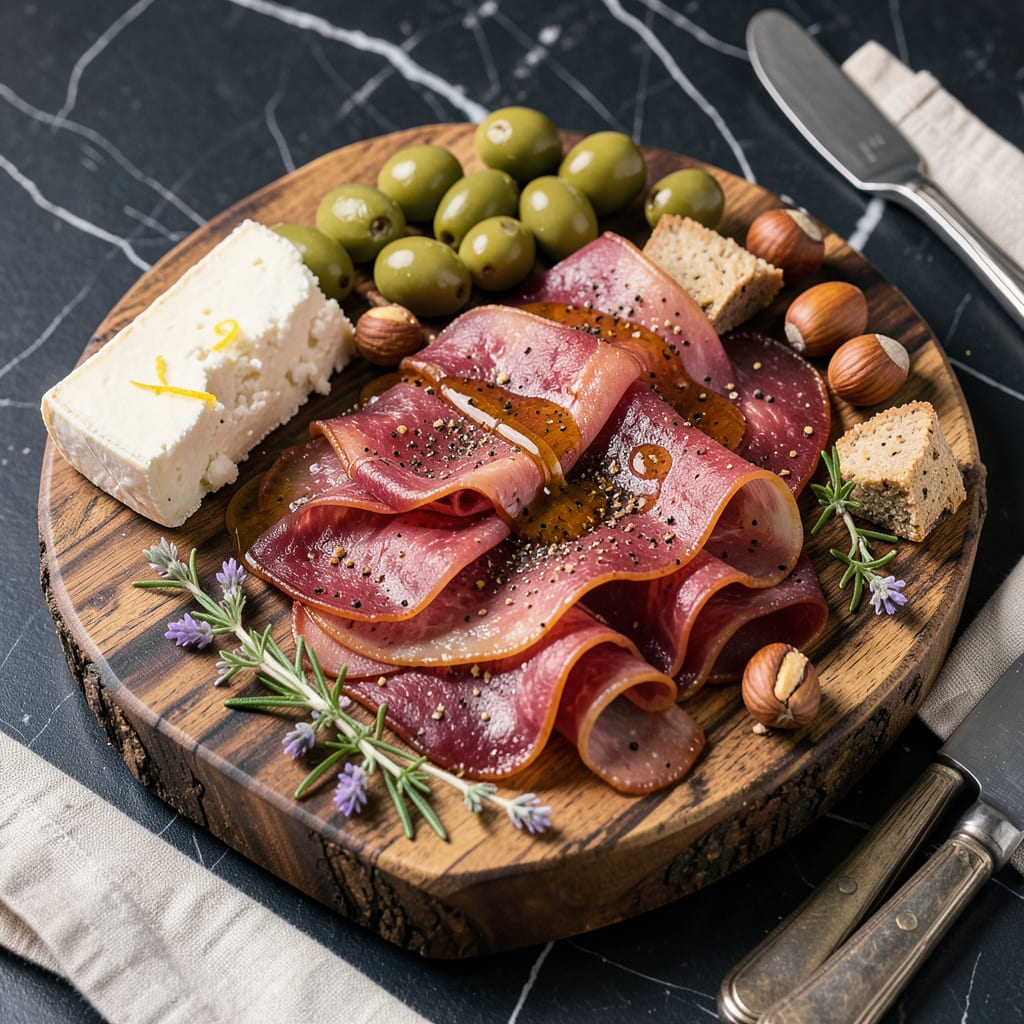
Unopened guanciale lasts 6-12 months in the pantry, while opened packages stay fresh for 3-4 weeks refrigerated. For longer storage, freeze it for up to 6 months without losing quality.
This cured pork cheek’s remarkable shelf life comes from its traditional salt-curing process, which draws out moisture and creates an inhospitable environment for bacteria. 🔥 I’ve found that the fat content also plays a protective role—acting like a natural sealant when properly stored. What surprises many home cooks is how well guanciale maintains its rich, nutty flavor even after months in the freezer, though I always recommend vacuum-sealing for optimal texture preservation.
💡 In This Article
- Factors Affecting Guanciale’s Shelf Life and Freshness
- Best Storage Methods for Guanciale at Home
Factors Affecting Guanciale’s Shelf Life and Freshness
The secret to guanciale’s impressive longevity lies in its traditional curing process. This Italian delicacy undergoes a minimum 3-month salt cure followed by air-drying, which reduces moisture content to below 30%—creating an environment where bacteria simply can’t thrive.
The high fat content (about 50-60%) acts as a natural preservative, forming a protective barrier that seals in freshness while keeping oxygen out. 🔥
Temperature and humidity play critical roles in preservation. Ideal pantry storage sits between 50-60°F with 60-70% humidity—conditions that mimic traditional Italian curing cellars. When refrigerated, the cooler 35-40°F environment slows down any potential fat oxidation, though too much cold can make the fat brittle.
I’ve noticed that fluctuations above 70°F accelerate rancidity, while humidity below 50% causes excessive drying and texture changes. ✨
The packaging makes all the difference after opening. Whole muscle cuts stay fresher longer than pre-sliced versions because less surface area is exposed to air. Oxygen is the enemy here—it breaks down fats through oxidation, creating off-flavors. That’s why professional charcuterie operations use nitrogen-flushed packaging.
At home, I recommend wrapping tightly in parchment paper first (to absorb moisture), then sealing in a ziplock bag with all air pressed out. 💫
Watch for these spoilage signs: a sour or ammonia-like odor indicates bacterial growth, while a sticky surface suggests mold development. The fat should remain firm and white—any yellowing or softness means the fats have started breaking down.
Interestingly, a thin white mold (like on aged cheeses) is actually beneficial and can be wiped off, but colorful molds mean it’s time to discard. The curing spices should still smell vibrant—dull aromas signal flavor degradation. ⚡
What many don’t realize is that guanciale continues to develop flavor during storage. The curing spices (typically black pepper, sometimes chili) mellow and integrate deeper into the meat over time. I’ve tasted 12-month-old guanciale that had developed richer umami notes compared to fresher batches.
This aging process is why some Italian producers actually recommend waiting 2-3 months after purchase before using for pasta carbonara—the flavors become more complex. 🌟
The fat-to-meat ratio affects storage differently than you might expect. Leaner pieces dry out faster but resist rancidity longer, while fattier sections stay moist but can develop off-flavors quicker if not properly wrapped.
This is why I always store guanciale in 1-inch thick slices—thinner slices oxidize faster, while whole pieces take too long to portion when needed. The ideal balance maintains quality while maximizing convenience. 💛
For those who forage like I do, here’s a pro tip: wrap your guanciale in beeswax paper before refrigerating. The natural antimicrobial properties of beeswax extend freshness by about 25% compared to plastic wrap, plus it’s more sustainable. Just be sure to replace the wrapping every 5-7 days to prevent moisture buildup.
This method has saved many a precious piece of guanciale in my kitchen! 💫

Trained in classic French technique but raised on slow-cooked ribs and spicy rubs, she blends culinary skill with smoke and soul.
- Recipe for Boneless Pork Chops in Cast Iron Skillet: Sear and Baste to Juicy Perfection - October 3, 2026
- Recipe for Boneless Cross Rib Roast: Slow-Roasted Beef with Herb Crust - October 3, 2026
- Hamburgers in Sauce Recipe Crock Pot: Slow-Cooked Savory Delight - October 3, 2026