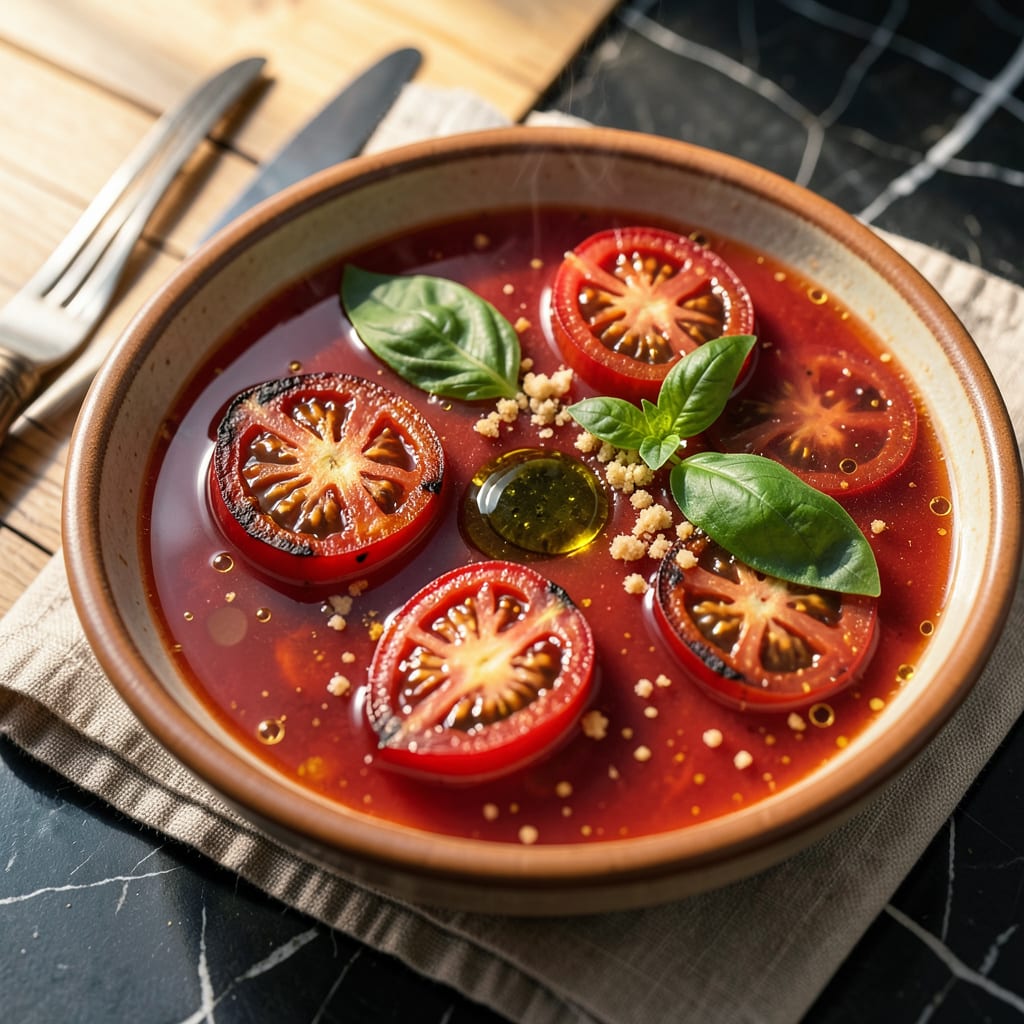
Tomato bouillon is a flavorful broth made from tomatoes, herbs, and spices, often used as a base for soups, stews, and sauces. It delivers a rich, tangy depth that enhances Mexican and Latin American dishes.
This isn’t just any broth—it’s the secret weapon in my kitchen for building layers of umami. 🔥 The magic happens when ripe tomatoes meet aromatic spices like cumin and garlic, creating a concentrated flavor base that transforms simple dishes. I’ve used it to rescue bland beans, elevate rice, and even add complexity to marinades. What sets it apart is its versatility: a single cube can replace multiple seasonings while keeping that authentic, sun-ripened tomato essence.
💡 In This Article
- How Tomato Bouillon Gets Its Signature Flavor
- Creative Ways to Use Tomato Bouillon in Cooking
How Tomato Bouillon Gets Its Signature Flavor
This isn’t just tomato water—it’s a carefully balanced symphony of ingredients that work together through both science and tradition. The foundation starts with ripe tomatoes (preferably Roma or vine-ripened) that are slow-cooked to break down their cell walls, releasing natural glutamates that create that deep umami punch.
When tomatoes hit 212°F during simmering, their lycopene becomes more bioavailable while their natural acids soften, creating a richer base than raw tomato could ever provide. 🔥
The real magic happens when aromatic vegetables join the party. A classic sofrito of onions, garlic, and cilantro stems gets sweated in oil until the onions’ natural sugars caramelize at about 320°F, developing complex Maillard reaction flavors.
Cumin seeds toasted to a deep brown (300°F for 2-3 minutes) release their essential oils, while Mexican oregano adds earthy notes that differ from Mediterranean varieties. Commercial versions like Knorr amplify this with MSG and dehydrated vegetables, but homemade lets you control the salt level (typically 1-2 teaspoons per quart).
What separates great tomato bouillon is the layering technique. Traditional Mexican cooks build flavor in stages: first charring the tomatoes and onions on a comal to add smoky depth, then blooming spices in hot oil before adding liquids. This method creates a final product with 3-4 times more flavor compounds than simply boiling everything together.
The difference is noticeable—homemade versions taste brighter and more dimensional, while commercial cubes offer convenience with a more standardized (but saltier) profile. ✨
Here’s what most people miss about the texture: Proper tomato bouillon should coat the back of a spoon when reduced by about 30%. This viscosity comes from the tomatoes’ natural pectin breaking down during long simmering (typically 45-60 minutes).
Straining through cheesecloth removes solids but keeps the emulsified oils from the spices, giving it that silky mouthfeel. Compare this to chicken bouillon, which relies more on collagen for body—tomato bouillon’s richness comes purely from vegetable sources and spice infusions.
The finishing touch often involves a splash of acid—either lime juice or vinegar—which brightens all the flavors while helping preserve the bouillon. This acid addition (about 1 tablespoon per quart) also helps stabilize the color, preventing the dull brownish hue that develops when tomato-based products oxidize.
When stored properly in airtight containers, homemade bouillon keeps its vibrant flavor for up to 5 days refrigerated or 3 months frozen. 💫
Pro tip from my kitchen: For extra depth, add a parmesan rind during simmering. The rind’s umami compounds dissolve into the broth, creating a hybrid Italian-Mexican flavor profile that works beautifully in fusion dishes. This is the kind of chef’s trick that turns good bouillon into something restaurant-quality—without adding any artificial enhancers.

Trained in classic French technique but raised on slow-cooked ribs and spicy rubs, she blends culinary skill with smoke and soul.
- Recipe for Boneless Pork Chops in Cast Iron Skillet: Sear and Baste to Juicy Perfection - October 3, 2026
- Recipe for Boneless Cross Rib Roast: Slow-Roasted Beef with Herb Crust - October 3, 2026
- Hamburgers in Sauce Recipe Crock Pot: Slow-Cooked Savory Delight - October 3, 2026