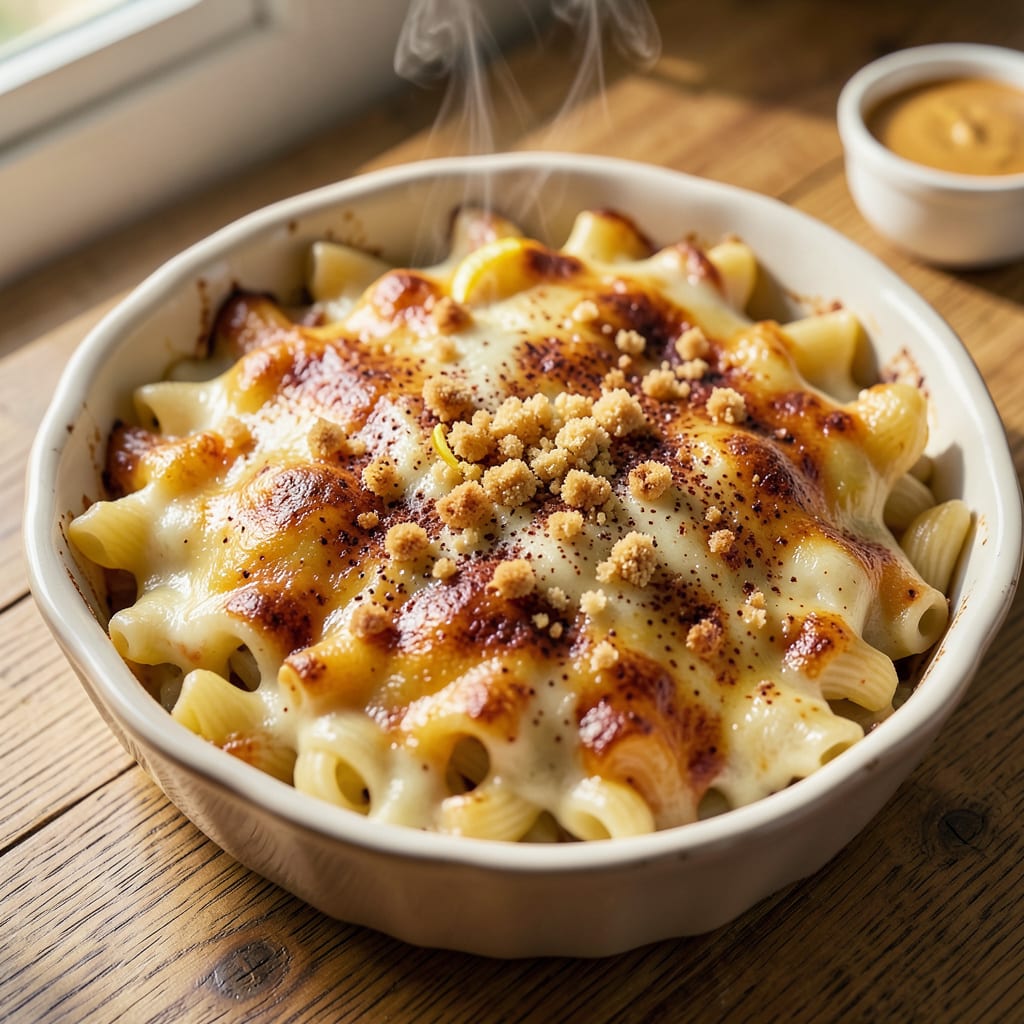
Properly stored macaroni and cheese lasts 3-5 days in the refrigerator when kept in an airtight container. Homemade versions may spoil faster than store-bought due to fewer preservatives. Always check for sour smells or mold before eating.
I’ve learned through years of cooking that dairy-based dishes like this are particularly vulnerable to bacterial growth. The creaminess we love comes from ingredients like milk and cheese that create an ideal environment for spoilage when not handled properly. 🔥 What many don’t realize is that temperature fluctuations—like leaving it out too long before refrigerating—can cut that storage window in half. That’s why I always recommend dividing large batches into shallow containers to cool faster and more evenly.
💡 In This Article
- Factors Affecting Mac and Cheese Refrigerator Shelf Life
- Best Practices for Storing Leftover Macaroni and Cheese
Factors Affecting Mac and Cheese Refrigerator Shelf Life
The dairy content in macaroni and cheese is the primary factor determining how quickly it spoils. Milk, cream, and cheese all contain proteins and fats that bacteria love to consume. Homemade versions typically use fresh dairy with no preservatives, while store-bought often contains sodium phosphate or calcium chloride to extend shelf life.
These preservatives inhibit bacterial growth by maintaining a more stable pH environment in the food.
Temperature consistency makes a dramatic difference in storage time. Every hour your mac and cheese sits between 40°F and 140°F (the “danger zone”) allows bacteria to double in number.
This is why cooling it rapidly is crucial—I recommend dividing large batches into shallow containers (2 inches deep or less) so they reach 40°F within 2 hours. Glass containers conduct cold better than plastic, helping maintain that safe temperature more consistently.
The preparation method significantly impacts longevity. Baked mac and cheese with a breadcrumb topping tends to last slightly longer than stovetop versions because the baking process creates a drier surface environment that’s less hospitable to bacteria.
I’ve noticed that versions with processed cheese sauces (like Velveeta) maintain quality for 4-5 days, while all-natural cheddar sauces start separating after 3 days. The emulsifiers in processed cheese help maintain texture during storage.
Container type and storage location matter more than most realize. Airtight containers prevent moisture loss and oxidation that can make the dish grainy. I always press plastic wrap directly against the surface before sealing the container to eliminate air pockets.
The back of the fridge (where temperatures are most consistent) is ideal—door shelves experience more temperature fluctuations with each opening. For maximum freshness, store at 38-40°F and avoid placing near ethylene-producing fruits like apples.
Here’s what’s actually happening at the microbial level: Lactobacillus and Pseudomonas bacteria are the primary culprits in dairy spoilage. They break down lactose into lactic acid, creating that characteristic sour smell. Mold growth typically appears first at the surface where oxygen is available.
The higher fat content in your recipe, the faster these processes occur—this is why extra creamy versions may only last 3 days while standard recipes can push 5 days. ✨
pH levels play a surprising role too. Cheese sauces with higher acidity (like those using sharp cheddar) spoil slightly faster because the lower pH creates an environment where certain bacteria thrive. Adding a pinch of baking soda to your sauce can help neutralize this effect.
I’ve found that mac and cheese with a final pH of 5.5-6.0 maintains quality longest, while versions below 5.0 tend to separate and develop off-flavors more quickly.
The reheating process can also affect subsequent storage. Each time you heat and cool the dish, you’re essentially giving bacteria another opportunity to multiply during the cooling phase. That’s why I recommend portioning leftovers before refrigerating—so you only reheat what you’ll eat immediately.
Microwaving to 165°F kills most bacteria, but won’t reverse texture changes from previous storage cycles. 🔥

Trained in classic French technique but raised on slow-cooked ribs and spicy rubs, she blends culinary skill with smoke and soul.
- Recipe for Boneless Pork Chops in Cast Iron Skillet: Sear and Baste to Juicy Perfection - October 3, 2026
- Recipe for Boneless Cross Rib Roast: Slow-Roasted Beef with Herb Crust - October 3, 2026
- Hamburgers in Sauce Recipe Crock Pot: Slow-Cooked Savory Delight - October 3, 2026