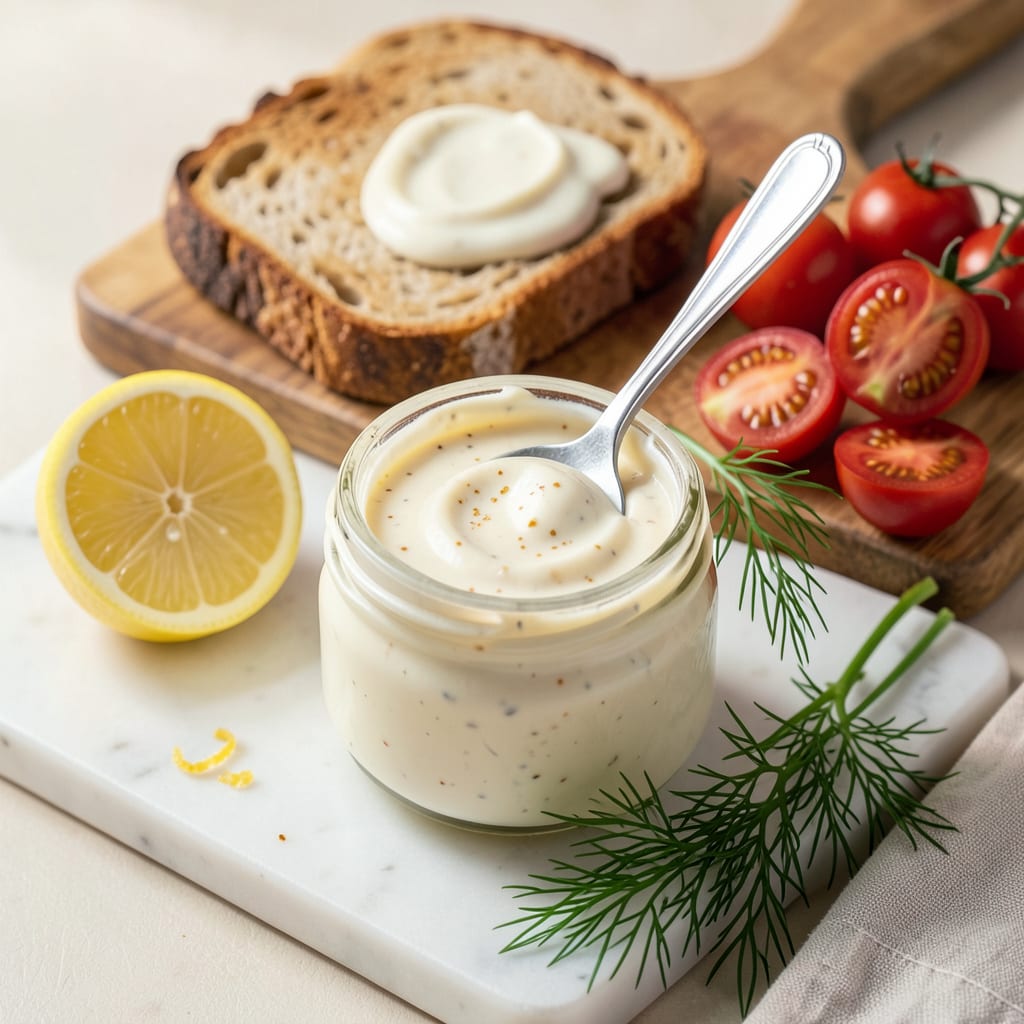
Unopened mayonnaise lasts 3-4 months past the printed date if refrigerated. Once opened, it stays fresh for about 2 months in the fridge. Homemade mayo should be used within 1 week for best quality and safety.
I’ve found that commercial mayo’s longevity comes from its pasteurized eggs and preservatives, which create a stable emulsion that resists bacterial growth. 🔥 The fridge environment slows down oxidation and microbial activity, but once opened, air exposure gradually degrades quality. Homemade versions lack preservatives, so their shorter lifespan reflects higher spoilage risks—especially in warm kitchens or when using raw eggs.
What many don’t realize is that mayo’s acidity (from vinegar or lemon juice) actually helps preserve it, but this protection weakens over time. ✨ I always recommend sniffing before using—sour or off smells mean it’s time to toss, even if it’s within the “safe” window. The texture tells a story too: separation or sliminess signals the emulsion has broken down.
💡 In This Article
- Factors That Affect Mayonnaise Shelf Life
- Proper Mayo Storage and Spoilage Signs
Factors That Affect Mayonnaise Shelf Life
The difference between commercial and homemade mayo comes down to processing and ingredients. Commercial brands use pasteurized eggs and additives like calcium disodium EDTA or potassium sorbate to inhibit bacterial growth. These preservatives create a stable environment where the oil-water emulsion resists separation for months.
Homemade versions skip these stabilizers, relying solely on acidity (vinegar/lemon) and refrigeration—which only buys about 7 days of safety. 🔥
Acidity levels play a crucial role in preservation. The vinegar or lemon juice in mayo creates a hostile environment for bacteria, with most commercial products maintaining a pH between 3.6-4.0. This acidity prevents microbial growth but weakens over time as the emulsion breaks down.
Temperature abuse accelerates this process—leaving mayo at room temperature for over 2 hours can cut its shelf life in half by allowing bacteria like Salmonella to multiply rapidly. ✨
Light exposure triggers oxidation, which degrades both flavor and safety. The oils in mayo contain unsaturated fats that react with oxygen, creating off-flavors and rancidity. That’s why commercial mayo comes in opaque containers—even refrigerator lights can cause gradual quality loss.
I’ve noticed that mayo stored in clear glass jars near the fridge door spoils 20-30% faster than identical mayo kept in the back, shielded from light. 💫
The emulsification process itself affects longevity. Properly emulsified mayo has tiny, uniformly distributed fat globules that resist separation. When this structure breaks (from temperature fluctuations or age), the mayo becomes watery—a sign that protective barriers against microbes are failing.
Store-bought mayo uses xanthan gum or modified starches to reinforce this structure, while homemade versions depend entirely on your whisking technique. ⚡
Oxygen exposure matters more than most realize. Every time you open the jar, you introduce fresh oxygen that reacts with the fats. This is why commercial mayo lasts 2 months after opening versus 4 months unopened—the seal protects against oxidation.
For homemade mayo, I recommend transferring to a smaller container each time to minimize air contact, which can extend freshness by 2-3 days. 🌟
Humidity in your fridge can also impact mayo’s lifespan. High moisture environments encourage mold growth on the surface. I’ve seen commercial mayo develop fuzzy spots after 3 months in humid fridges, while the same product stayed pristine for 4+ months in drier conditions. The solution?
Keep your fridge at 35-38°F with low humidity—use a small dehumidifier pack if needed. 💛
Here’s what surprises most people: the oil quality affects shelf life too. Mayo made with refined oils (like soybean or canola) lasts longer than versions with extra virgin olive oil, which contains more oxidation-prone compounds.
The smoking point matters—oils that oxidize at lower temperatures (like flaxseed oil) will make your mayo go rancid faster, even in the fridge. 💫

Trained in classic French technique but raised on slow-cooked ribs and spicy rubs, she blends culinary skill with smoke and soul.
- Recipe for Boneless Pork Chops in Cast Iron Skillet: Sear and Baste to Juicy Perfection - October 3, 2026
- Recipe for Boneless Cross Rib Roast: Slow-Roasted Beef with Herb Crust - October 3, 2026
- Hamburgers in Sauce Recipe Crock Pot: Slow-Cooked Savory Delight - October 3, 2026