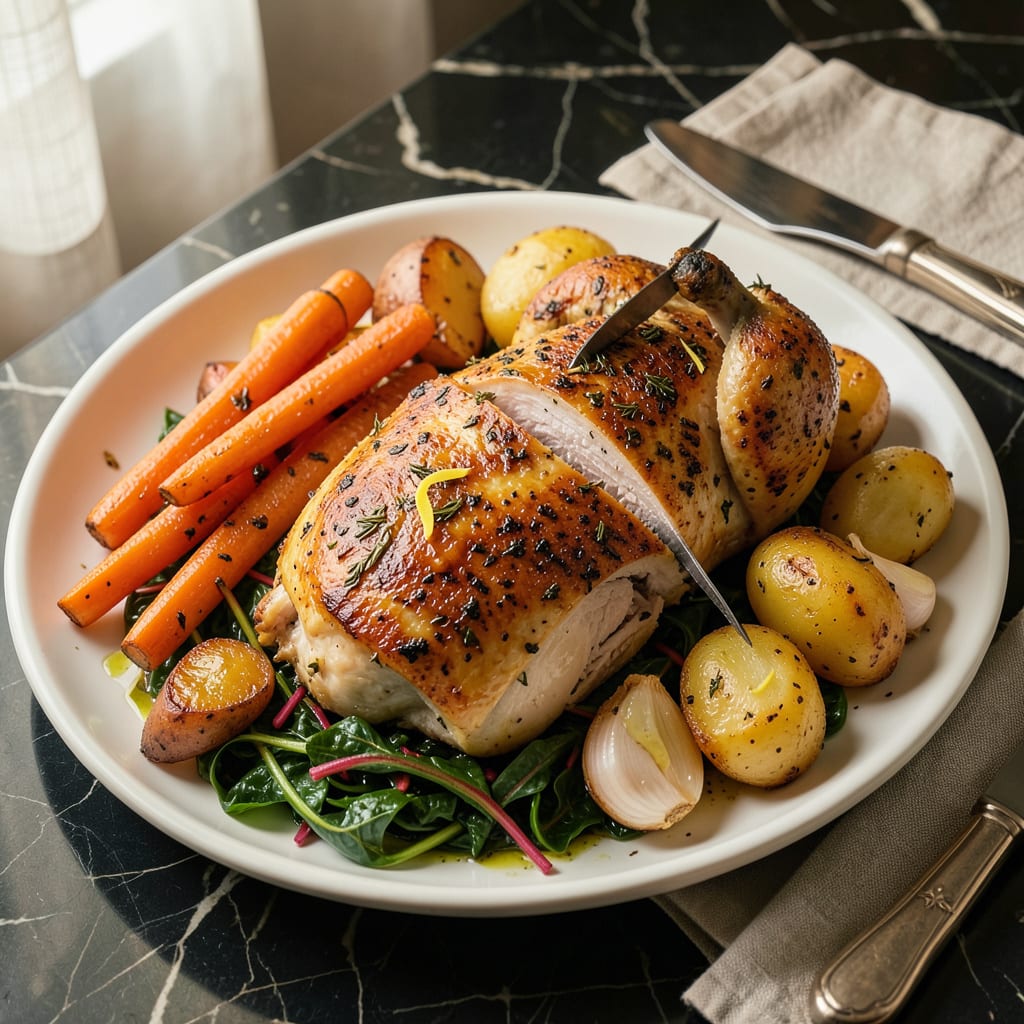
Cooking times vary by method and food type: eggs take 6-10 minutes to boil, chicken breasts need 20-30 minutes at 375°F, and pasta cooks in 8-12 minutes. Always check internal temperatures for safety and doneness.
I’ve spent years perfecting timing in both professional kitchens and backyard smoke pits, and here’s what I’ve learned: the difference between perfectly cooked and overdone often comes down to understanding your heat source. 🔥 A cast-iron skillet on high heat will sear a steak in 3-4 minutes per side, while the same cut might take 20 minutes in a slow smoker at 225°F. Even altitude plays tricks—water boils at lower temps in Denver, meaning your pasta might need an extra minute or two compared to sea-level cooking.
What most home cooks overlook is the carryover cooking effect—meat continues rising in temperature by 5-10°F after leaving the heat. ✨ That’s why I always pull proteins 5°F below their target temp and let them rest. And don’t trust the clock alone: a $10 instant-read thermometer gives you precision no timer can match for foods like poultry or pork.
💡 In This Article
- Factors That Determine Exact Cooking Times
- Quick Reference Guide for Common Cooking Times
Factors That Determine Exact Cooking Times
What’s really happening when you cook is a complex dance between heat transfer and molecular transformation. The intensity of your heat source makes all the difference—a 500°F grill will char a burger patty in 4-5 minutes, while the same patty might take 10-12 minutes in a 350°F oven.
This is because higher temperatures accelerate the Maillard reaction (that delicious browning process) and protein denaturation, which is why steaks develop that perfect crust so quickly on a screaming-hot cast iron skillet. 🔥
The density and composition of your food play huge roles too. A 1-inch thick pork chop cooks through in about 8-10 minutes at 400°F, while a dense 3-inch thick pork roast might need 2-3 hours at the same temperature.
Water content matters—vegetables like zucchini (95% water) cook faster than starchy potatoes because their cell walls break down more easily. Even the starting temperature affects timing: room-temperature meat cooks 20-30% faster than fridge-cold cuts because less energy is spent raising the internal temperature. ⚡
Altitude throws another curveball. At 5,000 feet elevation, water boils at just 203°F instead of 212°F, which means your pasta might need an extra 1-2 minutes to reach al dente perfection.
The same goes for baked goods—cakes and breads often require temperature adjustments (25°F higher) and extended baking times (10-15% longer) at high altitudes because the lower atmospheric pressure affects how heat transfers through the food. ✨
Your cooking method fundamentally changes the game. Convection ovens circulate hot air for 25% faster cooking than conventional ovens. Pressure cookers can reduce braising times from 3 hours to just 45 minutes by raising the boiling point of water. And here’s a pro tip: the surface area-to-volume ratio is everything.
A whole chicken takes 1.5 hours to roast, but those same pieces cut into 8 parts will cook in about 40 minutes because more surface area exposes to direct heat. 💫
Don’t forget about carryover cooking—that critical period when food continues cooking after leaving the heat source. A 150°F steak pulled from the grill will typically rise another 5-10°F while resting, which is why I always remove proteins 5°F below their target temperature. This principle applies to everything from roasts to baked potatoes.
The denser the food, the more dramatic the carryover effect—large cuts of meat can continue cooking for 15-20 minutes after leaving the oven. 🌟
Even your cookware makes a difference. Copper pans conduct heat 5 times faster than stainless steel, meaning your sauce might reduce in half the time. Cast iron retains heat beautifully for even cooking, while thin aluminum can create hot spots that burn food in seconds.
I’ve found that using a heavy-bottomed pan for delicate sauces prevents scorching by distributing heat more evenly across the surface. 💛
The humidity in your cooking environment affects timing too. In humid climates, baked goods might need 5-10 minutes longer because moisture in the air slows evaporation. Conversely, dry winter air can make cookies spread faster and brown more quickly.
This is why professional bakers often adjust their recipes seasonally—what works in July might need tweaking by December. 💫

Trained in classic French technique but raised on slow-cooked ribs and spicy rubs, she blends culinary skill with smoke and soul.
- Recipe for Boneless Pork Chops in Cast Iron Skillet: Sear and Baste to Juicy Perfection - October 3, 2026
- Recipe for Boneless Cross Rib Roast: Slow-Roasted Beef with Herb Crust - October 3, 2026
- Hamburgers in Sauce Recipe Crock Pot: Slow-Cooked Savory Delight - October 3, 2026